Lawsuit alleges Walmart, PepsiCo kept rivals' soda prices high
A class-action complaint says PepsiCo and Walmart conspired to keep beverage prices high, affecting competition and potentially pricing and promotions for store employees and shoppers.
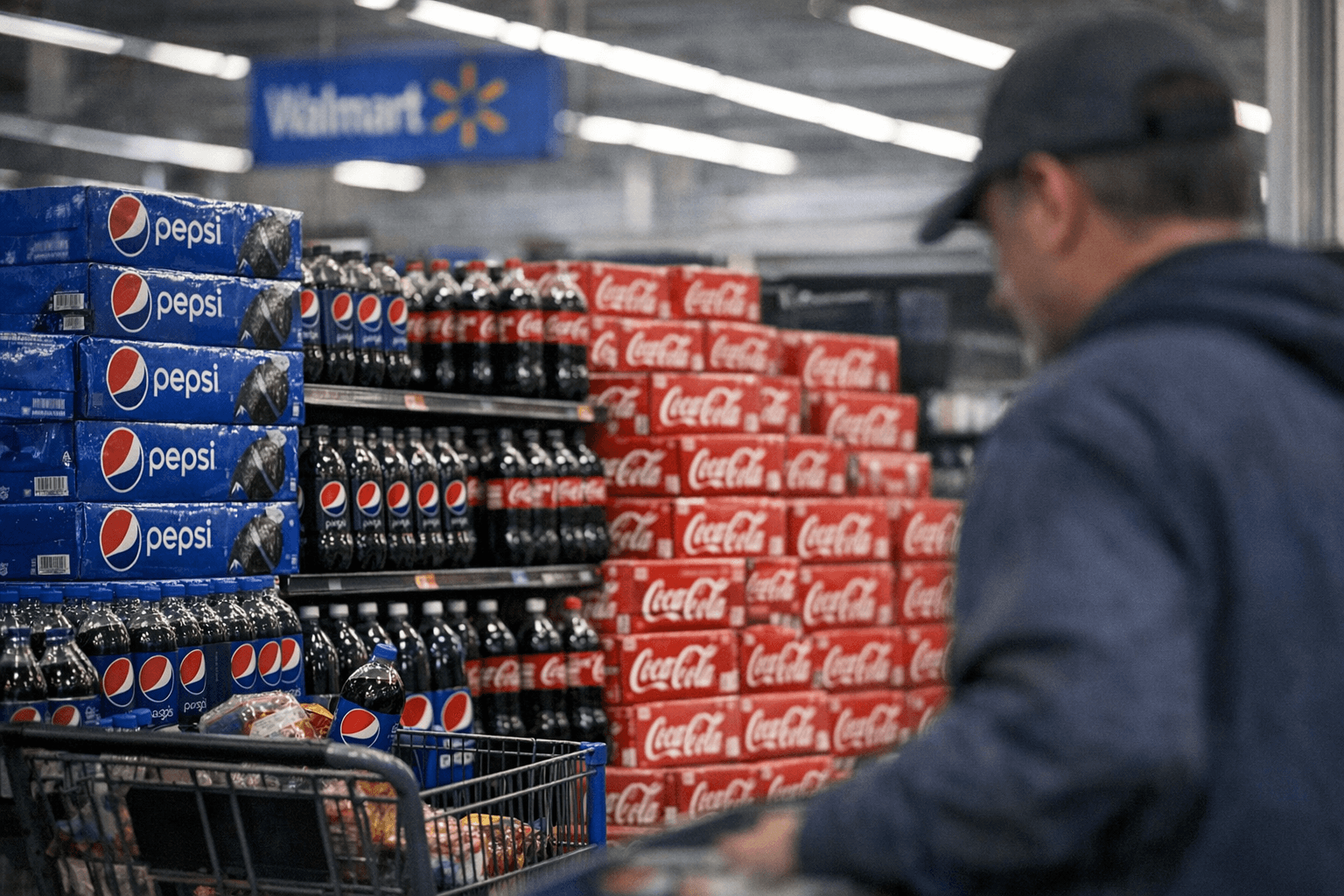
A proposed class-action complaint filed Dec. 15, 2025 in the Southern District of New York accuses PepsiCo and Walmart of a long-running scheme that allegedly gave Walmart preferential wholesale pricing, promotional payments and data-sharing that allowed PepsiCo to keep prices higher at competing retailers. The plaintiffs say the conduct began as early as 2015 and covered a wide range of PepsiCo-branded drinks including Pepsi, Mountain Dew, Gatorade, Aquafina, Bubly and Lipton.
The suit seeks nationwide and state subclass certification, treble damages, injunctive relief and a jury trial, bringing claims under the Sherman Antitrust Act and various state statutes. At issue are arrangements plaintiffs say routed better wholesale rates and promotional support to Walmart while using sales and inventory data to police competing retailers’ discounts and promotions, reducing the incentive for PepsiCo to compete on price outside Walmart.
If the allegations proceed, the legal case could have multiple implications for Walmart workers. Frontline associates could see changes to promotional calendars, price signage protocols and how store-level discounts are approved. Store managers and category teams in grocery and beverages may face increased oversight as procurement and merchandising leaders respond to litigation risk and potential remedies, which could include changes to vendor agreements or the way promotional allowances are structured.
For supply chain and procurement employees, the complaint raises the prospect of more conservative contract terms, heightened legal review of supplier incentives and tighter controls on data-sharing practices with vendors. Those shifts could alter how vendor-funded promotions are executed in stores and may ripple into staffing needs during promotional cycles if allowances or co-op funding change.
Consumers and competing retailers are central to the plaintiffs’ alleged harm: the complaint contends that suppressed competition kept shelf prices higher at non-Walmart chains. Remedies sought by the plaintiffs include monetary damages and court orders to change business practices; if granted, those outcomes could reshape pricing strategies and promotional behavior across retail beverage categories.
Both companies were contacted for comment. The complaint, by naming specific brands and asserting an industrywide pattern beginning in 2015, frames the dispute as more than a single contract dispute—it targets long-standing commercial practices that touch merchandising, pricing and data sharing.
The takeaway? If you work in store operations, merchandising or procurement, expect scrutiny and possible changes to how promotions and vendor data are handled. Our two cents? Keep records of directives on pricing and promotions, and stay alert for new training or policy updates from management so you’re ready if store procedures shift.
Sources:
Know something we missed? Have a correction or additional information?
Submit a Tip