Legislative property-tax plans could hit Monroe County services
Florida's legislative session opened with competing property-tax proposals that could cut local revenue and affect services in Monroe County.
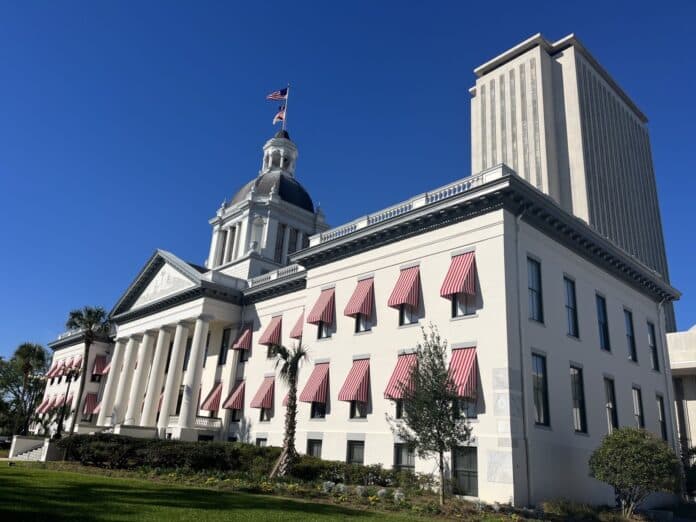
As the Florida Legislature opened its session Jan. 13, lawmakers arrived with competing proposals for broad property-tax relief that could reshape how Monroe County funds day-to-day services and emergency response. Central to the debate are House resolutions that would eliminate or phase out nonschool property taxes on homesteads — a category that pays for much of local government operations outside school districts.
State lawmakers from the Keys have introduced related measures aimed at protecting affordable-housing incentives and capping insurance rate increases, signaling an awareness of local priorities even as larger tax changes are debated. Those proposals could preserve certain incentives used to encourage developers to build workforce housing and seek to blunt rising homeowner insurance costs that have hit coastal communities hard.
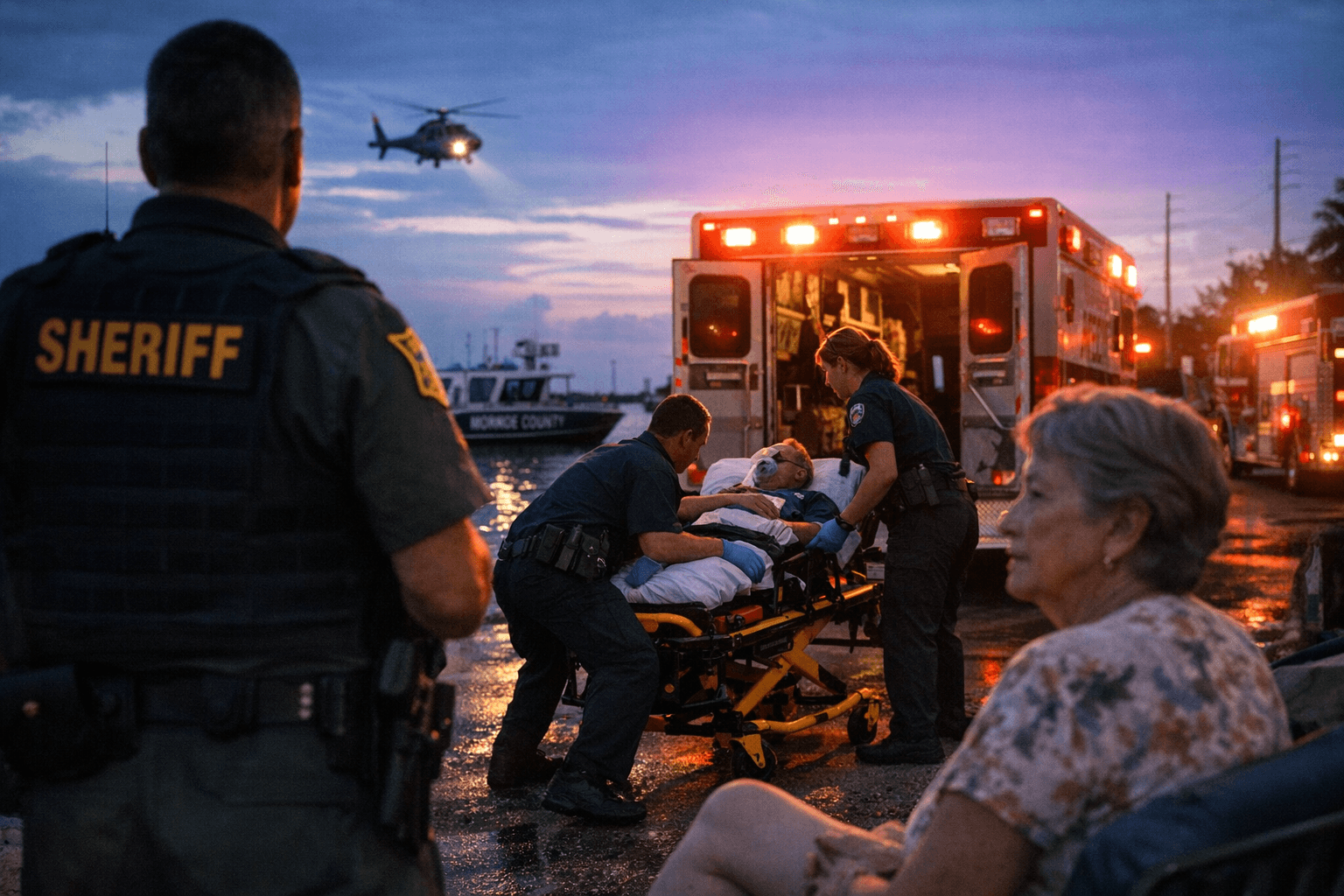
Municipal leaders and public-safety organizations across the county have voiced concern about the scale and speed of any tax shifts. Local governments rely on nonschool property-tax revenue to sustain police and fire departments, emergency medical services, storm-prep and recovery efforts, solid waste collection, road maintenance and other basics that keep islands connected and safe. Officials warn that deep, immediate reductions in this revenue stream would force difficult choices about service levels, staffing and the county's ability to respond to frequent coastal storms.
For Monroe County residents, the stakes are concrete: lower property taxes for homesteads could ease monthly costs for some homeowners but also reduce the funds available for local programs many residents depend on. Affordable-housing incentives that help preserve workforce housing in the Keys could be saved by local lawmakers' proposals, but broader elimination of nonschool taxes would still shrink the tax base that underwrites those and other programs. Caps on insurance rate increases, if enacted, could relieve household budgets but would interact with the broader insurance market pressures that affect premiums and availability in high-risk coastal areas.
The debate also sits at the intersection of local resilience and larger market forces. Monroe County's needs for hurricane preparedness, coastal infrastructure and emergency response tie into regional and national insurance and reinsurance markets; policy changes in Tallahassee will reverberate into those longer chains of finance and risk management that affect property owners here.
Monroe County officials will be watching committee votes and bill language closely in the coming weeks as the session unfolds. Budget planners will need contingency scenarios for potential revenue losses, and residents can expect discussions about millage rates, fee adjustments and prioritization of essential services.
The takeaway? Pay attention to county commission and budget meetings this spring, ask your state representatives how proposed bills would affect local services, and be ready to weigh lower taxes against possible reductions in services you rely on during hurricane season and everyday life. Our two cents? Stay engaged now so the Keys' voice is heard where these decisions get made.
Sources:
Know something we missed? Have a correction or additional information?
Submit a Tip