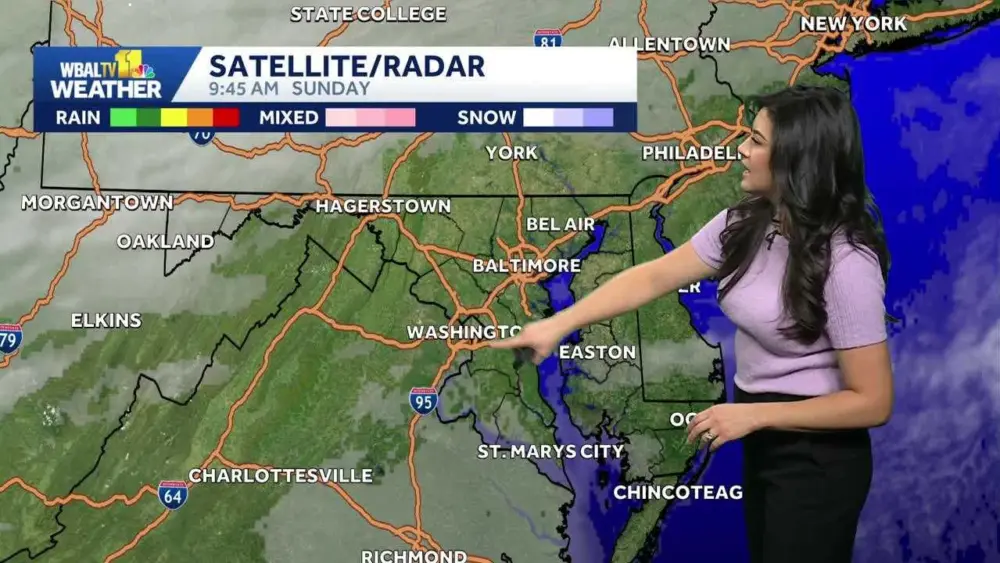
Light snow and cold air disrupted Baltimore morning commute
On December 5 meteorologists forecast light flurries across Baltimore with a colder airmass bringing daytime highs in the 30s and 40s and very cold overnight lows, producing morning impacts for drivers and pedestrians. Accumulations were expected to be light, but untreated surfaces could become slippery, prompting travel cautions and guidance for residents to adjust outdoor plans.
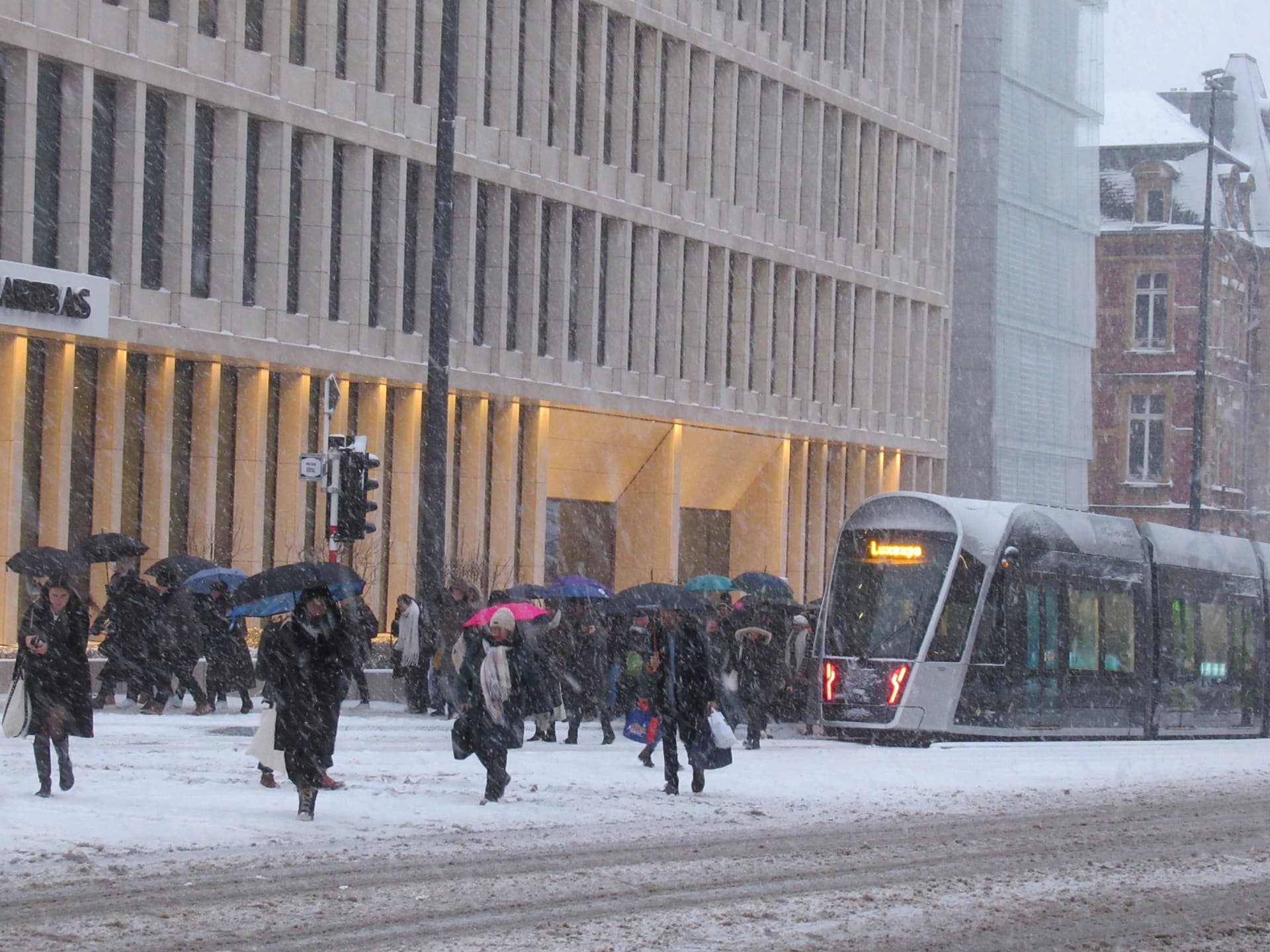
Meteorologists issued a forecast ahead of December 5 calling for light flurries across the Baltimore area as a colder airmass moved into the region. The forecast predicted daytime highs in the 30s and 40s followed by very cold overnight lows, and it singled out the morning hours as the most likely window for impacts. While total snowfall accumulations were described as light, forecasters warned that untreated roadways, sidewalks, and stairs could become slippery and hazardous.
The timing and temperature profile increased the risk for morning commuters, especially on untreated surfaces where light snow can compact and freeze into slick patches. Motorists encountered reduced traction on bridges, ramps, and untreated side streets that had not been cleared, and pedestrians faced icy patches at transit stops and along walkways. The forecast guidance emphasized that drivers should exercise caution and that residents adjust travel and outdoor plans to account for slick conditions.
Local institutions charged with winter response typically monitor such systems and deploy pavement treatment and street clearing assets as conditions warrant. From a policy perspective the event highlights the importance of timely communication from city agencies about street treatment plans and transit service changes, along with targeted outreach to populations that face greater exposure during cold snaps. Very cold overnight temperatures following the flurries increase the likelihood of freezing on untreated surfaces, extending the period of risk into the overnight hours.
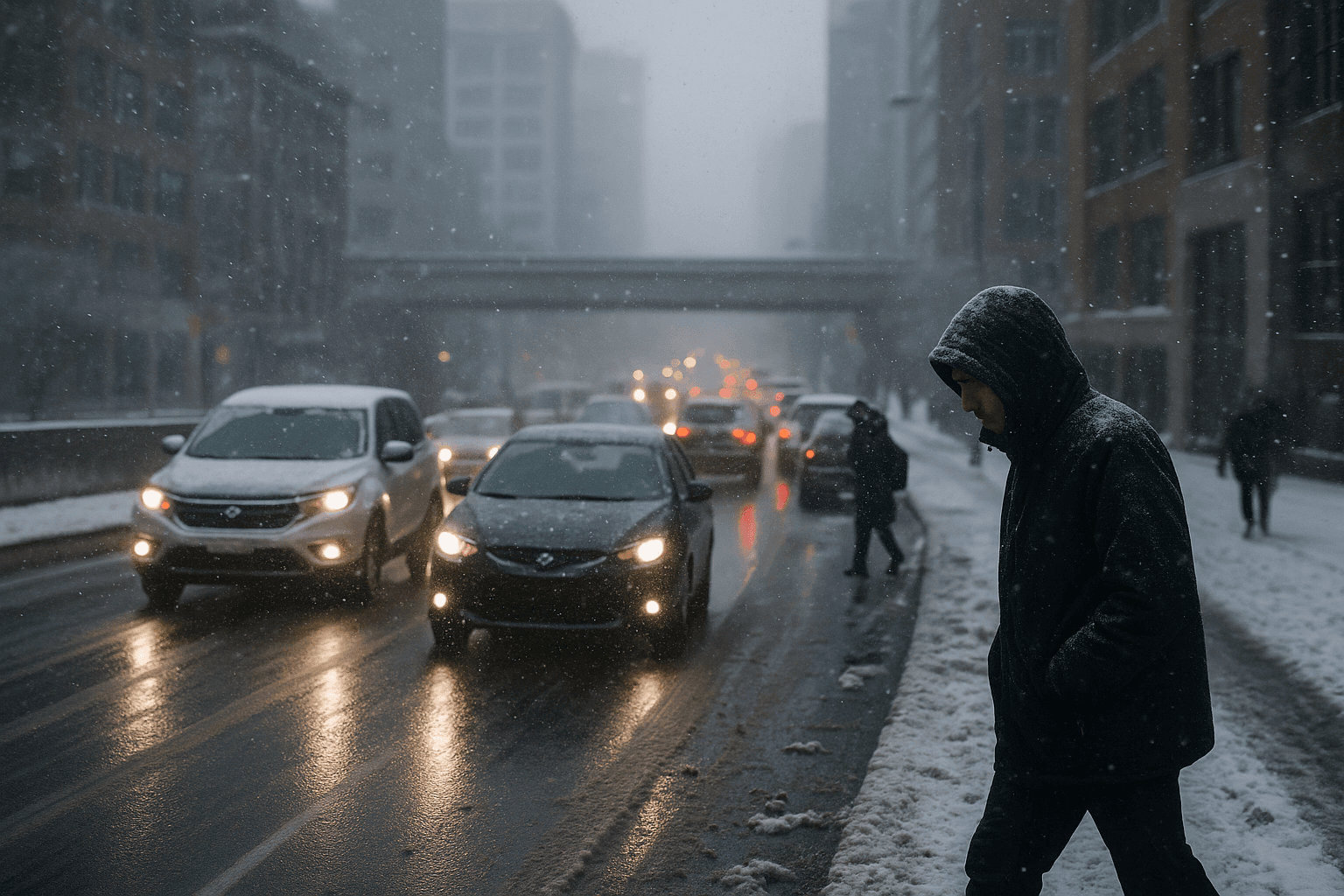
For residents the practical implications were clear. Allow extra travel time, exercise caution on sidewalks and stairs, and check transit service updates before heading out. Civic accountability also matters. Transparent reporting on where and when streets are treated and how agencies prioritize routes would help Baltimoreans weigh personal travel decisions and understand municipal response frameworks.
The light nature of the precipitation limited widespread disruption, but the combination of cold air and slippery untreated surfaces underscored a recurring winter governance challenge for Baltimore, namely aligning operational readiness with timely public information to reduce avoidable harm.