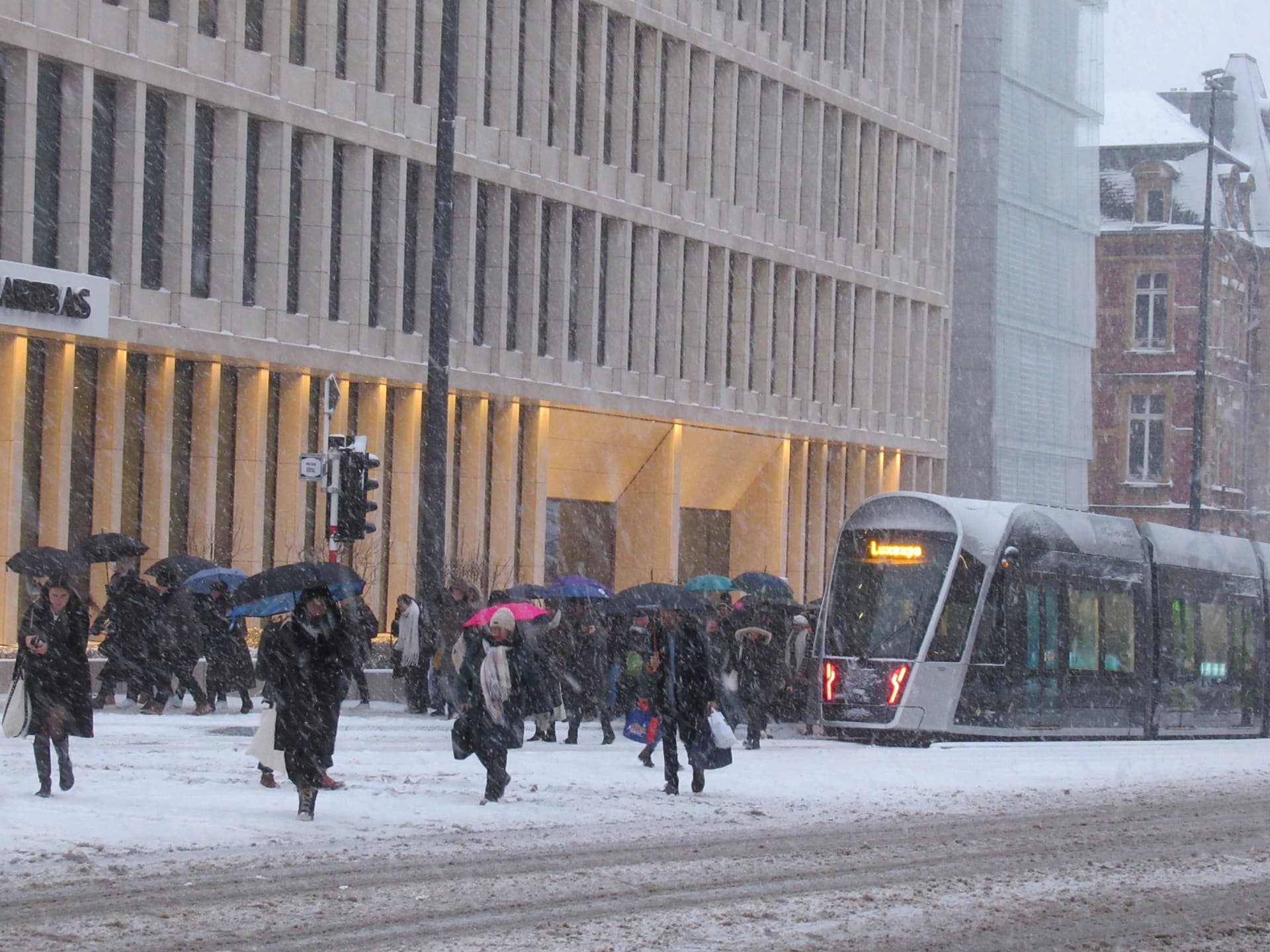
Winter Advisory Brought Early Morning Slick Conditions To Baltimore
A wintry system on December 1 delivered a mix of snow, sleet and freezing drizzle across the Baltimore metropolitan area, prompting a winter weather advisory and early morning travel hazards. The timing and light accumulations in northern and inland neighborhoods affected commutes, prompted school delays and highlighted gaps in emergency planning that matter for residents and city services.
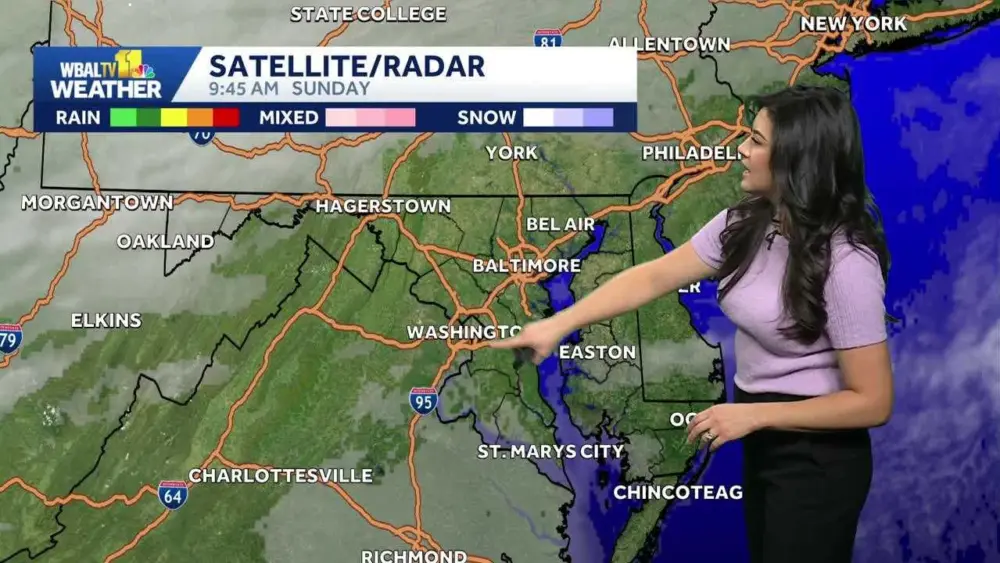
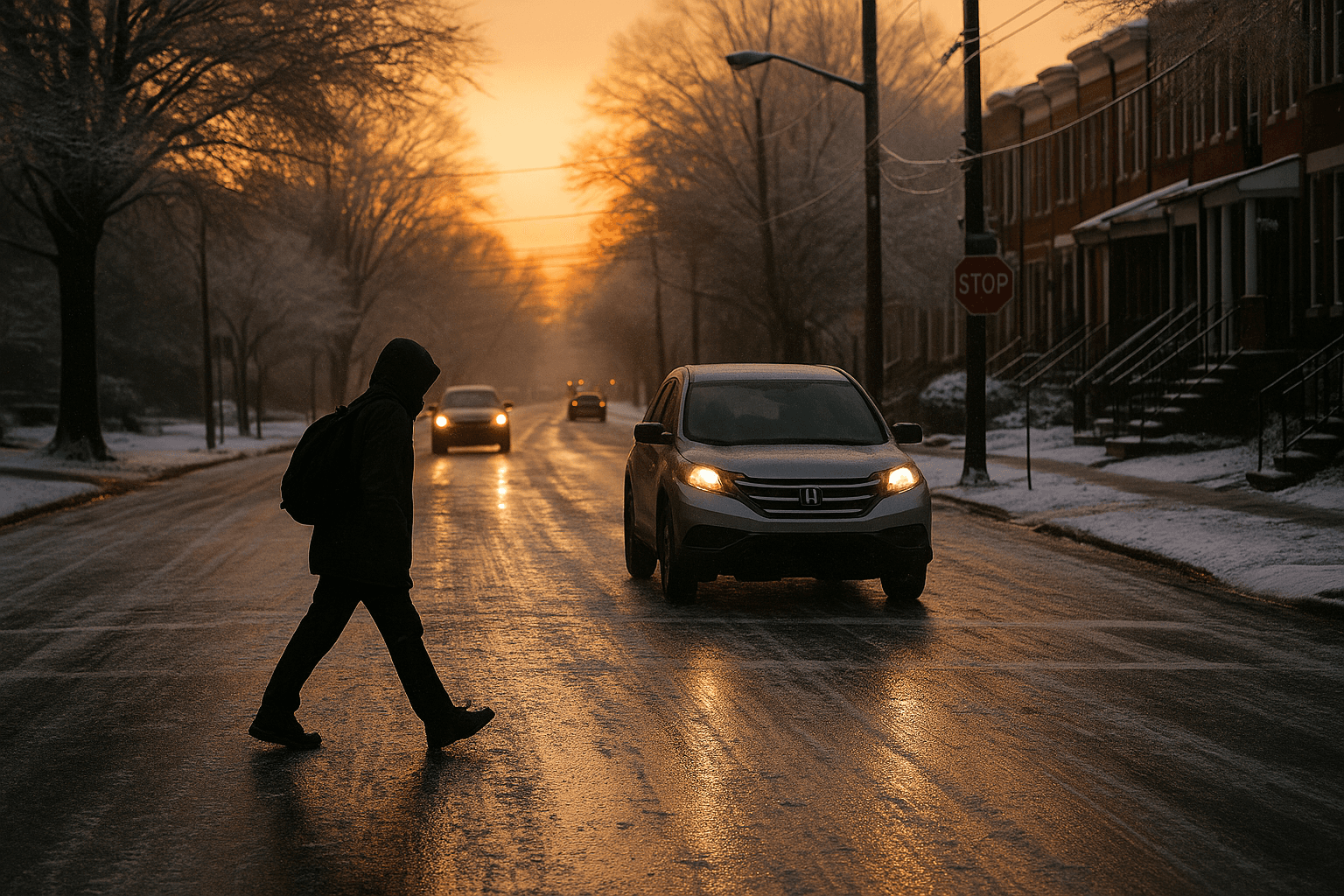
A winter weather advisory issued for parts of the Baltimore region on December 1 coincided with an early morning period of snow, sleet and freezing drizzle that left roads slippery and travel conditions hazardous. Forecasters concentrated the advisory on the predawn and morning hours when surface temperatures and precipitation combined to produce slick pavement and limited visibility. Light accumulations were reported mainly in northern and inland parts of the metropolitan area rather than along the immediate waterfront.
Local school districts and transportation agencies responded with announcements about possible delays or closures, and city and county departments posted information about school closings and road conditions. The coordination between schools and transportation officials reduced some confusion for families, but the episode exposed persistent challenges for timely communication during morning rush hours when many residents commute or rely on public transit.
The weather event had immediate, practical consequences for downtown commuters, school children and city services. Bus routes experienced slower trips and some agencies reduced operations early in the day to allow crews to treat arterials and bridges. For workers who depend on early shifts or essential services, limited transit options and slippery sidewalks increased barriers to on time arrival. For parents and caregivers, last minute changes to school schedules shifted childcare burdens onto households and local employers.
Beyond the single storm, this advisory raises policy questions about winter readiness and equity. Decisions about when to announce delays or closures carry disparate impacts across neighborhoods, and the concentration of accumulations in northern and inland communities highlighted the need to align road treatment priorities with where residents face the greatest risk. Clearer advance guidance and sustained investment in deicing capacity could reduce disruptions and improve safety on days when marginal precipitation threatens travel.
City officials and school administrators will face pressure to review their notification protocols and coordination with state and county transportation agencies before the next system arrives. For Baltimoreans, the episode was a reminder that even light winter precipitation can ripple through daily life and strain municipal systems that must serve a diverse urban population.