Lindsey Vonn, 41, Sets World Cup Record With St. Moritz Victory
Lindsey Vonn stunned the skiing world by winning the season opening downhill in St. Moritz at age 41, then followed with a second place the next day, underscoring a comeback that reverberates beyond sport. Her performances raise questions about longevity, athlete health and the commercial value of veteran stars as the Olympic year approaches.

Lindsey Vonn delivered a dramatic return to elite alpine competition in St. Moritz, winning the season opening World Cup downhill on December 12 and finishing a close second on December 13. Vonn stopped the clock in 1 minute 29.63 seconds in Friday’s race, winning by 0.98 seconds over Austria’s Magdalena Egger, a margin described by official timing as nearly a full second. The result was announced by the sport’s governing bodies and marked several milestones for Vonn’s career.
The victory was Vonn’s 83rd career FIS Alpine World Cup win and her 44th in downhill. It was her first World Cup triumph since March 2018 in Åre, Sweden. Official start records from FIS and SkiRacing show that the win came on her 409th World Cup start, and those bodies identified her as the oldest race winner in World Cup history for men and women. The result also extended a personal affinity with St. Moritz, where she claimed a fifth World Cup downhill victory at the Corviglia venue.
Vonn framed the moment with measured perspective after Friday’s run, saying that the win meant a great deal and that the work over the summer had paid off. The broader narrative of her comeback is striking. She returned to World Cup racing last season after nearly six years away following major knee surgery that included the insertion of two titanium pieces. In prior comments she said she never thought she would again be talking about the Olympics and that just discussing a trip to Italy made her feel she was already winning. Her St. Moritz success now places her squarely in the conversation about selection for the Milan Cortina Olympics.
Saturday’s race offered a counterpoint to the triumph. Germany’s Emma Aicher won by 0.24 seconds, with Vonn taking second after an aggressive early run that was undone by a mid course error on a jump and a difficult bottom section. Vonn described the mistake and her fatigue, saying she fell on her hip, did not ski the bottom the way she wanted and that she was a little bit tired from yesterday because there was a lot of emotion.
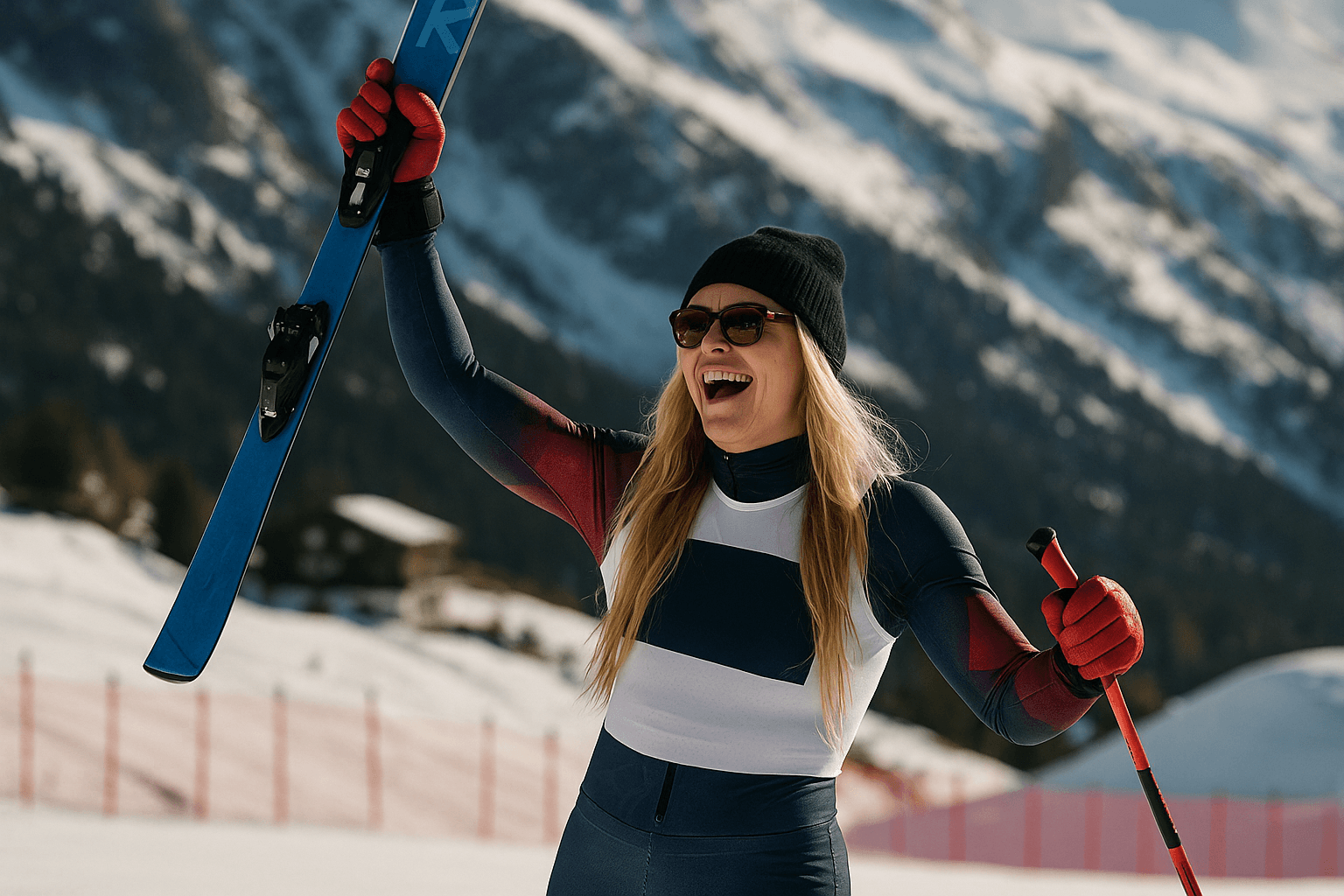
The two day sequence serves as both sporting milestone and cultural moment. From a performance perspective, Vonn’s speed and line choice remain formidable, but the Saturday wobble highlighted the razor thin margins that separate victory from defeat at the highest level. From an industry viewpoint, her return and headline making results are likely to draw attention from broadcasters and sponsors in an Olympic season, elevating commercial interest in women’s alpine racing and in narratives that sell to broader audiences.
Socially, Vonn’s achievement challenges assumptions about age in elite sport and adds to a conversation about long term athlete care. Her career underscores advances in surgical techniques and rehabilitation that allow veteran competitors to return, while also prompting debate about the physical toll of such comebacks. With eight more downhill races before the World Cup Finals, St. Moritz signaled that Vonn is once again a central figure in a season that promises to test endurance, governance and the marketplace for winter sport personalities.
Know something we missed? Have a correction or additional information?
Submit a Tip