Little proposes 2027 budget plan that preserves Medicaid expansion
Gov. Brad Little proposed a 2027 budget to balance Idaho's books without repealing Medicaid expansion. Local providers and residents who depend on Medicaid could see program changes and tighter funding.
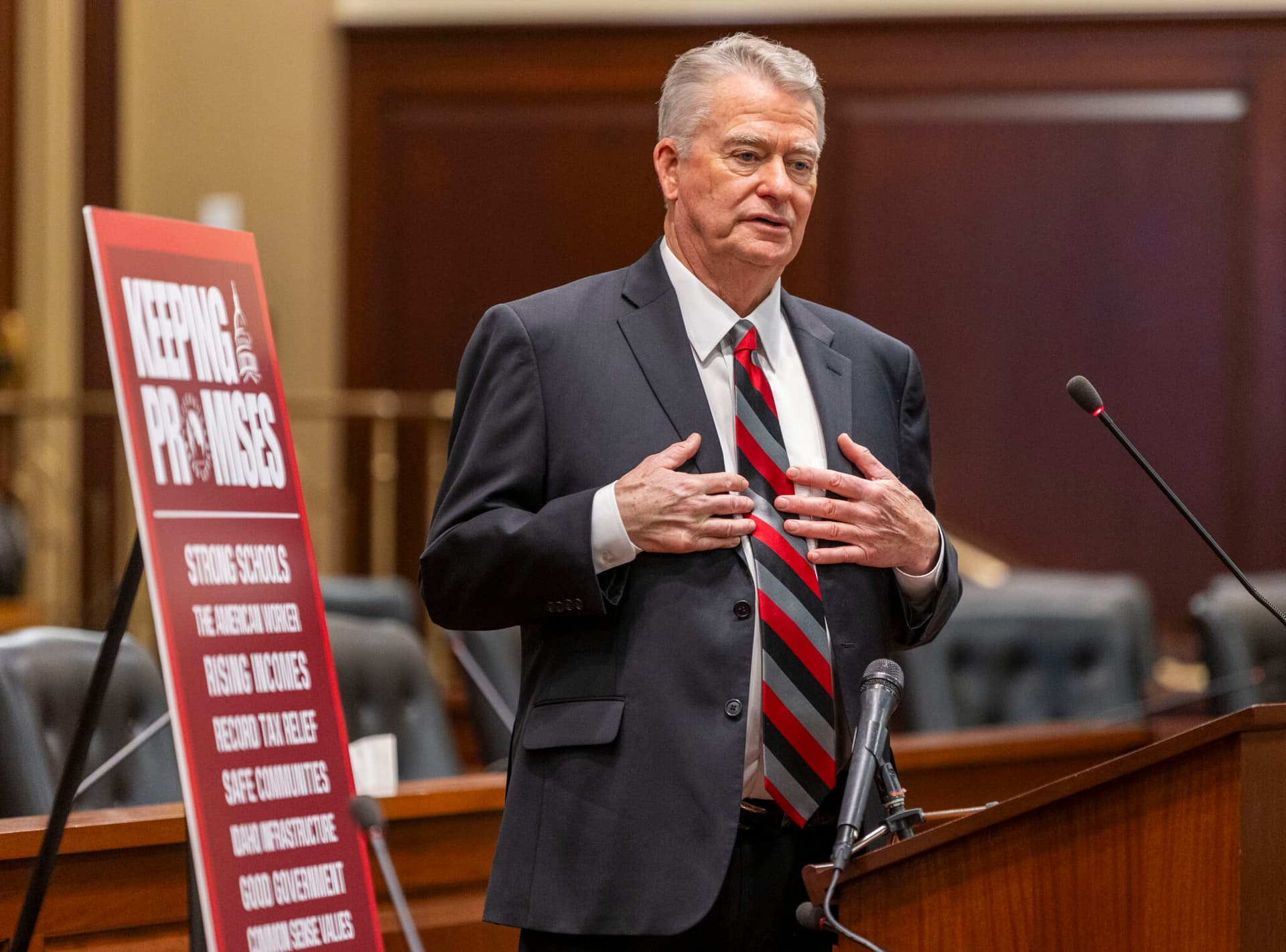
Gov. Brad Little delivered his State of the State and submitted 2027 budget recommendations on Jan. 12 that aim to close the state’s budget gap while keeping Medicaid expansion intact for roughly 85,000 Idahoans. Rather than pursuing repeal, the governor’s proposal relies on program cuts, policy changes to slow Medicaid spending, and a mixture of one-time and ongoing reductions to achieve fiscal balance.
The proposal arrives as the Legislature convenes, setting up a debate between fiscal restraint and protecting coverage that touches Kootenai County families and local health providers. State-level reductions and policy tweaks will ripple to counties through changes in how state funds flow to clinics, hospitals and social services. For Kootenai residents who use Medicaid or rely on state-supported community programs, the choices lawmakers make this session will affect access, wait times and local provider budgets.
Little’s plan frames savings as a combination of near-term adjustments and structural changes intended to reduce future Medicaid growth without reversing the expansion that added coverage for tens of thousands of Idahoans. It also includes recommended trims or holds on funding for various state programs to reallocate dollars toward priority services. Where possible, the administration pairs one-time cuts with longer-term spending controls to avoid sudden shocks to essential services.
Lawmakers will review the governor’s recommendations, weigh competing priorities and craft budget bills that could alter the mix of one-time versus ongoing reductions. For Kootenai County officials and service providers, the upcoming legislative choices will determine whether local budgets face temporary adjustments or more lasting constraints. Agencies that depend on state contracts or supplement Medicaid payments should prepare for negotiations and possible rate or eligibility changes.

Beyond budget arithmetic, the decision to preserve expansion while pursuing cost controls navigates a fraught political landscape. It keeps coverage for the expanded population in place, which matters to many working families, seniors with low incomes and people transitioning between jobs. At the same time, it signals a willingness from the governor’s office to curb spending growth through policy rather than outright repeal.
The takeaway? Expect a session of give-and-take where state savings measures are on the table but broad coverage remains. Our two cents? If you or someone in your household depends on Medicaid, check in with local clinics and county health offices now to understand potential administrative changes and to stay ahead of any shifts in provider networks or service authorizations.
Sources:
Know something we missed? Have a correction or additional information?
Submit a Tip