Local columnist urges Hernando County residents to revive in-person coffee meetups
Carrie Classon encouraged neighbors to prioritize face-to-face connections and build a habit of meeting for coffee, a practice that can boost community ties and local businesses.
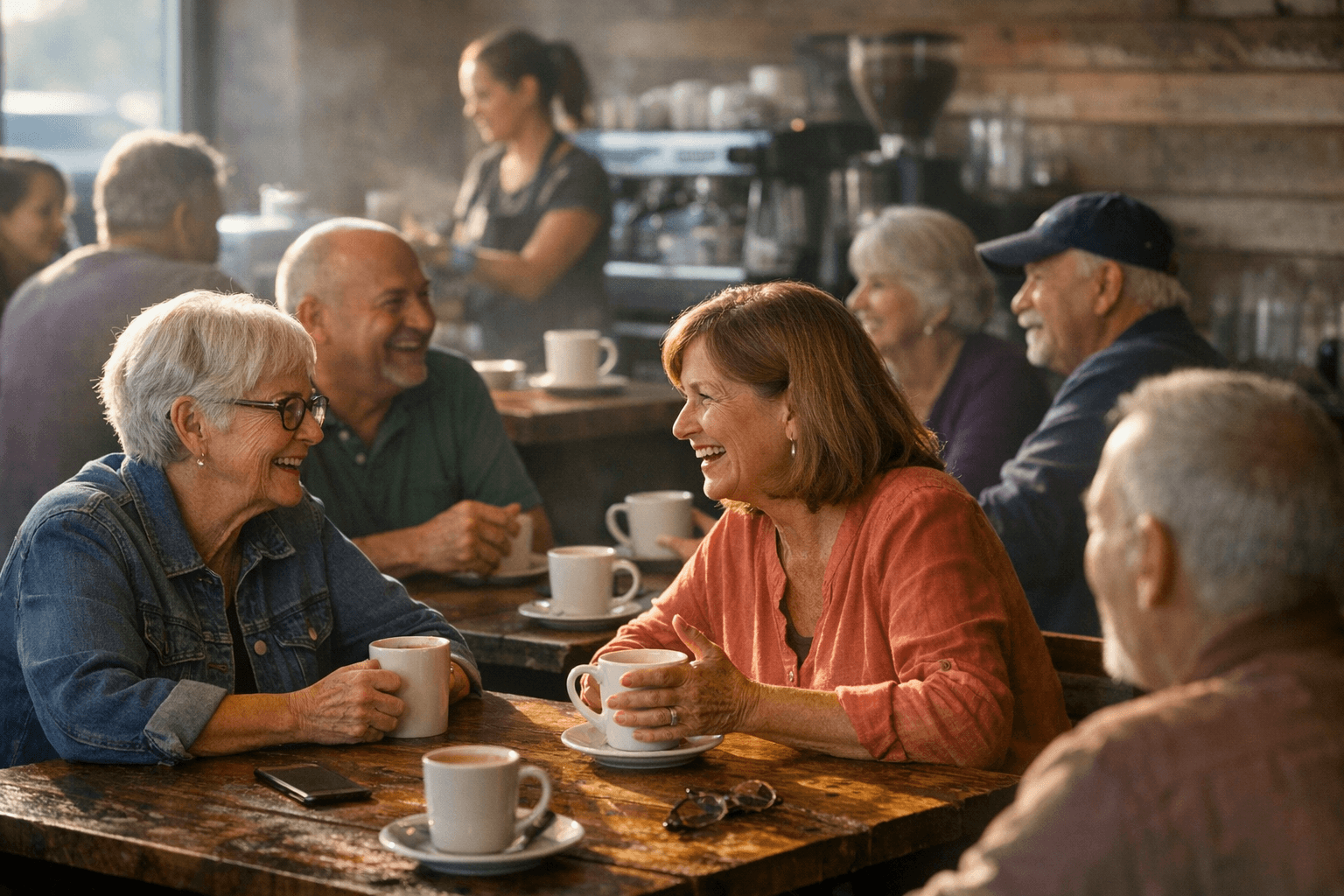
Local columnist Carrie Classon prompted Hernando County residents to rethink how they connect, encouraging deliberate, in-person meetings over screen time in an essay that ran Jan. 12. Classon described asking a neighbor to meet for coffee, reflected on the strain of maintaining friendships, and decided to make coffee meetups a daily habit to strengthen local ties.
The column centers on a simple behavioral insight: habit formation takes time. Classon cites research that forming a new habit commonly takes about 66 days, and she resolved to use that timeframe to make meeting people for coffee a routine. For Hernando County, where small cafes and Main Street storefronts still anchor neighborhoods, that personal decision has practical implications beyond intimacy and morale.
Regular face-to-face socializing has measurable economic effects at the local level. A modest example: a $4 coffee, bought three times a week, amounts to roughly $12 per week and about $624 per year per person. Multiplied across the county, a shift from occasional to regular patronage could mean steadier weekday foot traffic for independent shops, more predictable sales for baristas and roasters, and incremental support for service workers whose hours often depend on routine customers.
Social benefits are equally tangible. Community economists point to social capital as a resilience factor during hard times; neighbors who know each other are more likely to exchange information, volunteer, and support local initiatives. For older residents and people transitioning into new neighborhoods, an intentional habit of meeting for coffee can reduce social isolation and improve mental well-being. Classon's essay frames these meetings not as chores but as community investments that pay returns in trust and mutual aid.
Policy and civic groups in Hernando County can amplify that dynamic by promoting third places and making downtowns more welcoming. Simple actions such as allocating sidewalk seating, easing parking during morning hours, or organizing neighborhood coffee hours at libraries and community centers lower the friction for people trying to reach that 66-day threshold. Local chambers and nonprofit volunteer coordinators can also promote regular meetups as a public-good strategy to knit neighborhoods together.
Classon's piece is personal, but its implications are public. Small, deliberate choices about how we spend our time can ripple through the local economy and social fabric. The takeaway? Start small and be consistent: invite a neighbor, pencil a weekly coffee on your calendar, and give it two months. Our two cents? Treat that first cup as an investment in community — and in a county where relationships matter, that investment is likely to compound.
Sources:
Know something we missed? Have a correction or additional information?
Submit a Tip