Local Primer Explains Generative AI, Residents Urged to Learn Risks
A short, accessible primer on generative artificial intelligence and large language models was released December 11, 2025, offering an interactive explanation of how these systems work and where they go wrong. The effort matters because understanding model limits, data sources, and common errors helps Los Alamos County residents evaluate information, hold institutions accountable, and protect civic processes.
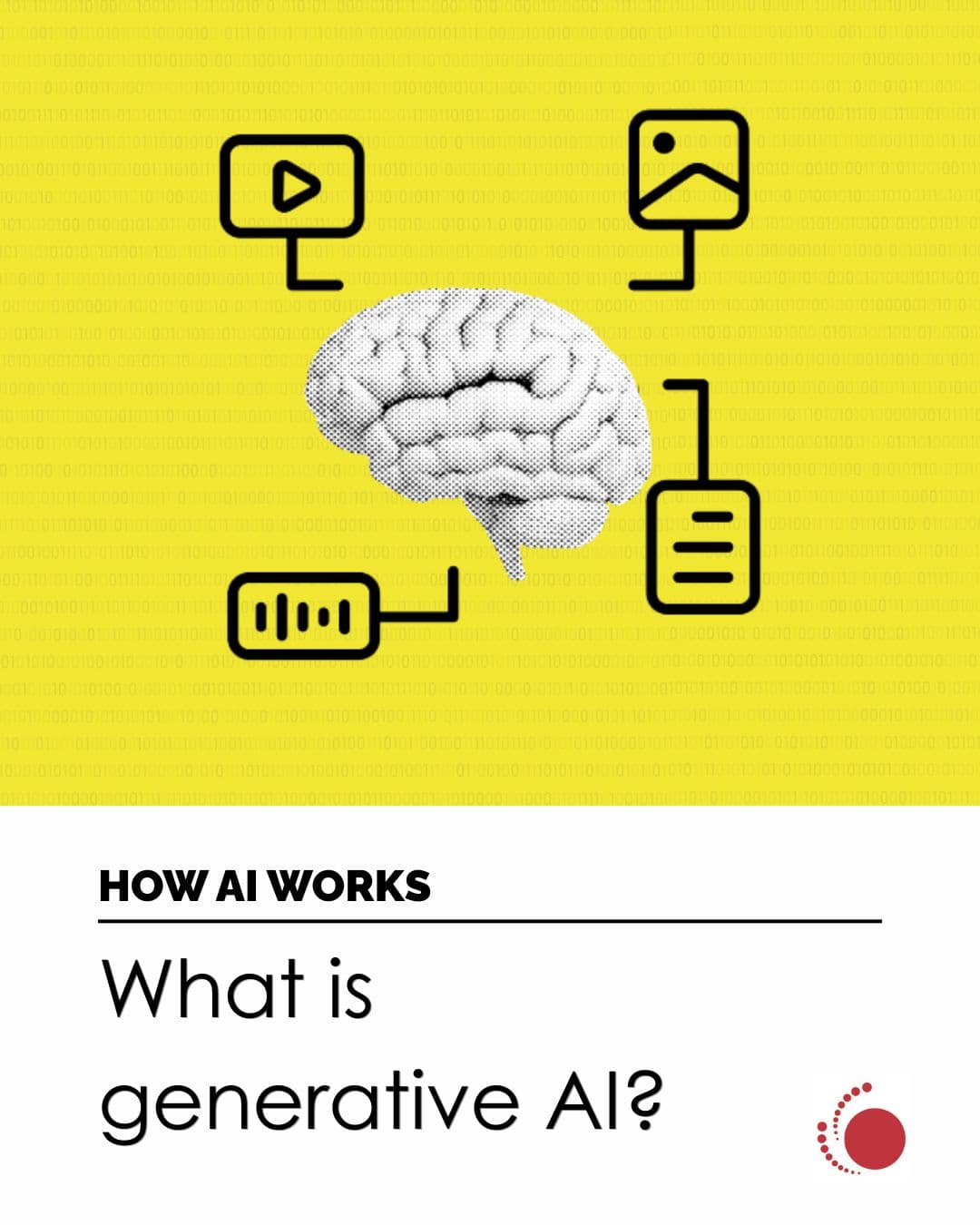
On December 11, 2025 a concise, locally oriented primer on generative artificial intelligence and large language models was made available to the community. The resource is organized as an interactive set of cards that outlines how these models acquire information, why they can produce confident but incorrect answers known as hallucinations, and why the provenance of data matters for reliability. The package also includes practical guidance for readers and a short survey inviting feedback on whether the content increased understanding.
The primer places technical concepts in plain language, emphasizing three core points. First, models draw on broad datasets rather than live verified facts, which can lead to outdated or incorrect outputs. Second, errors are not random, they follow patterns tied to gaps, biases, or poor quality in source data. Third, understanding those sources is central to judging whether an AI generated statement should inform decisions or be independently verified.
For Los Alamos County residents the implications extend beyond technology literacy. Local government communications, school curricula, public safety messages, and election information increasingly intersect with AI produced content. Residents who can recognize the limits of generative systems are better positioned to question official looking materials, request source documentation, and seek verification from trusted institutions. Civic processes depend on accurate information, and community comprehension can reduce the spread of misinformation that might influence voting patterns or public opinion.

Institutionally the primer highlights potential policy responses the county might consider. These include investing in digital literacy programs through libraries and schools, establishing procurement standards that require transparency about data sources when the county uses AI tools, and creating channels for public feedback on automated communications. Training for elected officials and administrative staff could help ensure that AI assisted messaging adheres to accountability standards.
The interactive format and attached survey offer officials a low cost way to gauge public understanding and identify topics for further outreach. As AI capabilities grow, local engagement and clear policies will determine whether technology strengthens democratic information flows or undermines them.
Sources:
Know something we missed? Have a correction or additional information?
Submit a Tip