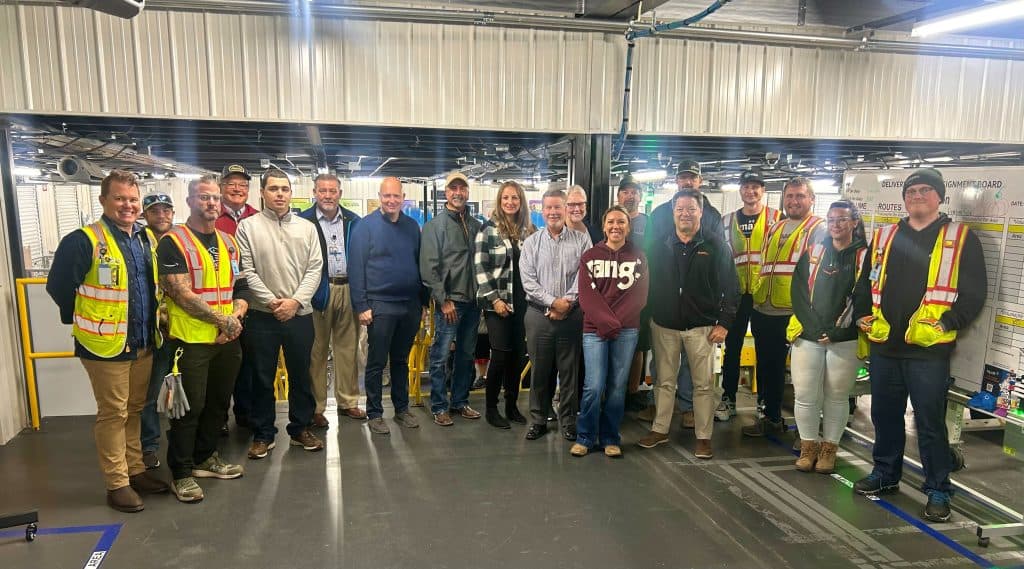
Logan County Economic Development Group Drives Business Growth, Infrastructure Upgrades
The Logan County Economic Development Corporation is actively recruiting businesses, coordinating infrastructure projects, and connecting firms to incentives and funding, with Executive Director Trae Miller listed as the county contact. Its outreach around remote work, energy resilience, and digital infrastructure matters to local residents because prospective investments can bring jobs, expanded broadband, and pressure on housing and utilities.

As of December 31, 2025 the Logan County Economic Development Corporation serves as the county's principal economic development nonprofit, working with the City of Sterling and Logan County to recruit and retain businesses, support infrastructure projects, and steer firms toward incentives and funding. The organization operates as a 501(c)(3) and lists Executive Director Trae Miller as the primary contact for business assistance and community planning.
LCEDC's portfolio of recent initiatives shows a mix of industry recruitment and capacity building. Local materials highlight partnerships with the NSF ASCEND Engine on digital twin and environmental sensing work, assistance in bringing Energy Resource Center services to Sterling, and recruitment efforts focused on remote job and technology opportunities. The corporation also hosts and partners on workshops and grant funded programs meant to prepare local firms for state level incentives and developer proposals.
The county presents a set of tangible assets to potential investors that underpin LCEDC's outreach. Local listings emphasize large available acreage, proximity to interstate and rail corridors, dual natural gas pipeline access in the region, rail service options, and fiber networks with advertised speeds up to 10 Gbps in parts of the county. Those factors help explain why large projects such as hyperscale data center interest have surfaced in ongoing economic conversations. LCEDC functions as a liaison to state programs and to private developers, which places it centrally in negotiations that could reshape local employment and tax bases.
For residents the implications are concrete. New investment can expand the local job market and broaden the tax base, while upgrades in broadband and energy infrastructure can improve everyday services. At the same time major projects may create near term demands on housing, municipal utilities, and local roads, and will require coordinated community planning and workforce development to translate investment into broad based benefits.
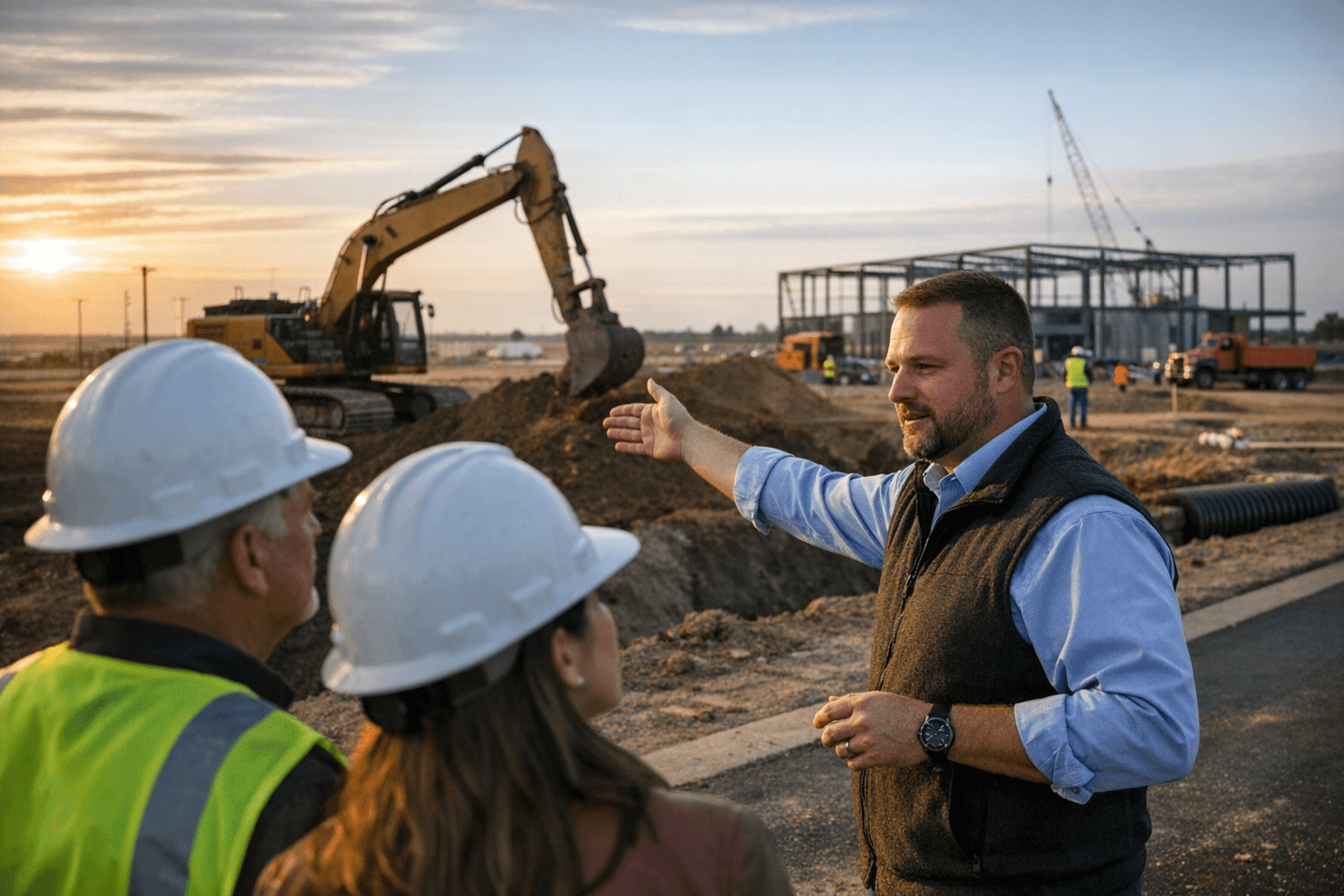
Longer term trends driving LCEDC activity include a nationwide shift toward remote work and data driven industries, increased focus on energy resilience, and the strategic value of logistics corridors for distribution and manufacturing. As projects move from interest to implementation, the corporation's role in navigating incentives, permitting, and developer relationships will be a key determinant of how gains are shared across Sterling and the wider Logan County community.
Residents and businesses seeking the county's official economic development perspective can consult LCEDC materials and contact Executive Director Trae Miller for information about incentives, infrastructure programs, and business assistance.
Sources:
Know something we missed? Have a correction or additional information?
Submit a Tip