Magnitude 6.7 Quake Off Japan Northeast Triggers Tsunami Advisory, Later Lifted
A magnitude 6.7 earthquake struck off the northeastern coast of Japan at 11 44 a.m. local time on December 12, prompting a tsunami advisory for parts of Hokkaido, Aomori, Iwate and Miyagi prefectures that was later lifted after only small sea level fluctuations. The event produced localized evacuations and underscored heightened seismic risk in a region hit days earlier by a larger magnitude 7.5 quake, a reminder for residents and markets that exposure and readiness remain key.
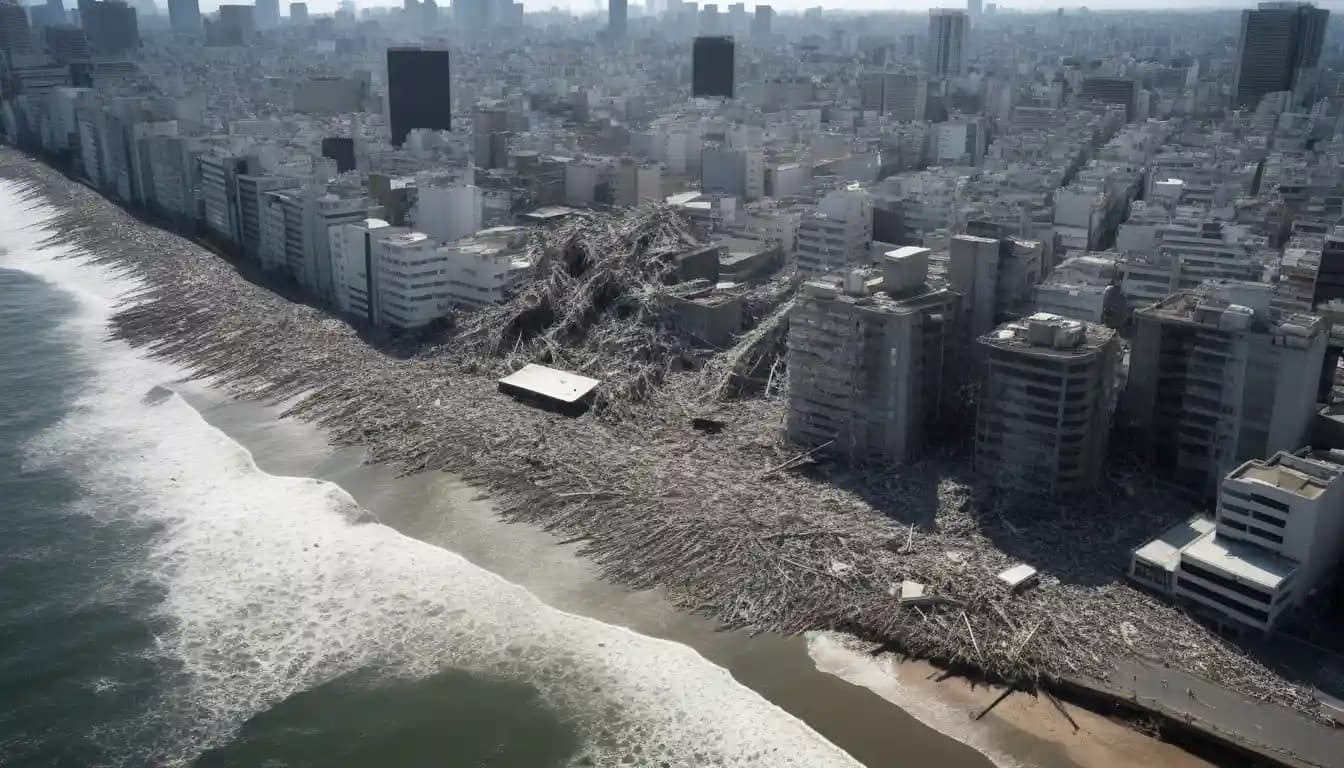
The Japan Meteorological Agency recorded a preliminary magnitude of 6.7 for an earthquake that struck at 11 44 a.m. local time on December 12 off the eastern coast of Aomori Prefecture. Some media outlets reported magnitudes as high as 6.9, reflecting routine differences among seismic agencies, but the JMA figure has been cited as the official Japanese reading. The tremor produced measurable sea level fluctuations and small tsunami waves, but did not cause immediate reports of major damage or fatalities.
The JMA issued a tsunami advisory covering parts of Hokkaido, Aomori, Iwate and Miyagi, warning of a possible tsunami of up to 1 metre. Authorities later lifted that advisory after only minor run ups and sea level changes were observed. Japan’s emergency warning app NERV reported evacuation notices affecting roughly 6,000 people in Mutsu city, Aomori Prefecture, and the BBC and other outlets said more than 6,000 people evacuated from several coastal areas of Aomori. The quake registered a seismic intensity of 4 on Japan’s 7 point scale in Hachinohe, Aomori Prefecture.
Officials also made clear there were no tsunami alerts issued for the U S West Coast or Hawaii. Broadly, media accounts described only small tsunami waves and sea level fluctuations following the December 12 event. The limited physical impact on infrastructure contrasts with the heightened public concern sparked earlier in the week when a magnitude 7.5 earthquake struck in the same offshore region. That larger event caused light damage to roads and buildings and produced injuries that various outlets reported differently, with CBS and the Associated Press citing at least 34 people injured and the BBC reporting at least 50 injured. The 7.5 quake produced measurable tsunami run ups on the Pacific coast, with some reports of levels around 28 inches in affected communities.
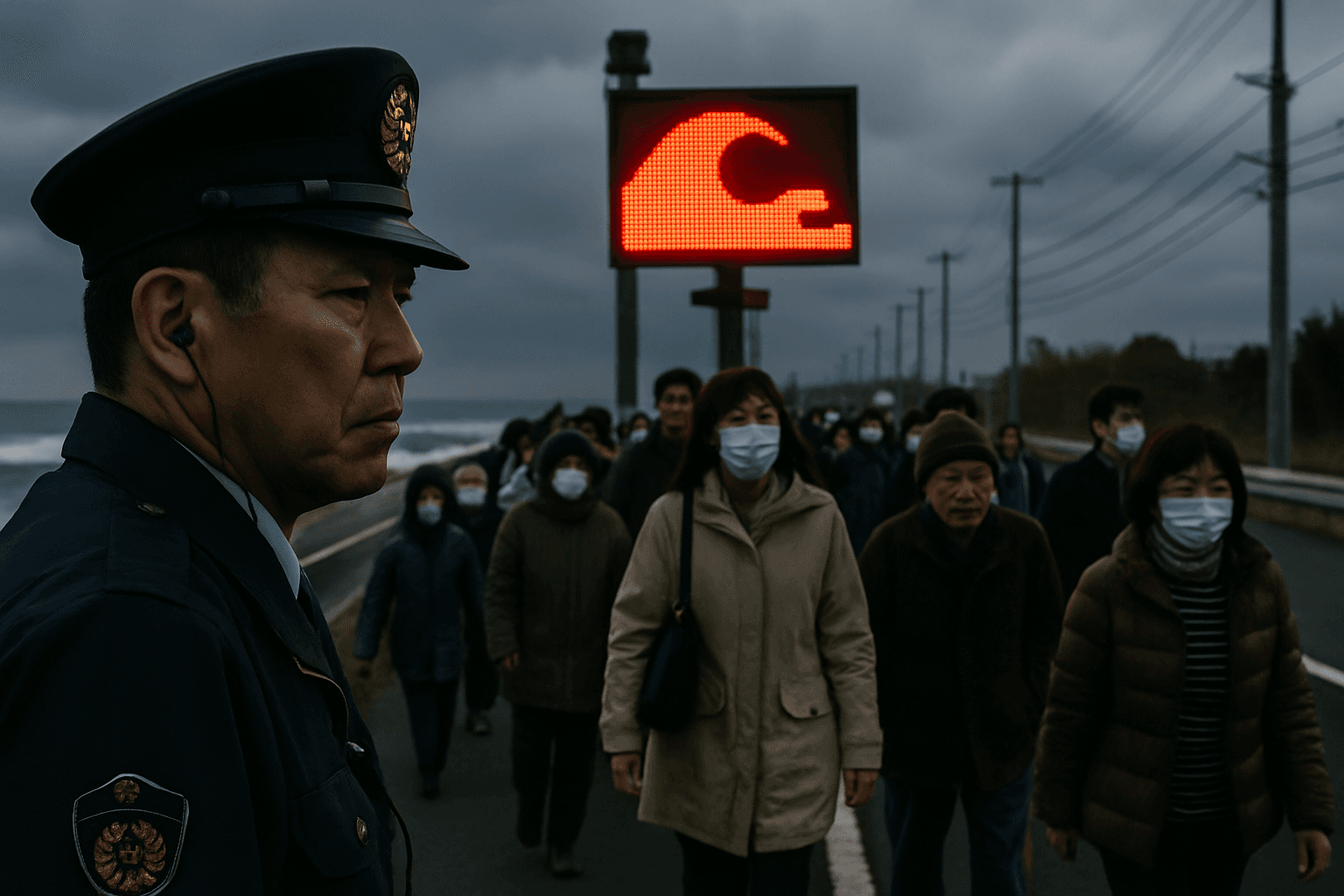
The back to back quakes have policy and economic implications beyond immediate evacuation logistics. Repeated seismic activity increases scrutiny of coastal resiliency, emergency communications and insurance exposures. Japan already maintains rigorous building codes and early warning systems, but higher frequency of notable tremors tends to elevate risk premiums for property and catastrophe insurers and can raise short term costs for reconstruction and risk mitigation at the municipal level.
Government officials have also issued a broader advisory about the potential for a much larger offshore event, noting a low probability estimate of about 1 percent for an earthquake of magnitude 8 or greater while describing extreme worst case scenarios. That advisory was cast as a caution to review preparedness rather than as a prediction. For now the December 12 tremor produced localized disruption and a reminder that, in a seismically active region, small differences in magnitude and location can sharply affect human and economic outcomes. Emergency services remained on alert as communities assessed any delayed damage and residents returned to evacuated areas.
Know something we missed? Have a correction or additional information?
Submit a Tip

