Man Arrested in 2021 Pipe Bombings Outside Party Headquarters, DOJ Says
Federal prosecutors arrested Brian J. Cole Jr. on December 4 and unsealed a criminal complaint alleging he placed two improvised explosive devices outside the Republican and Democratic National Committee headquarters on January 5, 2021. The charges underscore ongoing legal consequences from the events surrounding January 6, 2021, and raise fresh questions about security at political institutions and the investigative tools used to bring alleged perpetrators to account.

Federal authorities arrested Brian J. Cole Jr., 30, of Woodbridge, Virginia, on December 4 and charged him with transporting and planting two improvised explosive devices outside the Republican National Committee and Democratic National Committee headquarters in Washington, D.C., on January 5, 2021. A criminal complaint was unsealed on December 4, 2025, and federal prosecutors say the devices were viable and could have caused serious injury or death.
The U.S. Attorney's Office for the District of Columbia said Cole was taken into custody on December 4 and arraigned in federal court. A detention hearing has been scheduled and Cole remains in custody pending further proceedings. The complaint lists two federal counts, including transporting an explosive device in interstate commerce with intent to kill, injure or intimidate, and attempted malicious destruction by means of fire and explosive materials.
Prosecutors say investigators tied Cole to the devices through a combination of physical and electronic evidence. The complaint identifies credit card purchases for components used in the bombs, cell site and license plate reader data, and surveillance footage as the principal strands of the case that led to the arrest. The Department of Justice said the investigation remains active and that the U.S. Attorney's Office will prosecute the matter.
The allegations reopen a violent episode that preceded the attack on the U.S. Capitol and underscore persistent vulnerabilities surrounding the security of national party facilities. The placement of pipe bombs outside both headquarters on January 5, 2021, was widely viewed at the time as an attempt to intimidate political actors and disrupt democratic processes. Prosecutors framing the transport count with intent to kill injure or intimidate signals that the government will pursue those charged with politically motivated violence under statutes designed to protect the electoral system and public officials.
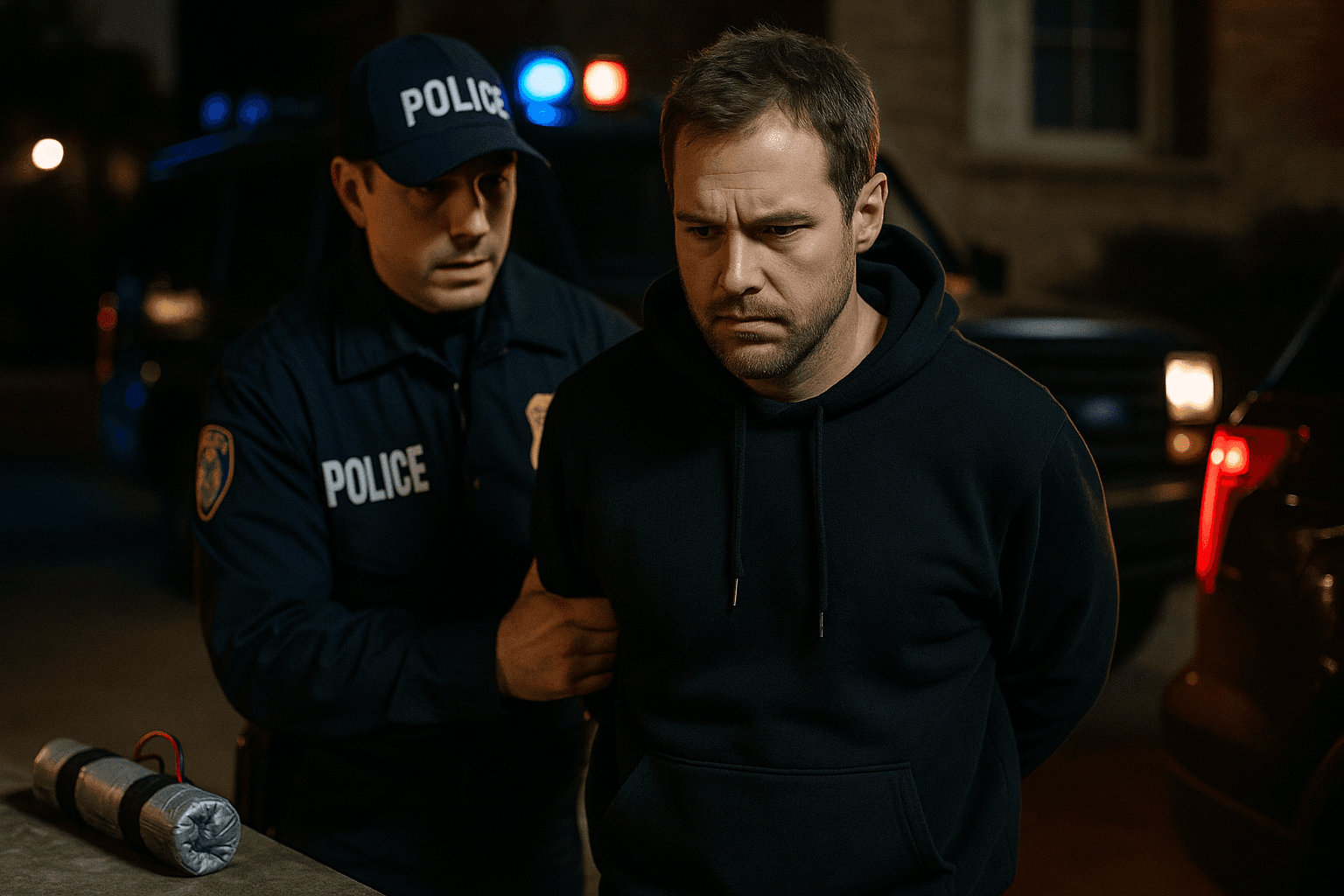
The methods described in the complaint reflect contemporary investigative tradecraft. Credit card records, cell site records, license plate reader data, and security camera footage are routinely used to connect suspects to alleged crimes, particularly when incidents cross jurisdictional lines. Those tools can be effective in assembling evidence but also raise public policy questions about oversight and privacy safeguards for data collected by private companies and government systems.
For political institutions and civic leaders, the arrest is likely to reinforce calls for robust perimeter security and intelligence sharing between federal and local law enforcement. At the same time, civil liberties advocates may press for clarity about how digital and commercial records are accessed and used in politically sensitive investigations.
As the case proceeds in the U.S. District Court for the District of Columbia, prosecutors have signaled a continuing investigation. The outcome will test the capacity of federal prosecutors to translate a multi year inquiry into criminal convictions while navigating legal and constitutional protections that govern evidence and surveillance. Public confidence in the safety of political participation may hinge on both the integrity of the prosecution and transparent reassurances about the measures taken to prevent similar attacks in the future.