New York Times Sues Pentagon, Challenges Restrictive Press Access Policy
The New York Times filed suit against the Department of Defense and Secretary of Defense Pete Hegseth over a Pentagon rule that requires journalists to acknowledge they could be labeled security risks and lose credentials for soliciting certain information. The case raises immediate questions about press freedom, government transparency, and how Americans will receive accountable reporting about military operations.
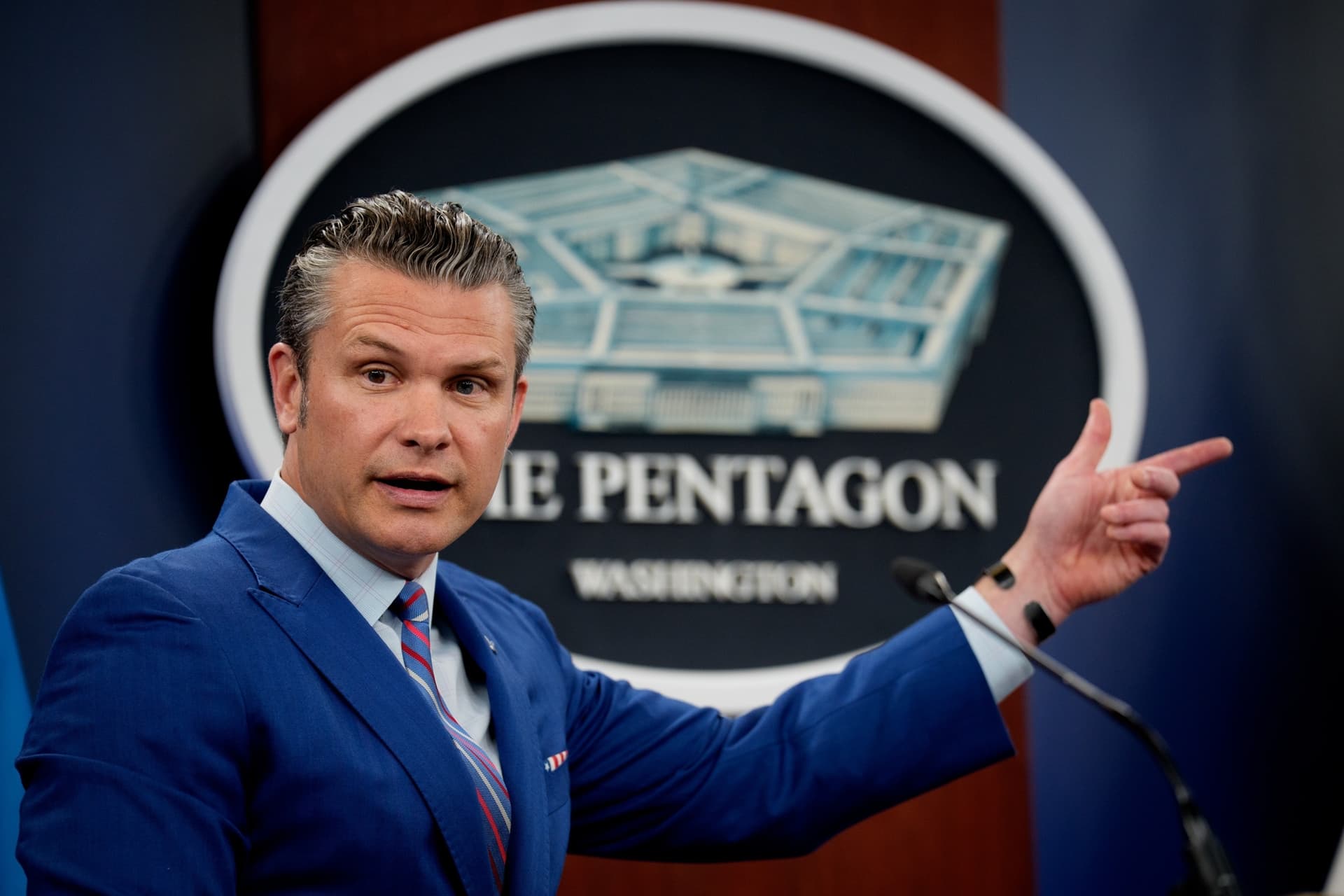
The New York Times filed a federal lawsuit in Washington, D.C. on December 4, 2025, challenging a Pentagon press access policy that the newspaper says unlawfully constrains reporting and violates constitutional protections. The suit names the Department of Defense and Secretary of Defense Pete Hegseth as defendants and identifies Times reporter Julian Barnes as a co plaintiff in the legal action.
At the heart of the complaint is a requirement in the new policy that journalists acknowledge they could be labeled security risks and face revocation of Pentagon press credentials if they solicit certain classified or unclassified information. The Times contends that the acknowledgment is coercive, penalizes routine newsgathering and investigation, and infringes on the First Amendment right to gather and publish news. The complaint also raises Fifth Amendment due process concerns, arguing that the policy lacks clear standards and denies journalists fair procedures before credentials are revoked.
The Pentagon has defended the measure as necessary to protect classified information and national security by deterring solicitation of unauthorized disclosures and preserving operational security. Department officials have said the policy is intended to safeguard sensitive information and military personnel, while continuing to permit accredited reporting that does not cross those boundaries. Pentagon officials declined immediate comment when asked about the lawsuit.
Reuters reported that at least 30 major news organizations have refused to sign the new policy and have forfeited Pentagon press badges rather than accept the acknowledgment. The mass departure of mainstream outlets from regular Pentagon briefings has left a contentious space in which the administration has moved to assemble an alternative press corps to provide access to some military information. Those developments have prompted concerns among journalists and transparency advocates about the narrowing of sources available to the public and the potential emergence of a parallel information ecosystem that privileges compliant outlets.

Legal analysts say the case will test how far a security driven policy can go before it imposes an unconstitutional burden on newsgathering. The Times is seeking judicial relief to block enforcement of the acknowledgment requirement, framing the dispute as a broader fight over the public interest in information about military operations and policy. The litigation also raises practical questions for defense press operations, including how briefings will be conducted and which reporters will continue to receive on the record access.
Beyond courtroom arguments, the dispute has immediate implications for democratic oversight. Reduced access to Pentagon briefings could complicate journalists efforts to scrutinize military decisions, budget priorities and the conduct of operations. In an election environment in which voters rely on independent reporting to assess government performance, restrictions on credentialed coverage could affect civic engagement and the public s ability to hold leaders accountable. The suit will move forward in federal court as both sides prepare to frame the balance between security concerns and press freedoms.