Man Sentenced to Decades for Killing University Student, Case Spurs Reforms
Sheldon Timothy Herrington Jr. was sentenced on December 9, 2025 after pleading guilty earlier this week to second degree murder and evidence tampering in the 2022 disappearance and death of University of Mississippi graduate student Jimmie Jay Lee. The resolution ends a long, public investigation while prompting family members and victims advocates to call for changes to how digital accounts and missing person information are handled in investigations.

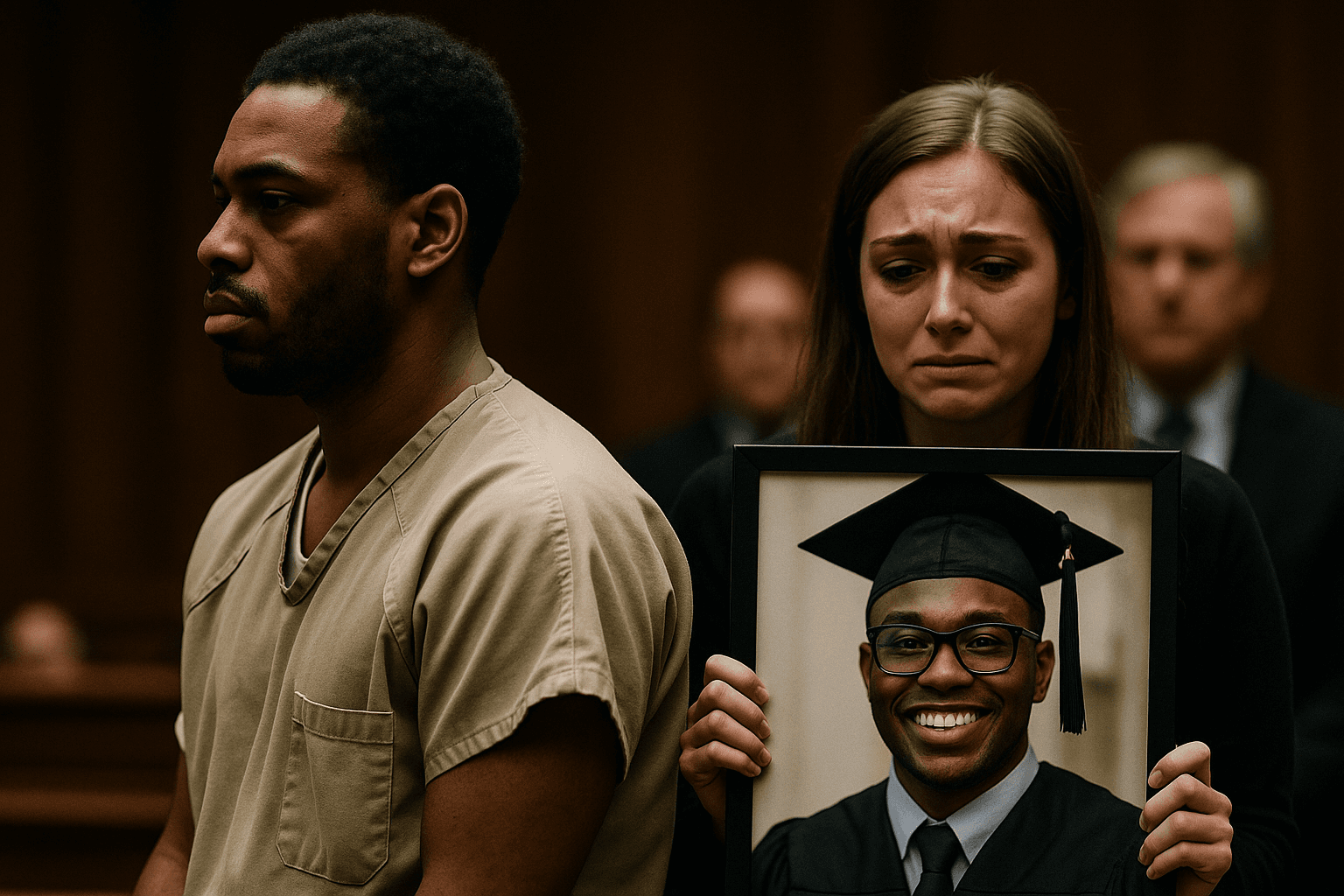
Sheldon Timothy Herrington Jr. received a multi decade sentence totaling 40 years with 10 years suspended at a sentencing hearing on December 9, 2025, resolving charges stemming from the 2022 disappearance and death of University of Mississippi graduate student Jimmie Jay Lee. Herrington pleaded guilty earlier this week to second degree murder and evidence tampering, a change from earlier capital murder charges that were reduced through plea negotiations following a previous trial that ended in a mistrial.
Lee vanished in 2022, and a prolonged investigation culminated when hunters located human remains in February 2025. Prosecutors told the court that the killing stemmed from an effort to conceal a secret relationship, and the evidence tampering count reflected actions taken after the killing to hide Lee and impede investigators. At the sentencing hearing family members and prosecutors addressed the court, and the proceeding drew attention within the university community and beyond.
The case has had practical impact on local procedures and public expectations about how missing person cases are handled. Victims advocates and Lee’s family have urged changes to the way law enforcement and institutions access and preserve digital accounts and missing person information. They contend that delays and barriers in obtaining electronic records can slow investigations and obscure critical leads during the earliest, most important hours and days after a disappearance.
For students, university staff, and families the case highlights concrete steps to reduce risk and aid investigations. If someone goes missing, contact law enforcement immediately and preserve electronic communications and account details as best you can. Keep a trusted emergency contact who has access to key accounts, and consider sharing location and emergency information with campus safety services. Law enforcement agencies and universities should review policies that govern access to digital evidence, improve coordination, and adopt clear protocols for rapid preservation of electronic records.
The sentencing closes a chapter in a case that has been watched closely for its investigatory lessons, while family members continue to press for reforms they say will help other families get answers faster.
Sources:
Know something we missed? Have a correction or additional information?
Submit a Tip%3Amax_bytes(150000)%3Astrip_icc()%3Afocal(749x0%3A751x2)%2Frebecca-park-2-110725-1a9c3b04ada14bb7b282a6736c9e1052.jpg&w=1920&q=75)

