Mark Cuban Urges Trump To Waive FDA Fees To Boost U.S. Generics
Entrepreneur Mark Cuban asked the Trump administration to waive high FDA regulatory fees that he says prevent expansion of domestic generic drug manufacturing. He argues eliminating the roughly $360,000 per application charge would let companies like Cost Plus Drugs scale U.S. production, strengthen supply resilience and bring down prices for consumers.
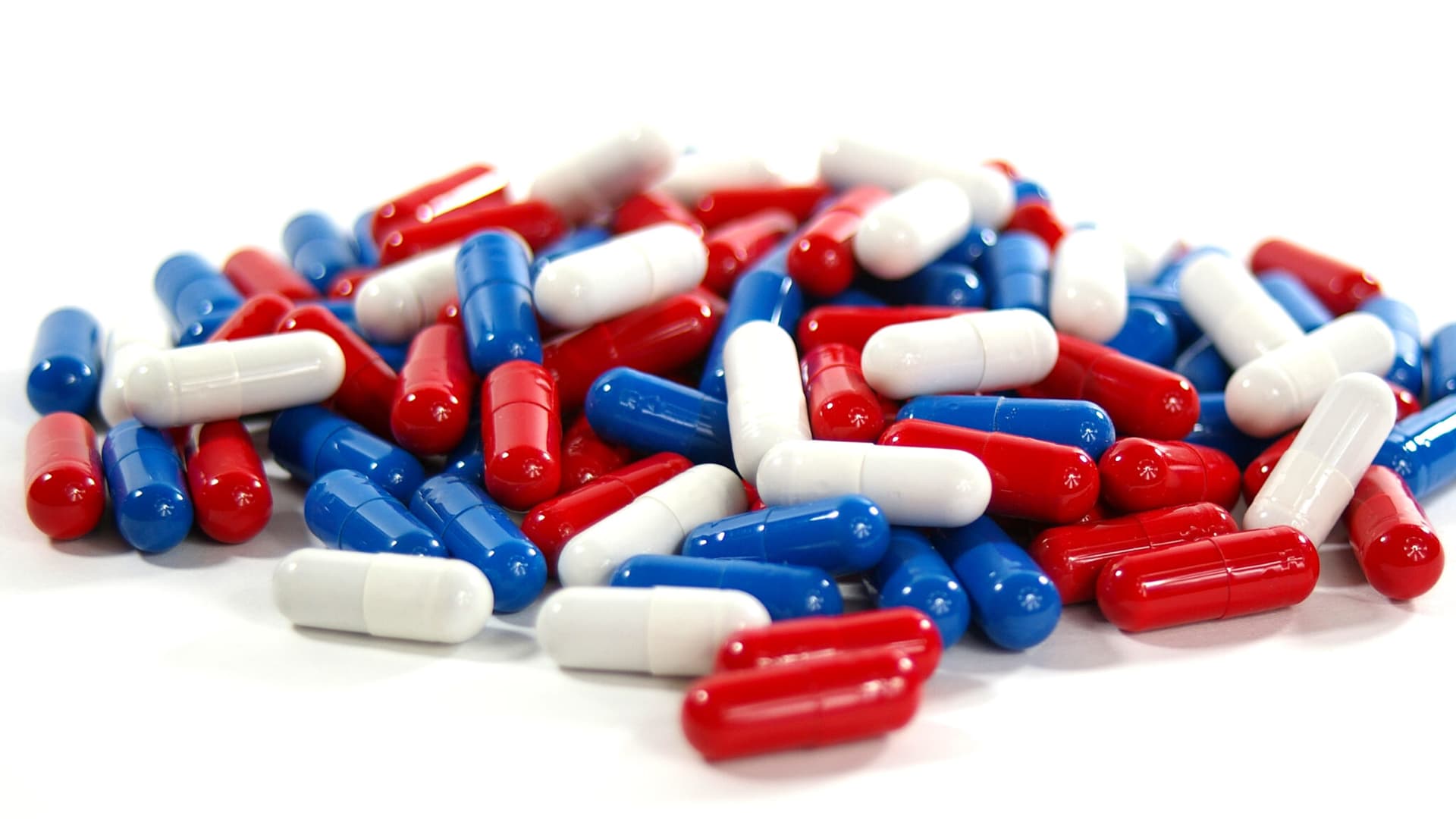
On December 4, 2025, entrepreneur Mark Cuban formally asked the Trump administration to waive Food and Drug Administration regulatory fees for generic drug approvals, arguing the roughly $360,000 per application cost is a major barrier to expanding U.S. manufacturing. Reuters reported Cuban said the fees discourage companies from bringing production home, and that relief would allow firms such as his Cost Plus Drugs to invest in domestic plants and boost the supply of affordable medicines.
The fee in question is part of the FDA review process that helps fund the agency’s activities. For generic manufacturers, the charge adds a substantial up front cost to bringing a product to market and can be particularly onerous for smaller firms or for modest margin drugs. Cuban and several industry representatives told Reuters that lowering or waiving the fee would make onshore projects economically viable, spurring investments in factories, equipment and workforce training that could improve resilience against global supply chain disruptions.
The request arrives amid broader administration priorities to onshore pharmaceutical production and reduce reliance on overseas suppliers. Policymakers have emphasized domestic manufacturing as a national security and public health objective since supply shortages during past health emergencies highlighted vulnerabilities. Industry executives have said they would consider new investments if regulatory costs were eased, framing fee relief as a lever to convert rhetorical support for onshoring into concrete capacity.
But easing fees raises policy trade offs. The user fees contribute to FDA resources that support drug review capacity and post market oversight. Reducing that revenue would require alternative funding to preserve review timelines and safety oversight, or risk slowing approvals by stretching agency resources thinner. Lawmakers and regulators must weigh whether temporary exemptions, targeted fee reductions for qualifying products, or congressional appropriations are the best path to encourage domestic production without undermining regulatory performance.
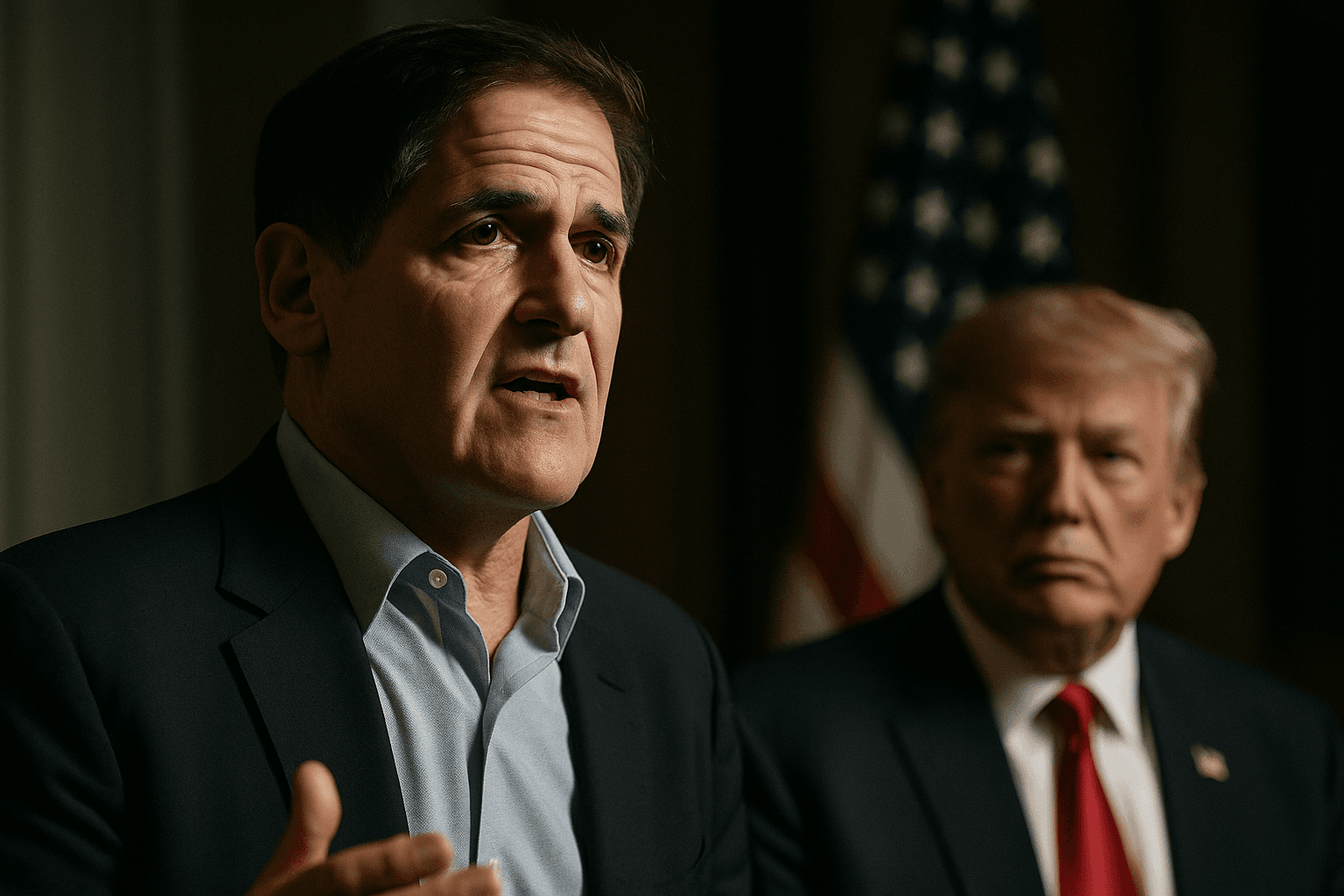
Advocates for lower fees argue downstream benefits would include increased competition in generic markets, which typically lowers prices for consumers and insurers. A stronger domestic manufacturing base could also reduce the likelihood of shortages caused by geopolitical tensions or foreign factory outages. Critics warn that simply cutting fees will not by itself create factories, trained workers, or supply chains for active ingredients, and that a comprehensive industrial strategy would be needed to capture the full benefits of reshoring.
Cuban’s appeal to the administration crystallizes a concrete policy proposal in the broader debate over how to rebuild U.S. drug manufacturing. If adopted, fee relief would test whether targeted regulatory incentives can unlock private capital and operational capacity quickly enough to affect prices and availability for patients. If not accompanied by funding and workforce measures, critics say, it may fall short of the resilience goals supporters seek. The coming weeks could reveal whether regulators and lawmakers take up the request, and how they balance fiscal, safety and industrial priorities in shaping any change.