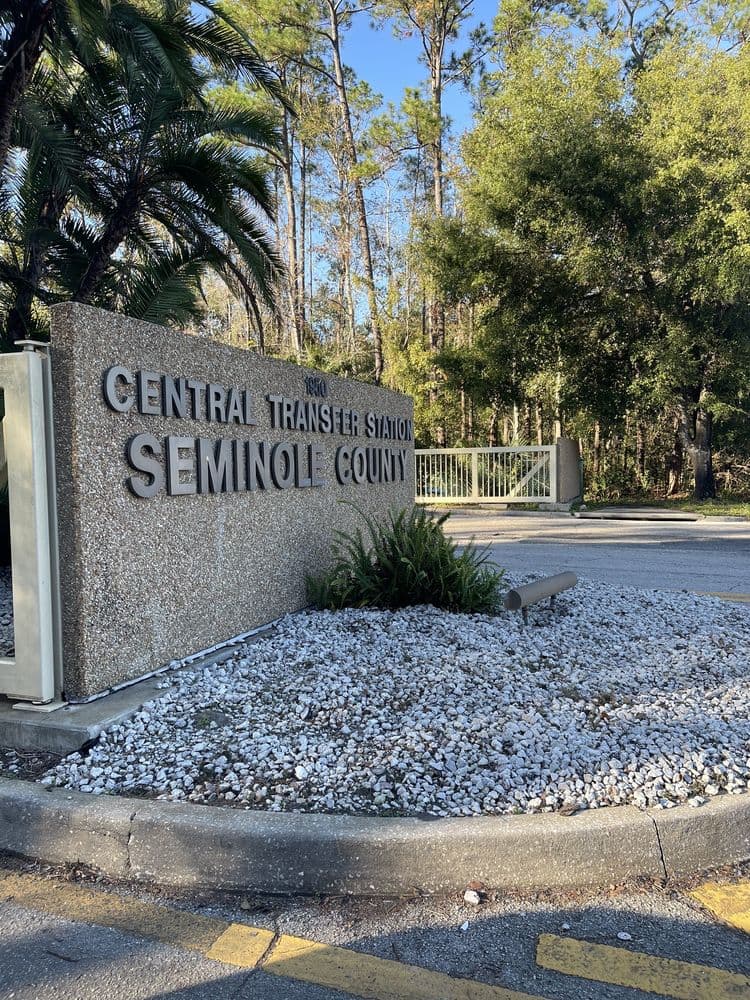
Mayfair Hotel's Past and Plans Shape Sanford's Future
The century old Mayfair Hotel in Sanford is at the center of renewed redevelopment proposals, raising questions about historic preservation, public access, and possible burial sites connected to the Second Seminole War. Decisions now under review by local planning and zoning authorities will shape downtown connectivity, tourism potential, and how the community honors its layered history.
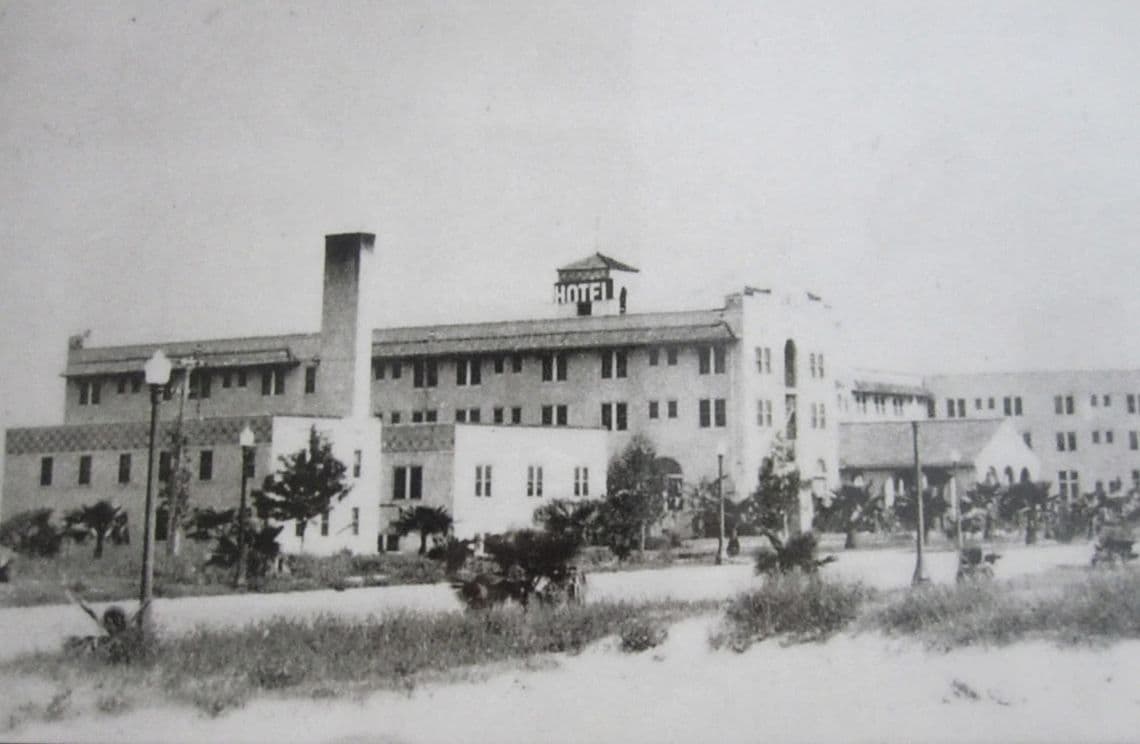
The Mayfair Hotel, built in 1925 in the Mediterranean Revival style by architect Elton J. Moughton, is the focus of fresh debate as developers and preservation advocates present competing visions for the landmark. Proposals over the years to restore, repurpose, or replace parts of the complex have resurfaced in recent planning and zoning hearings, with officials and residents weighing the benefits of economic reuse against the need to protect historical fabric and sensitive cultural resources.
The building's long and varied past underscores the stakes. The property was used by the Navy during World War II, later served as a spring training site under ownership tied to the New York Giants, and in subsequent decades was owned and occupied by mission and evangelical groups. That layered history has produced rich archival material and strong local attachments, which have informed testimony at municipal hearings and shaped broader public reaction.
At Planning and Zoning Commission meetings, debates have centered on practical concerns including parking capacity, how the site would connect to downtown Sanford's pedestrian and transit networks, and preservation of distinctive architectural elements. The possibility that redevelopment work could encounter burial sites linked to the Second Seminole War era has added legal and ethical complexity. Potential archaeological findings would trigger state review and consultation with descendant communities, and have prompted calls for careful, culturally informed investigation before intrusive work proceeds.
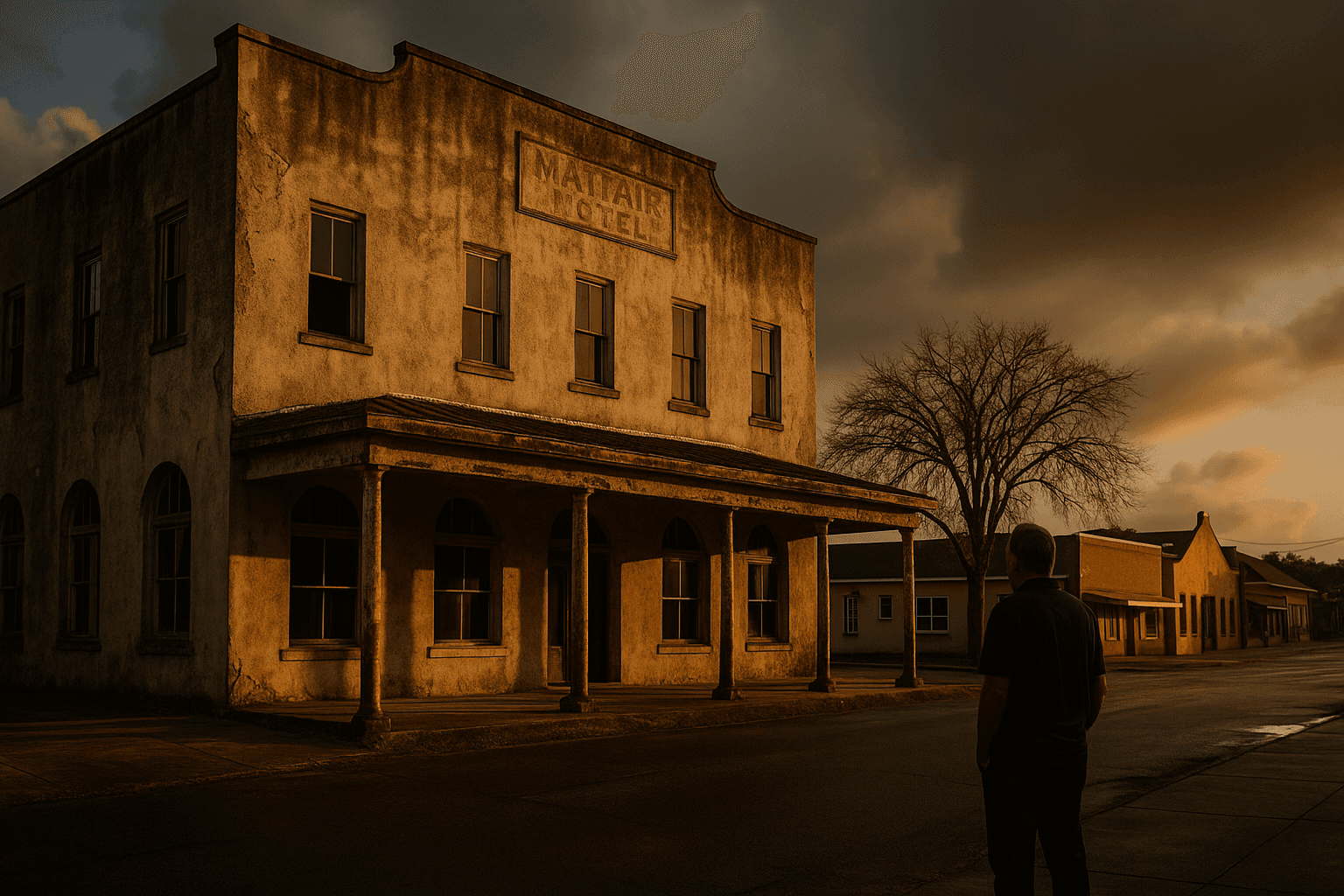
For Seminole County residents, the outcome will affect neighborhood circulation, downtown economic activity, and the stewardship of a property that embodies multiple chapters of local history. A sensitive redevelopment could boost tourism and reuse an idle asset, while mishandled work could sever ties to significant historical and cultural narratives. Officials have indicated that future approvals will depend on detailed site studies, mitigation plans for any archaeological resources, and clear commitments to public connectivity and parking solutions.
The Mayfair Hotel debate illustrates broader tensions between preservation and development in growing cities. How Sanford navigates these trade offs will determine not only the fate of one landmark, but how the community honors memory, supports economic revitalization, and protects culturally sensitive sites for future generations.
Sources:
Know something we missed? Have a correction or additional information?
Submit a Tip