McKinney council narrowly approves McDonald's drive-thru on Virginia Parkway
McKinney approved a McDonald's drive-thru at 3300 Virginia Parkway after a 4–3 vote. The decision matters for local traffic flow, land use policy, and neighborhood access.
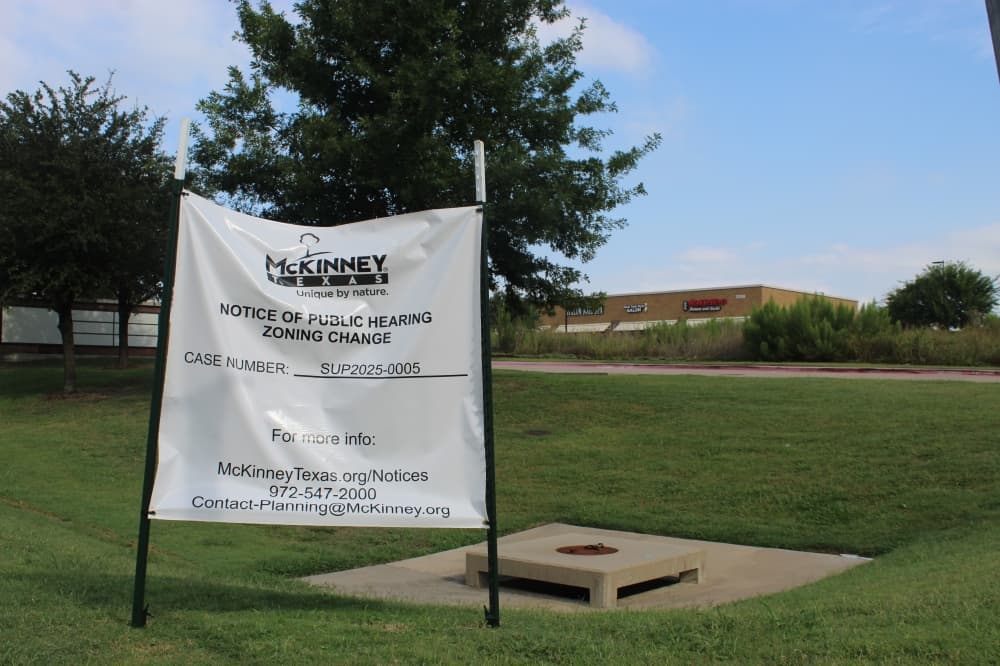
McKinney City Council voted 4–3 on Jan. 9, 2026, to grant a specific-use permit for a McDonald's drive-thru at 3300 Virginia Parkway, clearing the way for the restaurant to move forward after earlier delays. The permit had been tabled previously amid concerns about traffic flow, and the narrow margin underscores continued community division over development and roadway capacity in west McKinney.
The contested permit centered on projected conflicts for left-turning vehicles exiting the site. Opponents raised traffic-flow concerns that drove the earlier tabling of the proposal; proponents argued the permit was a necessary step to allow the business to proceed. With the majority vote, the council approved the conditional use that permits a drive-thru in that zoning context, meaning McDonald’s can advance permitting and construction steps subject to any conditions attached to the approval.
Beyond a single restaurant, the vote highlights institutional questions about how growth is managed in Collin County suburbs facing rapid development. A 4–3 split on an operational land-use decision signals a council that is closely divided on balancing commercial expansion with neighborhood livability and road safety. For residents, that split matters: narrow approvals are more likely to produce follow-up conditions, monitoring, or future appeals from concerned neighbors and civic groups.
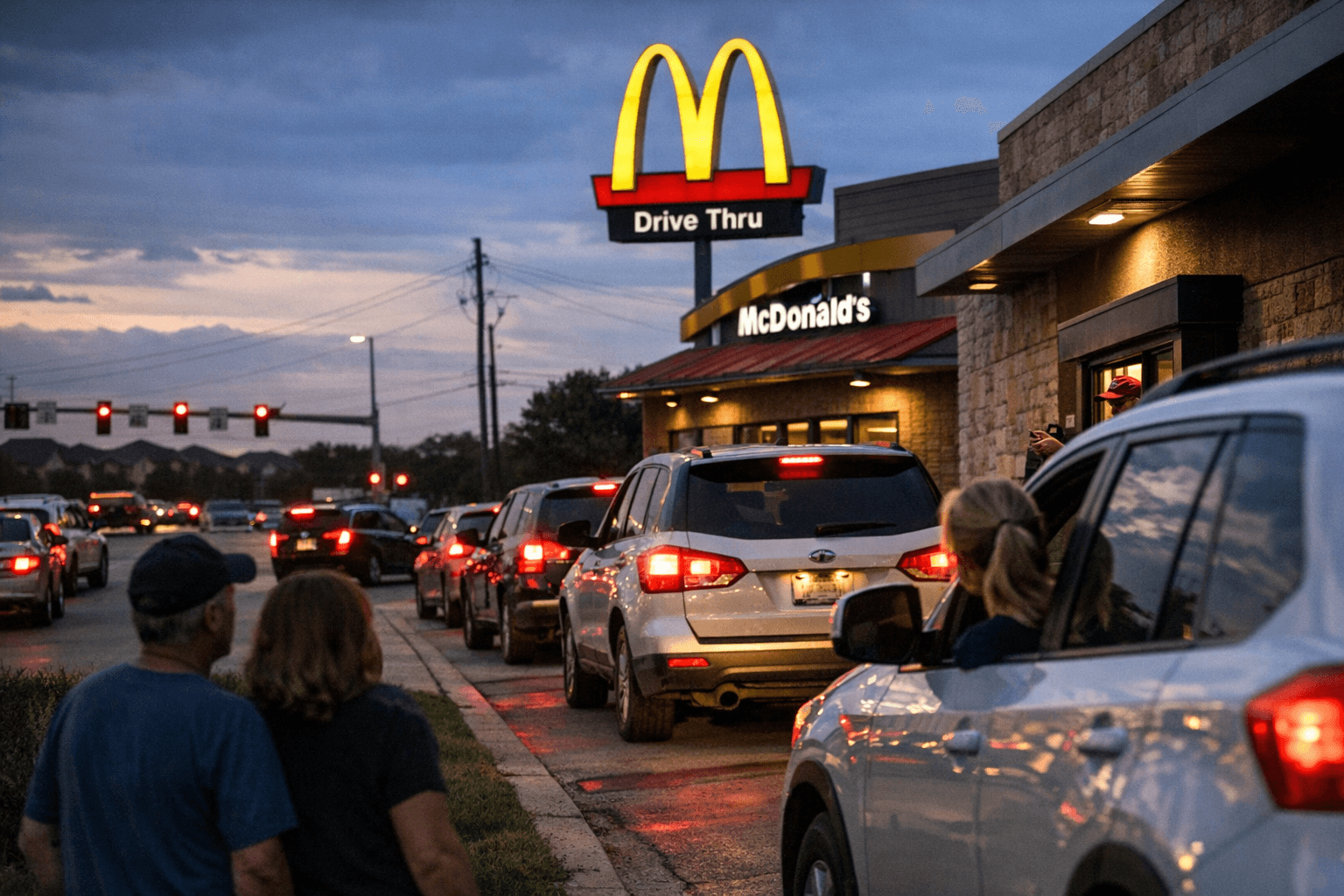
Traffic implications are immediate. Virginia Parkway is a busy corridor serving local commuters, school routes, and retail access. A new drive-thru will increase turning movements, particularly left turns exiting the site, which opponents cited as the primary safety and congestion risk. City transportation staff and planners will be watching peak-period patterns and may recommend or require mitigation such as adjusted access management, signage, or turn lane modifications as part of permitting or building phases. Any such measures will affect project timing and local traffic operations.
The council’s choice also carries policy implications for how Collin County cities handle similar specific-use requests going forward. Elected officials are setting a precedent about the threshold for approving conditional commercial uses in built-out corridors where incremental trips can exacerbate congestion.
Our two cents? Keep an eye on building permits and upcoming council agenda items, and if traffic or safety worries you, bring specific examples to planners and your councilmember. Public oversight and clear data on peak congestion are the most effective tools communities have to shape how new businesses fit into busy corridors.
Sources:
Know something we missed? Have a correction or additional information?
Submit a Tip