Menominee Reservation's living forest anchors local economy, culture
the Menominee Reservation is the homeland of the Menominee Tribe and a hub for forestry, education and cultural conservation that shapes life across Menominee County.
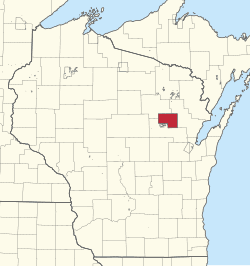
The Menominee Indian Reservation, known in Menominee as Omāēqnomenēw Eskōnekan, remains the central social, economic and political landscape for Menominee County. Much of the county sits on reservation and trust lands governed by the Menominee Tribal Legislature, and the Tribe operates key institutions that affect daily life in Keshena, Neopit and Zoar.
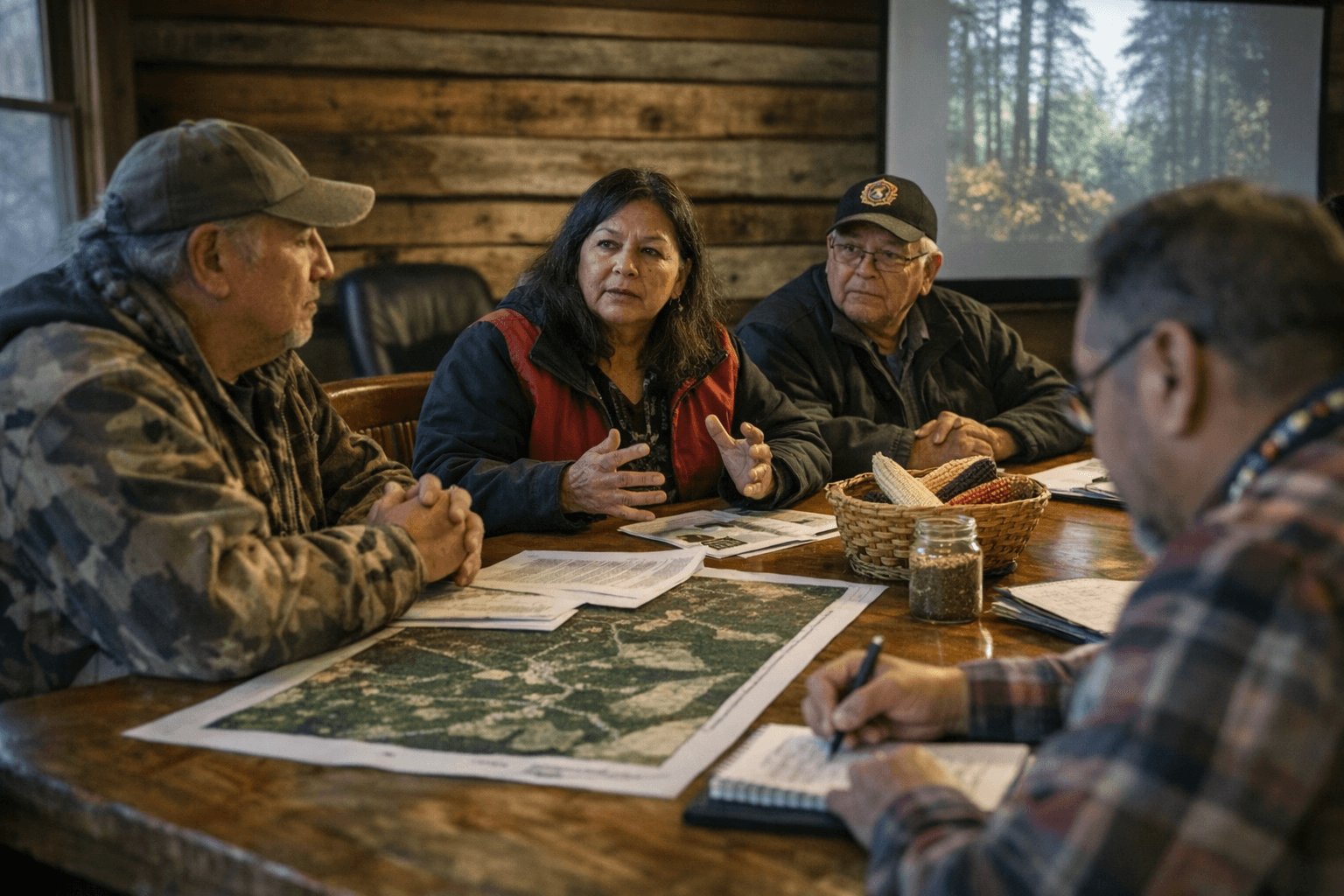
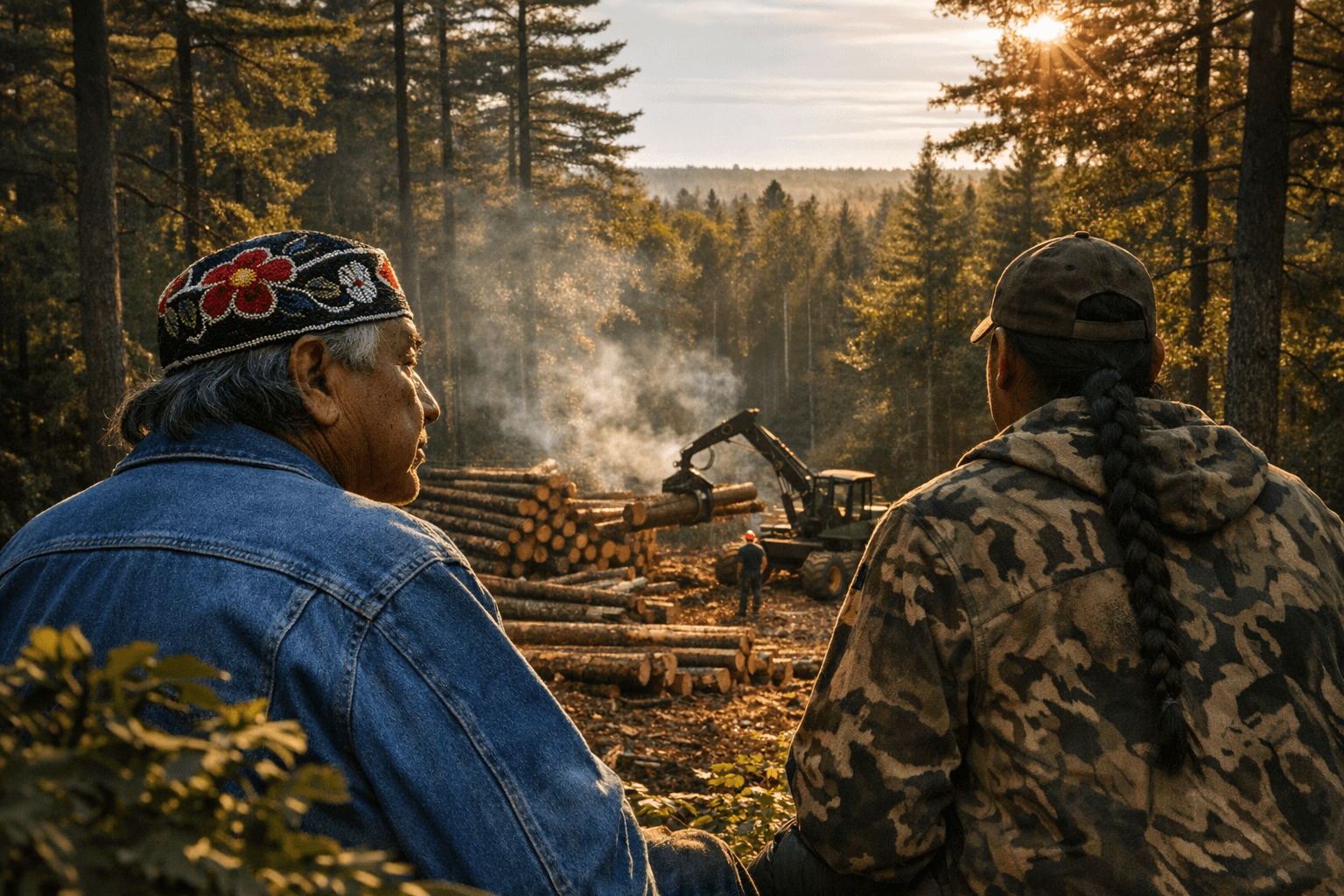
At the heart of the reservation is a large, contiguous forest that the Tribe has managed for generations. Forestry and wood products are both an economic engine and a cultural practice for the community. Menominee Tribal Enterprises, the Tribe’s long-running sustainable forestry operation, provides jobs, revenue and a living link to traditional land stewardship that extends beyond county lines. That model of community-centered forestry draws attention from conservationists and policy makers who look for working examples of sustainable resource management.
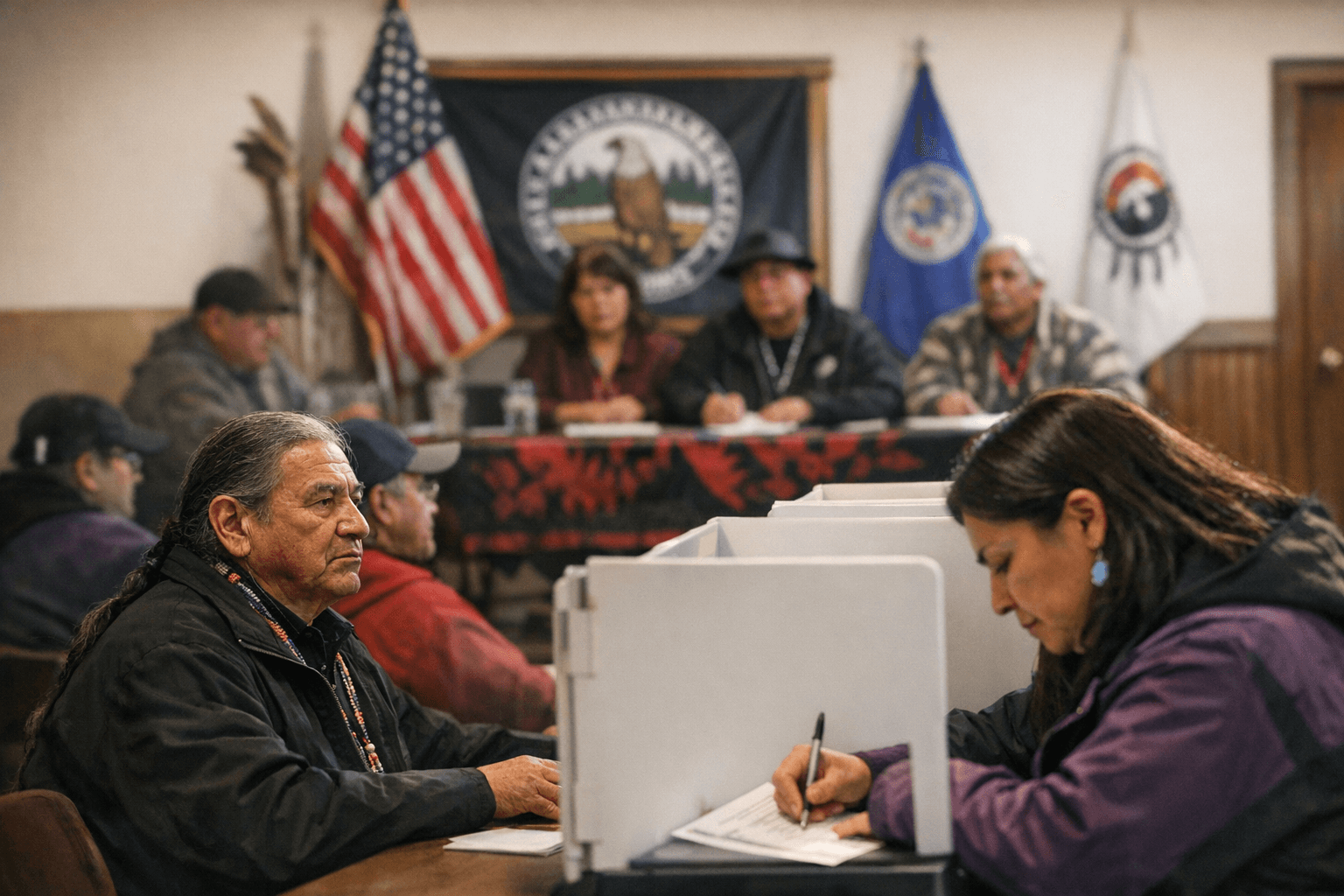
Tribal governance and services also shape local education and public life. The College of Menominee Nation operates on reservation lands and contributes to workforce development, cultural education and opportunities for residents who want to build careers close to home. The Menominee Tribal Legislature sets policy for reservation and trust lands, while the Tribe maintains its own law enforcement and governmental institutions that exercise authority in coordination with federal law.
Conservation and cultural sites remain anchors for community identity. Keshena Falls and wildlife restoration efforts, including projects to restore bison, are part of a broader commitment to ecological recovery and cultural renewal. These efforts reinforce the reservation’s role as a living landscape where economic, cultural and environmental priorities intersect.
For people across Menominee County, these institutional and ecological realities have practical consequences. Local employment, education pathways, recreation and land use are intertwined with tribal decisions and operations. Nontribal neighbors and visitors interact daily with tribal services and the region’s conserved public lands, making respect for tribal governance and cultural sites an everyday civic practice.
On matters of law and jurisdiction, federal and tribal authorities govern the reservation under current law, and that framework affects everything from policing to land management. Understanding that framework matters for residents who work on the reservation, use its services or engage in collaborative projects.
The takeaway? The reservation is not an abstract background — it is the county’s economic heartland, cultural center and policy actor. Our two cents? Learn the basics of tribal governance, support locally produced wood and cultural initiatives, and treat community lands and sites like Keshena Falls with the care they deserve.
Sources:
Know something we missed? Have a correction or additional information?
Submit a Tip