Menominee Tribe agriculture and environmental committee meets on key issues
The Menominee Indian Tribe's Agriculture & Environmental Committee meets Jan. 12 to review tribal agriculture and natural-resource items that affect local programs.
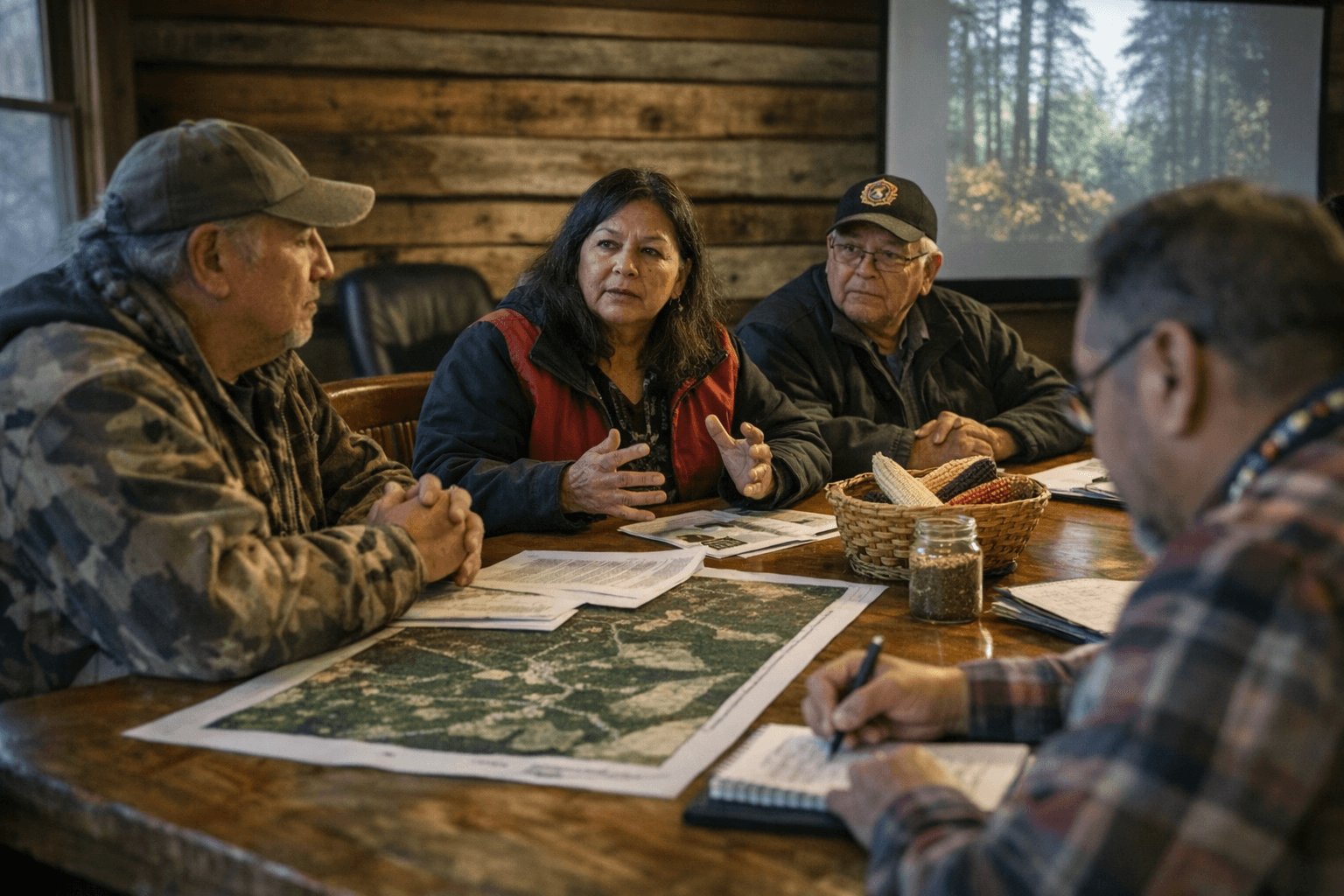
The Menominee Indian Tribe of Wisconsin's Agriculture & Environmental Committee convenes Jan. 12 at 1:00 P.M. in the MTL Committee Room and via Zoom to consider agenda items tied to tribal agriculture programs, environmental policy and other natural-resource initiatives. The meeting is listed on the Tribe's public meetings page, which includes a "View Agenda" link to the packet and background documents.
The committee plays a central role in shaping how tribal lands and programs are managed, and its decisions have direct effects on services and projects that Menominee County residents rely on. Agenda materials available through the meetings page will show the specific proposals under consideration, from program reports to policy measures and project updates. Residents, landowners and anyone with an interest in local stewardship and resource use should review that packet to see what items may affect them.
This session is being held in a hybrid format: members and staff will gather in the MTL Committee Room while the public can attend remotely via Zoom. The Tribe's meetings page provides the agenda link and the usual access details; the "View Agenda" link leads to the full packet, which is the best source for specific line items, background documents and supporting materials. Because the committee’s scope includes both agriculture and environmental issues, the meeting may address topics related to program operations, regulatory alignments, grant-funded projects or planning for natural-resource work on tribal land.
For residents of Menominee County the committee’s work matters in practical ways. Actions approved at committee level often guide how funding is allocated, what technical assistance is available to growers and producers, and how environmental priorities are set for watershed health, habitat management and other conservation activities. Tribal governance decisions also set precedents for collaboration with county agencies and neighboring communities, so watching these meetings offers a window into future local initiatives and partnerships.
Participation is straightforward: check the Tribe's public meetings page, click the "View Agenda" link to read the packet, and join the meeting in person or by Zoom if you want to follow discussions in real time. If you represent a group or project that could be affected, reviewing the agenda in advance helps you prepare questions or submit materials to staff.
The takeaway? Make a habit of peeking at the agenda before the meeting and tune in if an item touches your land or program—staying informed is the fastest way to make sure local voices are heard and community priorities shape outcomes.
Sources:
Know something we missed? Have a correction or additional information?
Submit a Tip