Michigan Fires Sherrone Moore, Coach Jailed Amid Assault Investigation
The University of Michigan terminated head football coach Sherrone Moore with cause following an internal probe that found credible evidence of an inappropriate relationship with a paid staff member, then saw him detained hours later as local police opened an investigation. The abrupt split raises immediate questions about accountability in college athletics, the financial and recruiting fallout for a blue chip program, and how institutions balance personnel decisions with criminal inquiries.
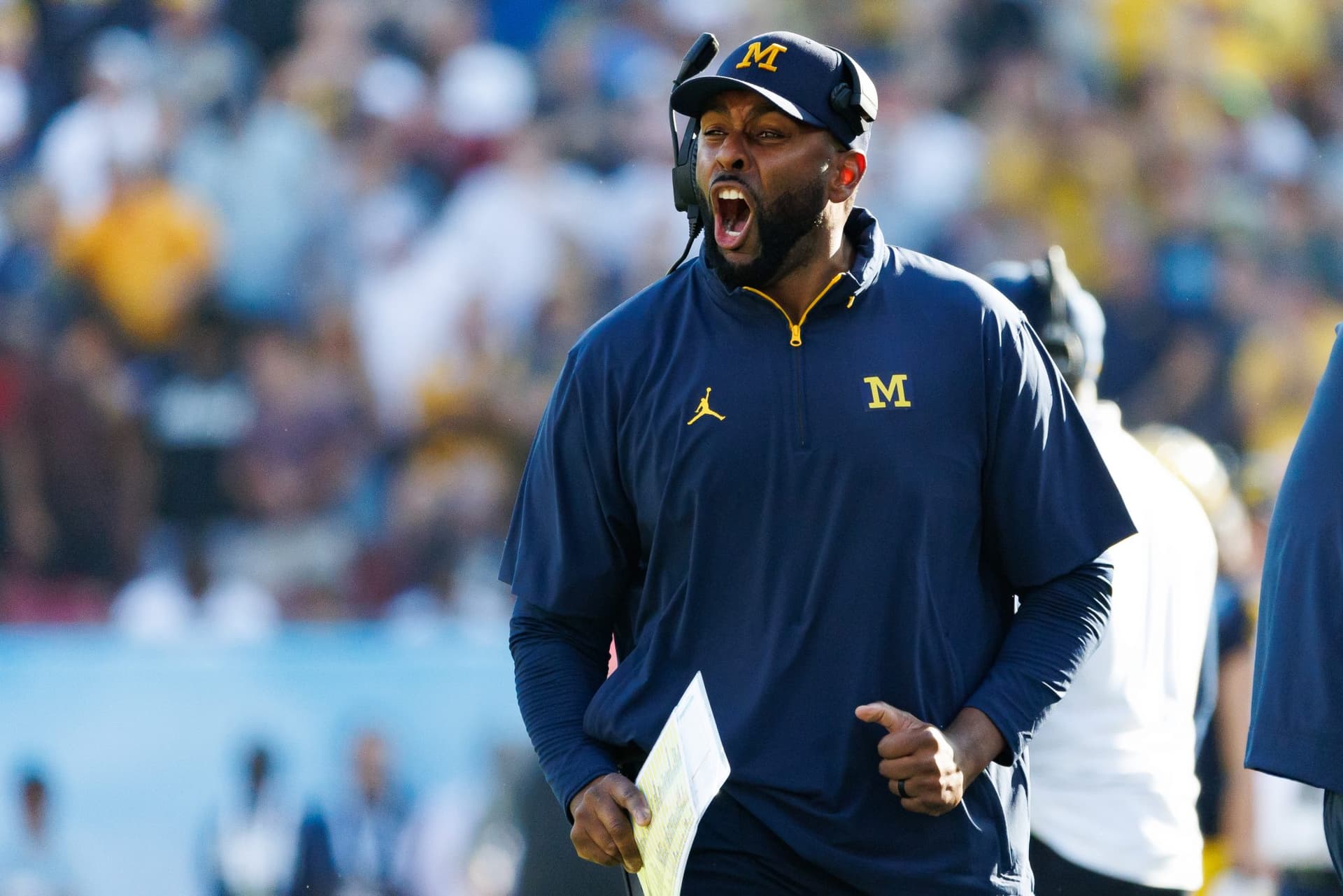
The University of Michigan on Wednesday terminated head football coach Sherrone Moore with cause after an internal investigation concluded there was "credible evidence" that Moore engaged in an inappropriate relationship with a paid staff member, conduct the school said "constitutes a clear violation of university policy." Athletic director Warde Manuel reiterated that the school maintains "zero tolerance for such behavior." Hours after the university announced the firing, Moore was detained by police and was being held in the Washtenaw County Jail as authorities investigated the incident that led to his arrest.
Law enforcement accounts indicate Moore was located and detained the evening of December 10, and Saline police assisted in his initial detention before turning him over to the Pittsfield Township Police Department for further investigation. Local booking records and television reports show Moore in custody late Wednesday. Authorities have not publicly released formal charges, and prosecutors had not filed or detailed criminal charges as of the latest reporting.
The personnel move has immediate financial and organizational consequences for Michigan football. The termination was characterized as firing "with cause," meaning the university said it will not be required to buy out the remaining years of Moore's five year contract. Media reports differ slightly on his salary, with the Associated Press citing a base annual salary of 5.5 million dollars and the New York Times describing his pay as around 5.6 million dollars. Moore, 39, had been promoted from offensive coordinator and was near the end of his second season as head coach, compiling records of 8 and 5 in his debut year and 9 and 3 in the most recent season.
On the field Moore presided over a program still feeling the aftereffects of a national championship season, yet his tenure produced mixed results that had left some donors and boosters uneasy. The sudden removal of a head coach combines that performance scrutiny with reputational and operational risk. The athletic department must now stabilize recruiting, manage transfer portal dynamics and reassure partners, including broadcast and corporate sponsors, that the program can maintain continuity and integrity.

Beyond the immediate football calculus this episode underscores broader industry trends and cultural tensions. Universities are under increasing pressure to move swiftly when allegations involve power imbalances between coaches and subordinate staff, in order to protect employees and institutional reputation. The decision to fire a high paid coach for cause highlights a willingness by some athletic departments to enforce workplace policies and avoid costly buyouts, yet it also raises questions about investigative transparency and due process for all parties involved.
There are larger social implications as well. The case touches on themes of accountability in high profile institutions, the vulnerability of staff members in athletic hierarchies, and the pressures on universities to reconcile criminal investigations with internal disciplinary processes. As Pittsfield Township authorities continue their inquiry and the university withholds further detail while the investigation proceeds, the fallout will be measured not only in wins and losses but in how Michigan rebuilds trust among athletes, staff, donors and the broader community.
Know something we missed? Have a correction or additional information?
Submit a Tip