Minneapolis Protests Over ICE Shooting Lead to 29 Arrests
Overnight demonstrations in downtown Minneapolis tied to a fatal federal enforcement operation left 29 people arrested and a handful of minor injuries, as authorities cleared crowds and protected federal facilities. The unrest highlights deep community mistrust of immigration enforcement, strained investigative coordination, and growing calls for accountability that could reshape local policing and federal oversight.
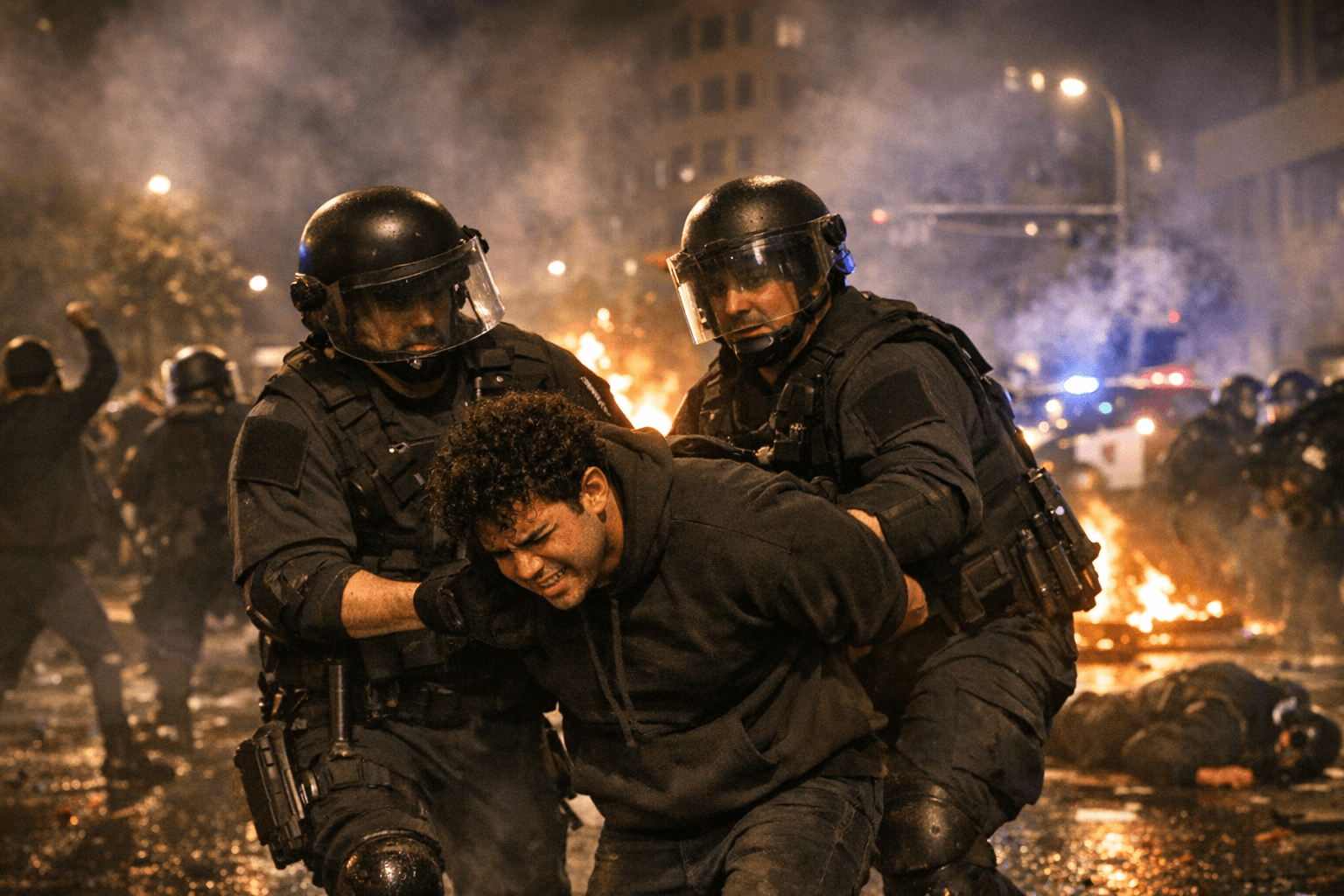
Authorities in Minneapolis arrested 29 people after overnight demonstrations swelled around downtown hotels where protesters believed federal immigration agents were staying. City officials said the majority of demonstrators remained peaceful, but police cleared streets, pushed crowds away from the hotels and made arrests after what they described as property damage and assaults on officers.
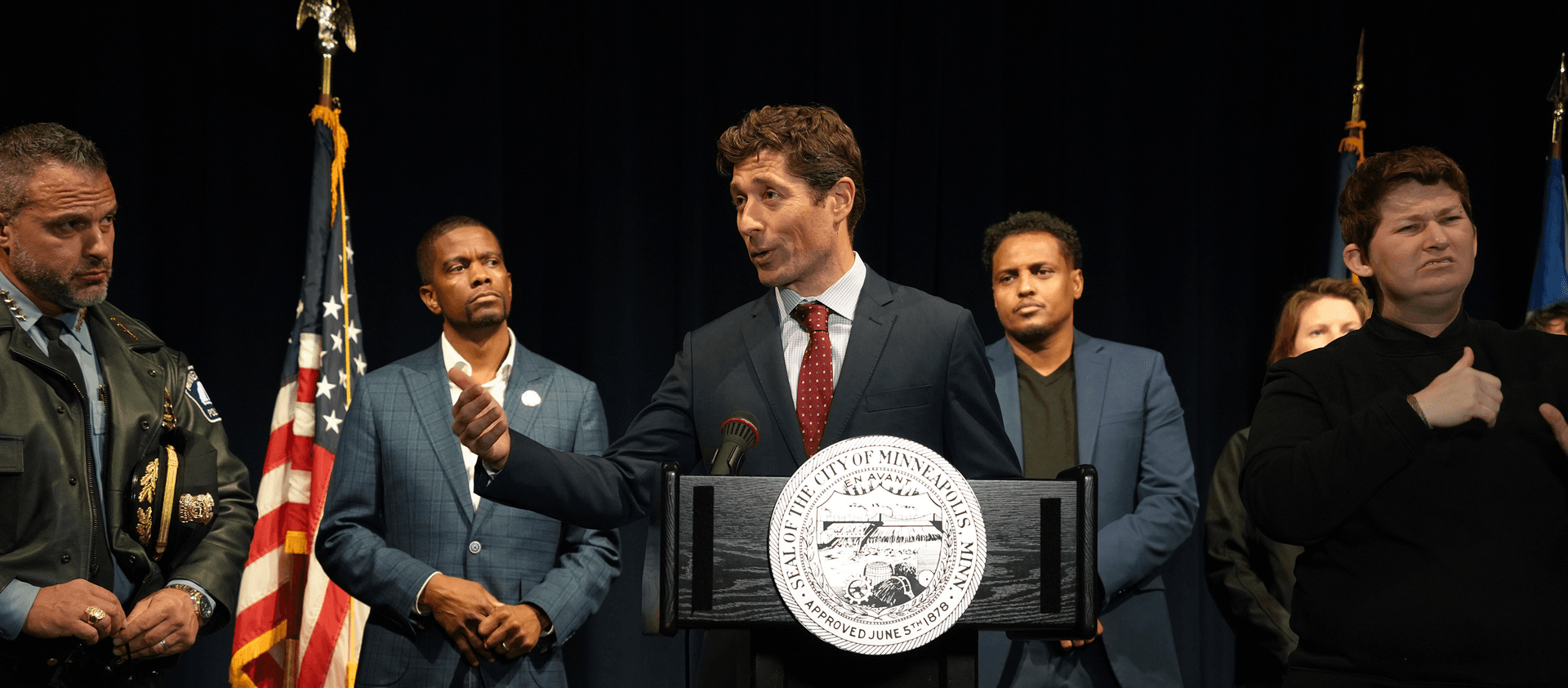
Protesters gathered near the Canopy by Hilton on South Third Street and Park Avenue and at two other downtown hotels. Officials said some demonstrators forced entry into a hotel through an alley entrance, and police reported broken windows, graffiti and projectiles thrown at officers, including snow, ice and rocks. At least one officer sustained a minor injury. City leaders urged calm; Mayor Jacob Frey said, "We will not counter Donald Trump’s chaos with our own brand of chaos," and warned that those who damage property or endanger others would be arrested. Frey has also demanded that Immigration and Customs Enforcement leave the city following the deadly encounter that sparked the protests.
The demonstrations were triggered by the fatal shooting this week of 37-year-old Renee Nicole Good, a mother of three and U.S. citizen, during a federal enforcement operation. Authorities say the officer who fired has been identified as Jonathan Ross; federal officials characterized the use of force as self-defense, while local officials and eyewitnesses have disputed that account. Video of the encounter, reportedly filmed on an agent’s cellphone, has been released; it remains unclear whether the officer who opened fire was wearing a department-issued body-worn camera, which policy requires at the start of enforcement activities.
Investigative arrangements have already shifted in the case. The Minnesota Bureau of Criminal Apprehension withdrew from a planned joint probe, accusing federal investigators of cutting off access to scene evidence and interviews. Federal officials have said the Federal Bureau of Investigation will now lead the investigation exclusively. Three members of Congress from Minnesota attempted to tour an ICE facility in the federal building on Saturday; they were initially allowed entry and later told to leave, and they accused ICE agents of obstructing congressional oversight.
The federal Department of Homeland Security has expressed concern about attacks on agents, with Assistant Secretary Tricia McLaughlin noting an increase in assaults and saying, "The First Amendment protects speech and peaceful assembly — not rioting, assault and destruction," while emphasizing measures to protect officers and public safety. Activist groups had planned coordinated demonstrations across multiple states the same weekend, amplifying protests sparked by Good’s death and a recent Border Patrol shooting in Oregon.
Beyond arrests and property damage, public health and community leaders warn of longer-term consequences. Crowded demonstrations and aggressive crowd control measures strain local emergency response and can interrupt access to health services for vulnerable residents, including immigrant communities already fearful of interacting with law enforcement. The episode underscores unequal power dynamics in federal enforcement and fuels demands from advocates for transparent investigations, independent oversight and policy changes to prevent further loss of life.
As the investigation proceeds, city and state officials face growing pressure to balance public safety with the right to protest and to address systemic grievances that have driven community outrage. The unfolding inquiries will be closely watched for both accountability and their implications for federal immigration operations in American cities.
Know something we missed? Have a correction or additional information?
Submit a Tip