Mistrial in Broward opioid case raises questions for Walmart
A Broward County trial brought by 16 hospitals against pharmacy chains including Walmart ended in a mistrial after jurors could not reach a unanimous verdict. The outcome matters to store level pharmacy associates and corporate compliance teams because the litigation targeted pharmacy dispensing practices and could prompt operational and policy changes.
A trial in Broward County, Florida that pitted 16 hospitals against major pharmacy chains including Walmart, CVS and Walgreens concluded in a mistrial on December 8, 2025 after jurors failed to reach a unanimous verdict. Jurors had deliberated for 14 days before reporting they could not agree, and one juror was dismissed during deliberations after a dispute.
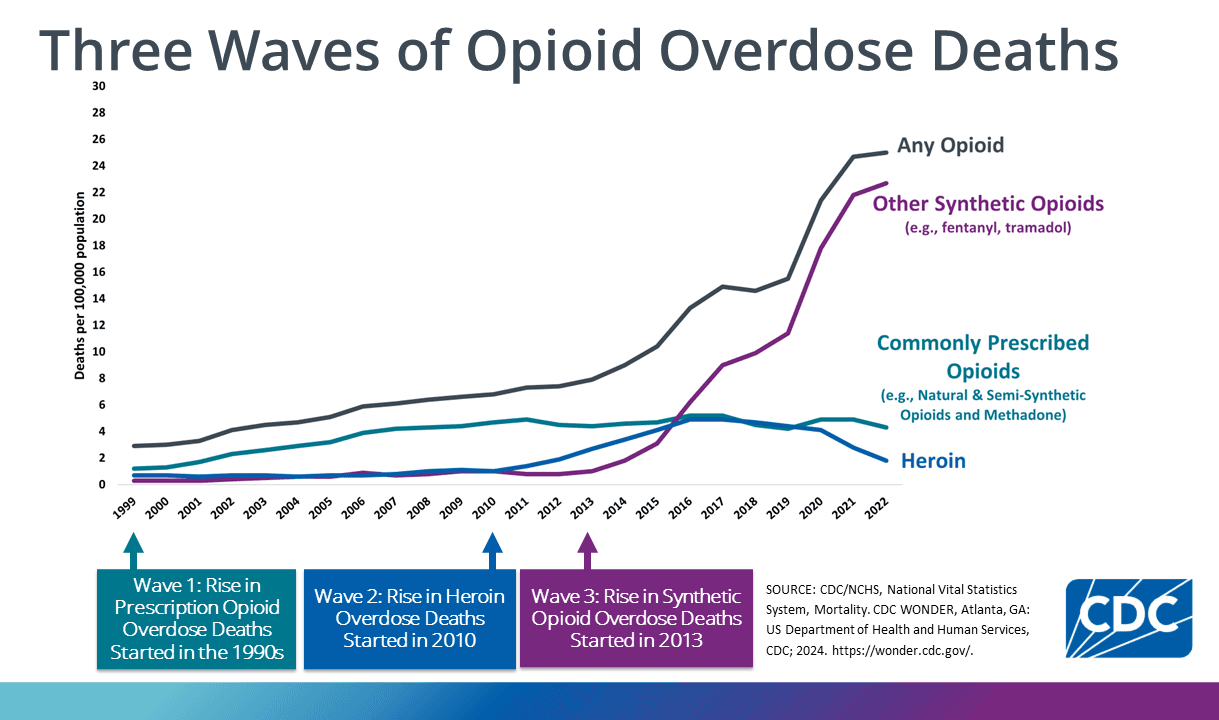
The hospitals had accused the pharmacies of violating Florida anti racketeering law by contributing to widespread opioid dispensing that increased local treatment costs and unpaid hospital bills. Plaintiffs sought to recover hundreds of millions of dollars in those costs and argued that pharmacies conspired with drug companies to drive opioid sales. The pharmacy chains denied any conspiracy and said they legally dispensed prescriptions under prevailing rules and procedures.
The mistrial leaves unresolved legal and financial exposure for the pharmacy defendants, and may lead to a retrial as soon as April. A new trial would prolong uncertainty for workers at the store level and for corporate teams charged with compliance and litigation response. Pharmacy staff could see renewed scrutiny of dispensing practices, documentation requirements and refusal to fill protocols as companies aim to limit future legal risk.

Operational changes could include tighter internal reviews, additional training for pharmacists and pharmacy technicians, and more aggressive use of prescription monitoring tools. Those steps could increase workload for front line associates and shift responsibilities toward more compliance and record keeping. Corporate compliance teams may face pressure to demonstrate improved oversight, and public facing policies on prescription fills and customer communications could be adjusted to manage reputational risk.
Beyond immediate workplace impacts, the case highlights the intersection of litigation and day to day pharmacy operations. Whether the hospitals pursue another trial or seek settlement, the litigation has already signaled to employers and workers that opioid related regulatory and legal risks can ripple through store staffing, training priorities and customer interactions. The mistrial preserves those questions and leaves open both legal and workplace changes in the months ahead.
Sources:
Know something we missed? Have a correction or additional information?
Submit a Tip