Retail loss prevention AMA reveals frontline safety and enforcement realities
An Ask Me Anything thread posted December 9, 2025 by someone who said they spent a decade in retail loss prevention drew detailed accounts of how store teams balance deterrence, evidence gathering and associate safety. The discussion matters to Walmart employees and other retail workers because it highlights practical limits of surveillance and apprehension, the emotional toll of investigating theft, and gaps employers can address in training and communications.
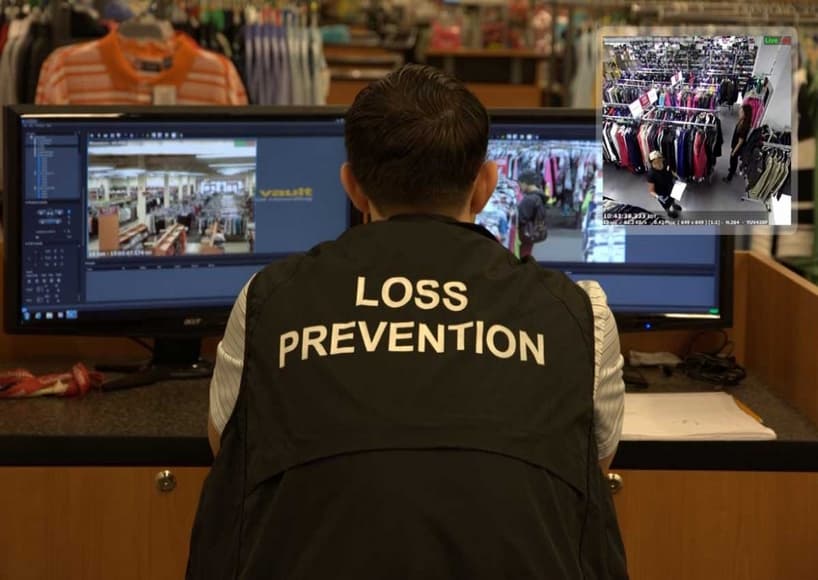
An anonymous Ask Me Anything thread posted December 9, 2025 by a person who said they worked in retail loss prevention for a decade provided a rare, granular look at what happens on the store floor when theft and internal inventory losses occur. The poster and respondents described how asset protection teams prioritize deterrence and building admissible evidence, while explicitly limiting physical confrontation in order to protect associates and customers. That balance shapes how incidents are handled from first detection through potential prosecution.
Participants in the thread laid out how stores use surveillance, witness statements and point of sale data to assemble cases, and they described the practical limits of video coverage and real time monitoring. Many contributors emphasized that stores often advise frontline staff not to pursue suspected shoplifters, reflecting a safety first approach that favors documentation over confrontation. The thread also noted variation across retailers on thresholds for referring cases to law enforcement and pursuing criminal charges, a difference that affects both loss rates and associate exposure to danger.
Beyond procedural detail, the thread exposed the personal cost for employees who routinely confront theft or are asked to investigate coworkers. Several posts described the emotional strain of reporting a colleague and the moral complexity that can follow an internal investigation. Repeated interactions with shoplifting incidents were also cited as a source of stress and burnout for loss prevention and sales associates alike.

For Walmart and other large retailers, these frontline perspectives offer actionable context for workplace safety planning, associate training and internal communications. Clear guidance on nonconfrontational response, realistic expectations about what surveillance can and cannot prove, consistent thresholds for escalation, and support for employees involved in investigations can reduce risk and improve morale. The conversation also underscores the value of communicating prosecution practices to staff so they understand how and when incidents will be escalated.
The December 9 thread is not a formal study, but it supplies timely worker testimony on enforcement practices, safety trade offs and the human consequences of policing losses at retail stores. Managers who want to protect employees and inventory will need to weigh those on the ground realities when updating policies and training.
Sources:
Know something we missed? Have a correction or additional information?
Submit a Tip