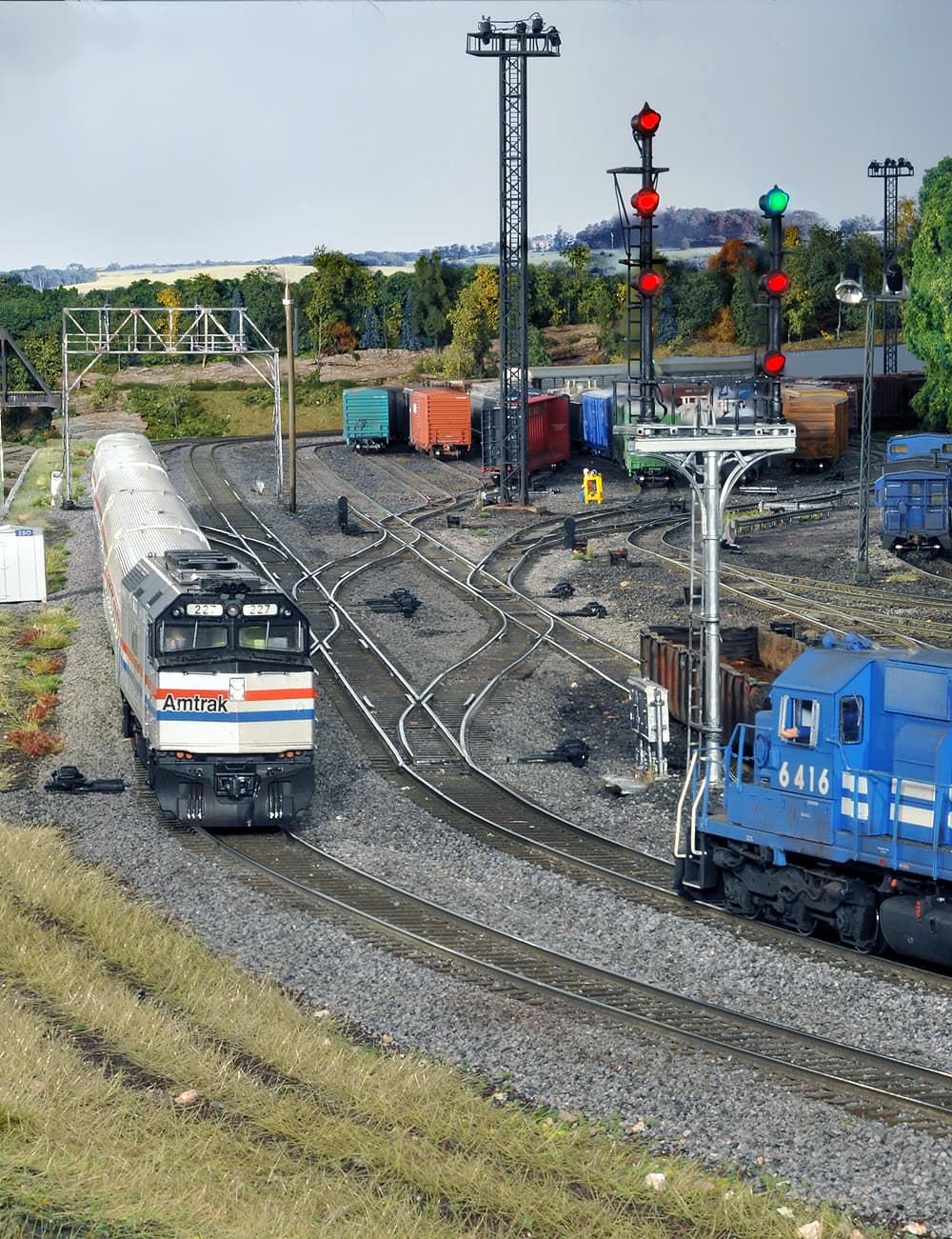
Model Railroader Expands Practical DCC and Electronics How-To Library
Model Railroader on Trains.com maintains an extensive how-to library and shop resources that focus on practical skills such as DCC installation, decoder selection, wiring, and scale-specific tips. The collection of short articles, full booklets, and video walkthroughs makes complex tasks like booster wiring and Arduino layout automation more accessible to builders at every experience level.

Model Railroader on Trains.com now offers a deep, hands-on resource set aimed at making digital command control and basic electronics approachable for model railroaders. The site groups short how-to articles, full instructional booklets, and step-by-step video walkthroughs into a practical library that covers DCC installation and wiring, decoder selection and installation, scale-specific DCC tips, and projects that integrate Arduino and layout automation.
At the top of the offering are concise DCC installation guides and longer booklets that walk through basic DCC wiring and complete decoder installs. Video demonstrations illustrate common shop tasks, such as soldering motor leads, routing wires for a sectioned layout, and setting up boosters for divided power districts. The site also highlights scale-specific techniques, recognizing that HO, N, and O scale operations require different wiring practices and space considerations.
Practical value is immediate. Verify decoder compatibility with your locomotive before purchase, and use the step-by-step decoder install booklet to map motor, lighting, and function leads correctly. Watch the DCC wiring and booster videos before reworking track power so you can see common pitfalls such as insufficient feeder spacing or improper section isolation. For layout operators experimenting with automation, study the Arduino integration projects to understand how microcontrollers can manage turnout logic, occupancy detection, and automated sequences, then test on a small workbench layout before deploying on a larger system.
The site’s integrated shop resources simplify sourcing parts. Identify recommended decoders and wiring supplies, compare form factors for tight chassis fits, and choose boosters and power supplies sized to your layout’s current draw. For those upgrading from analog, start with a basic DCC wiring booklet and a single-programming track to learn addressing and CV programming, then expand to boosters and sectioned power as confidence grows.

Community impact is significant. These practical resources lower the barrier to entry for newcomers while giving experienced builders clear reference material for advanced projects. Layout clubs can use the videos and booklets as training tools for new members, and operators can standardize wiring practices across modular segments to reduce troubleshooting time at meets.
For direct access to the library and shop, visit trains.com/mrr?utm_source=openai.
Sources:
Know something we missed? Have a correction or additional information?
Submit a Tip