Momentus, Velo3D Produce 3D-Printed Fuel Tank for Flight
Momentus announced on January 5, 2026 that it developed an additively manufactured fuel tank in collaboration with metal AM specialist Velo3D, and plans to flight test the tank on its Vigoride-7 orbital service vehicle. The move signals growing confidence in metal 3D printing for mission-critical space hardware and suggests downstream benefits for tooling, materials, and service options that the maker community will eventually see.
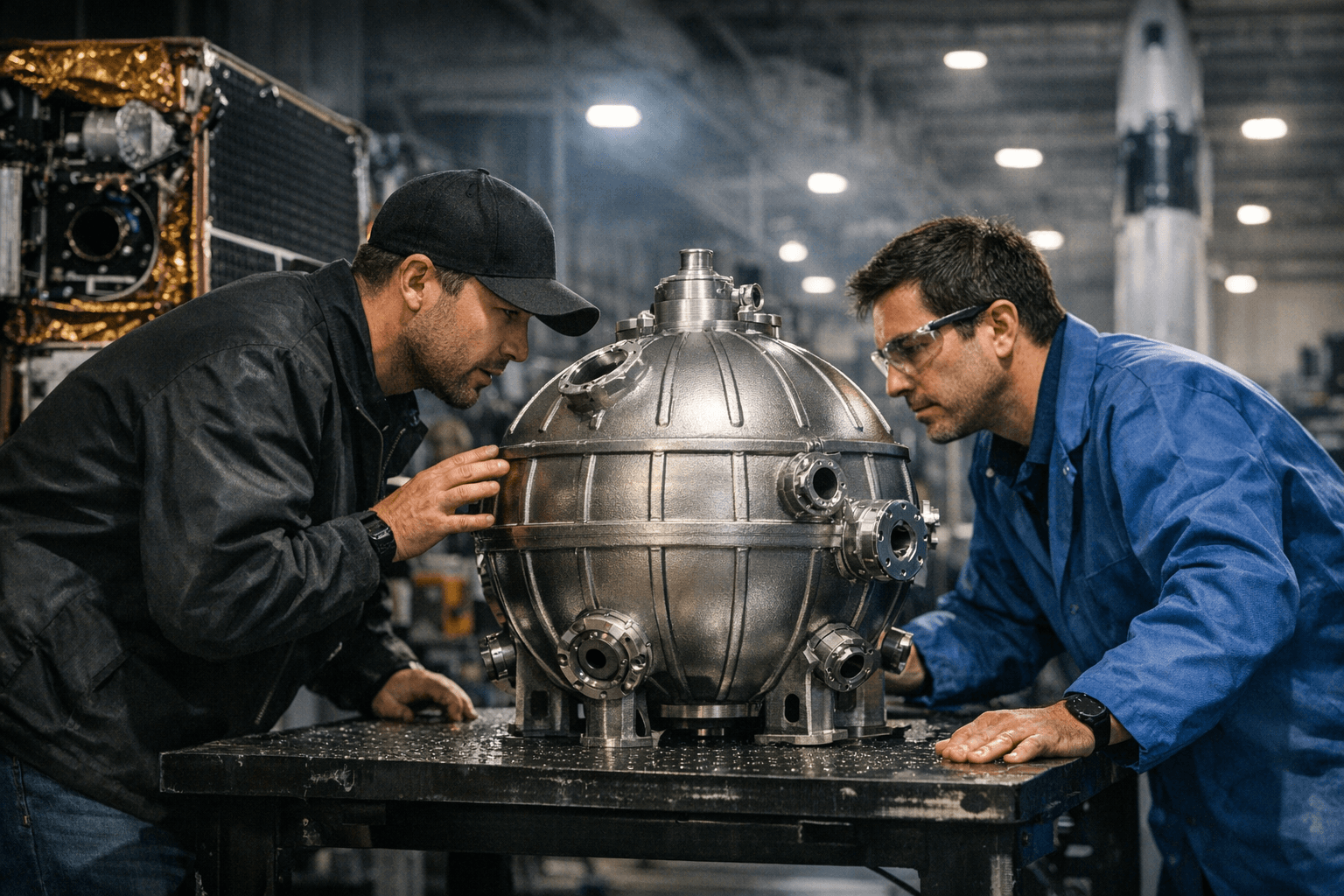
Momentus revealed on January 5, 2026 that it has developed a fuel tank produced by additive manufacturing in partnership with metal AM specialist Velo3D. The additively manufactured tank is scheduled for flight testing aboard Momentus’s Vigoride-7 orbital service vehicle, marking a clear step toward qualifying 3D-printed components for spaceflight.
The company said metal 3D printing enabled tank geometries and production timelines that were not feasible using conventional manufacturing. Momentus plans to qualify additively manufactured tanks as a route to lower cost and shorten lead times for space-rated fuel systems. Those aims reflect broader industry pressure to compress schedules and cut expense without sacrificing performance or reliability.
For the 3D printing community, the announcement matters beyond the headline of a single flight test. This development demonstrates continued maturation of metal AM into mission-critical applications, and that maturation tends to drive improvements in downstream tools, powder and wire materials, post-processing methods, and quality assurance practices. Those improvements create practical opportunities for makers and small shops: more capable service bureaus, clearer process documentation, and better access to validated materials over time.
Verify material datasheets and process parameters when evaluating metal AM parts, especially for pressure-containing or safety-critical uses. Expect that qualification for spaceflight will require extensive testing and certification, so immediate consumer-market changes will arrive gradually rather than overnight. Still, the technical lessons and supply-chain investments that follow a successful flight test can shorten lead times for non-flight applications, push down costs through scale, and motivate suppliers to adopt tighter traceability and inspection routines that benefit prosumer users.
Watch the Vigoride-7 mission results for concrete data on performance, inspection outcomes, and any follow-on qualification steps. If the test demonstrates the claimed advantages in geometry and timeline, the ripple effects will include broader confidence in metal 3D-printed pressure vessels and a clearer pathway for advanced designs to move from conceptual models on a desktop to engineered, flight-ready hardware. That pathway is one of the most relevant trends for the community to track in 2026.
Sources:
Know something we missed? Have a correction or additional information?
Submit a Tip