Monroe County Public Beaches and Launch Points, What Residents Need
This article compiles a concise guide to Monroe County public beaches, parks and small boat and kayak launch points, detailing access, parking, ADA information, wildlife seasons and regulations. The information matters because local residents and visitors rely on these public assets for recreation, conservation and local economic activity, and clear rules and funding priorities shape how those resources are used and preserved.
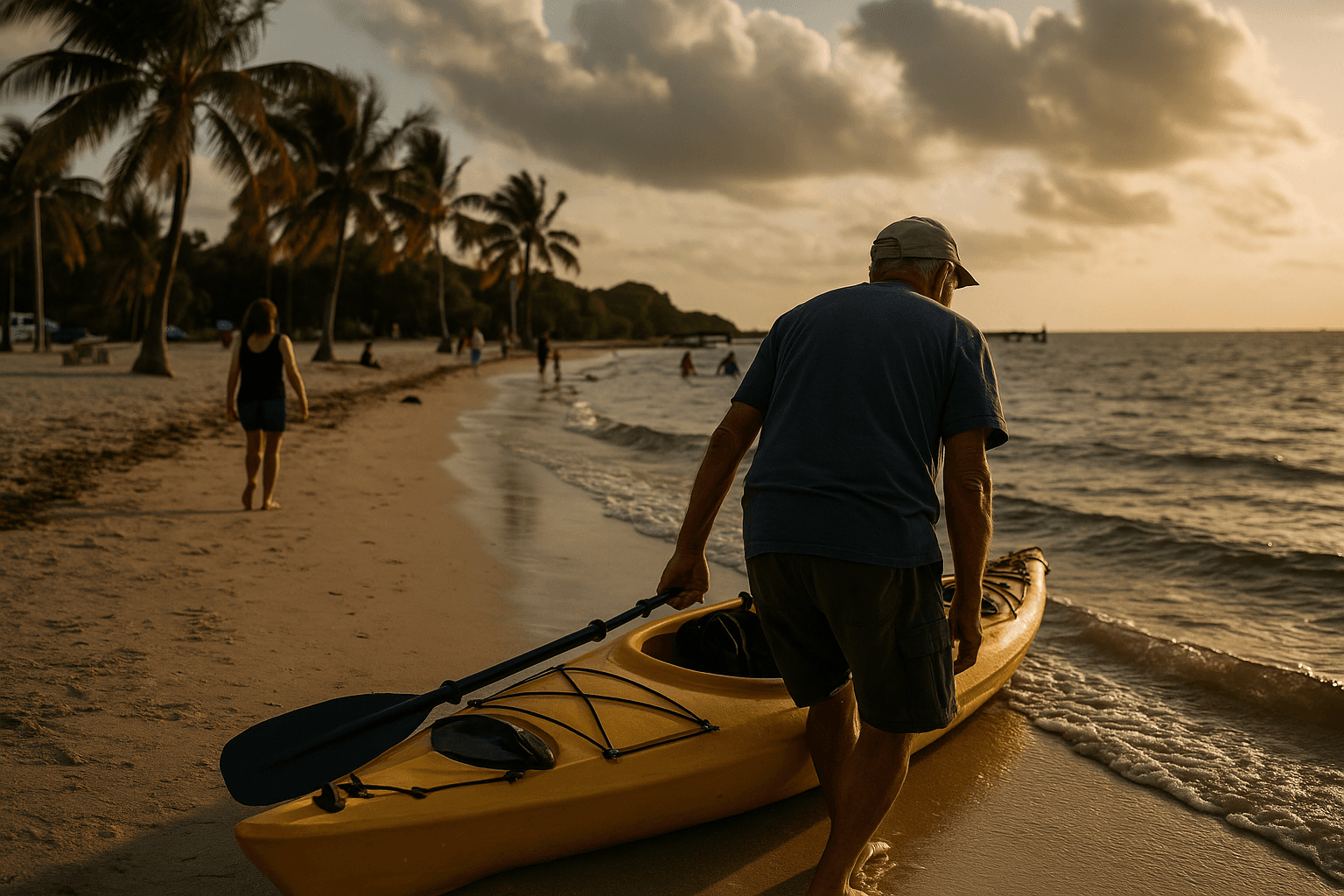
Monroe County offers a network of state parks, municipal beaches and carry in launch sites that together support recreation, tourism and conservation across the Keys. Key destinations include Fort Zachary Taylor Historic State Park in Key West for beach access and snorkeling, Higgs Beach and Smathers Beach in Key West for family friendly shorelines, Curry Hammock State Park in the Middle Keys for paddling and camping, Long Key State Park in the Upper and Middle Keys for nature trails and kayak launches, and Bahia Honda State Park in the Lower Keys for iconic beaches and snorkeling. Municipal launch sites provide carry in boat and kayak access in Marathon, Islamorada and Key Largo.
Practical conditions vary by site. State parks typically charge entry or parking fees and provide marked ADA access in key areas, while municipal launches and beaches may have different parking rules and hours set by local governments. Sea turtle nesting season requires seasonal protections on many beaches, and local ordinances govern pets, fires and shoreline protection to minimize disturbance to wildlife and erosion. Visitors should check current hours, fees and posted rules at the location they plan to use.
The distribution of management responsibilities matters for residents. State parks are overseen by the state agency, while municipal sites fall under city or county control. That split affects budget priorities for maintenance, restroom facilities, parking enforcement and ADA improvements. Decisions about fee levels, permitting for events and enforcement of wildlife protections are made at different institutional levels, and those choices influence equitable access for residents without vehicles, the cost of family outings and the condition of natural areas relied on by both locals and tourists.
Policy implications are immediate for Monroe County governance. Funding allocations during municipal budget cycles determine staffing for launches, lifeguard coverage and habitat restoration. Voter engagement in local elections and participation at city council and county commission meetings shape how those priorities are set. Civic oversight can press for clearer signage about rules and nesting seasons, expanded ADA access where feasible, and transparent fee structures that balance maintenance needs with public access.
For practical use, the county network provides year round opportunities for swimming, snorkeling, paddling and beachgoing, but ongoing maintenance, enforcement and habitat protections require active public input and clear policy choices from state and local officials.
Sources:
Know something we missed? Have a correction or additional information?
Submit a Tip