Montana Limits Deer Tags to Protect Mule Deer Populations
At an eight hour meeting in Helena on December 4 the Montana Fish and Wildlife Commission adopted a package of deer hunting rule changes aimed at reducing pressure on public land and aiding declining mule deer populations. The new rules cut nonresident tag availability and capped seasonal harvests, measures that may affect local outfitters and hunting access in Lewis and Clark County.
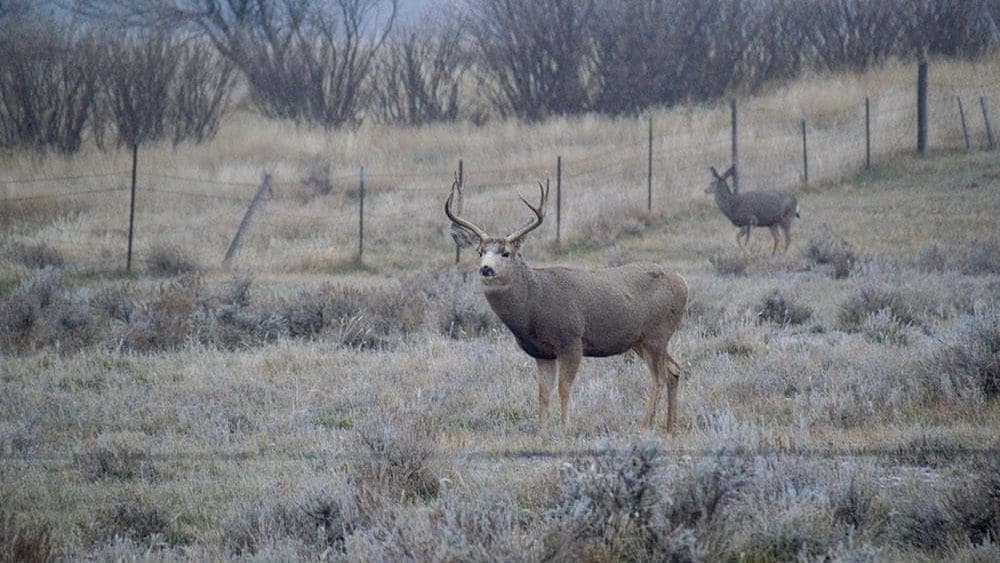
The Montana Fish and Wildlife Commission voted on December 4 to adopt multiple rule changes designed to curb crowding and overharvest on public land and to bolster falling mule deer numbers. Commissioners met for eight hours in Helena before approving a roughly 2,500 license reduction in available nonresident deer tags for the 2026 to 2027 seasons, a lower seasonal harvest cap set at three deer per hunter, and tighter limits on the number of antlerless B tags issued on public land in many regions.
Montana Fish, Wildlife and Parks estimated the changes will reduce license revenue by about $1.7 million annually. Commissioners acknowledged the financial hit and said the measures will have downstream effects on outfitting businesses and rural economies that rely on nonresident hunters, but they cited public comment and population monitoring as the rationale for the action. The rules include regional exceptions and grant the Commission authority to revisit policies as new monitoring data arrive.
For residents of Lewis and Clark County the most immediate impacts are likely to be on access and local guiding services. Helena based outfitters and service providers that host nonresident hunters may see fewer bookings for the 2026 to 2027 seasons. Hunters who use public lands should expect changes in the number of B tags available in adjacent regions and plan for the new three deer seasonal limit when preparing for next season.

The Commission stressed that the package targets public land crowding and overharvest by shifting tag availability and tightening harvest limits rather than by enacting blanket closures. Regional exceptions aim to preserve hunter opportunity where mule deer populations and local conditions allow. Officials also emphasized that the rules are part of an adaptive approach, to be evaluated against future survey results and adjusted if monitoring shows recovery or unexpected impacts.
Local leaders and hunting businesses now face a period of adjustment as the state implements the new rules and collects further data. Hunters planning for the 2026 to 2027 seasons should review updated regulations and tag allocations as they are posted, and communities that depend on hunting related income may need to consider how to adapt to reduced nonresident participation.
Sources:
Know something we missed? Have a correction or additional information?
Submit a Tip