More Than Two Dozen Endangered Turtles Rescued, Brought to Keys
Twenty five critically endangered Kemp's ridley sea turtles were rescued after cold stunning off New England and flown to the Florida Keys for emergency treatment and rehabilitation. The coordinated response highlights climate related risks to marine wildlife and the role Monroe County facilities and volunteers play in regional conservation efforts.
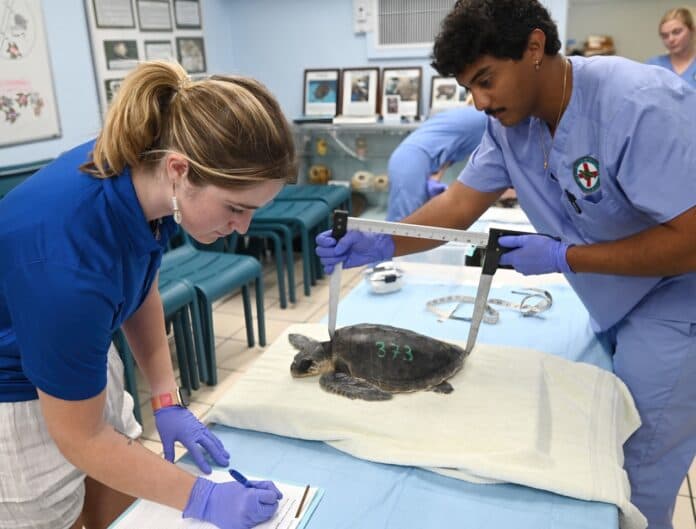
Twenty five Kemp's ridley sea turtles arrived in the Florida Keys on December 9 after being rescued from cold stunned conditions in waters off New England. The juveniles were transported from a temporary holding center at the New England Aquarium to Florida Keys Marathon International Airport in banana boxes and moved to the Turtle Hospital in Marathon for evaluation and care.
Cold stunning is a hypothermic reaction that occurs when sea turtles are exposed to cold water for prolonged periods. The condition typically causes turtles to stop eating and swimming and can lead to pneumonia and other serious illnesses. After arrival, hospital staff conducted exams including bloodwork and imaging to test for pneumonia, infections, and other ailments, with treatment and rehabilitation plans determined by test results.
Turtle Hospital manager Bette Zirkelbach placed the rescues in a broader context, linking the event to changing migration and water temperature patterns. “Because of global warming, the turtles remain in the bay off Cape Cod longer than normal and, when severe cold weather suddenly moves in, the little turtles get trapped,” Zirkelbach said. She emphasized the species vulnerability, noting that Kemp's ridley sea turtles are the most endangered of all sea turtle species and explaining the physiological risk. “Sea turtles … take on the temperature of the air and the water surrounding them, because they are unable to regulate their own body temperature,” Zirkelbach said. “Anything below 50 degrees Fahrenheit can become a mortality event for a sea turtle.”
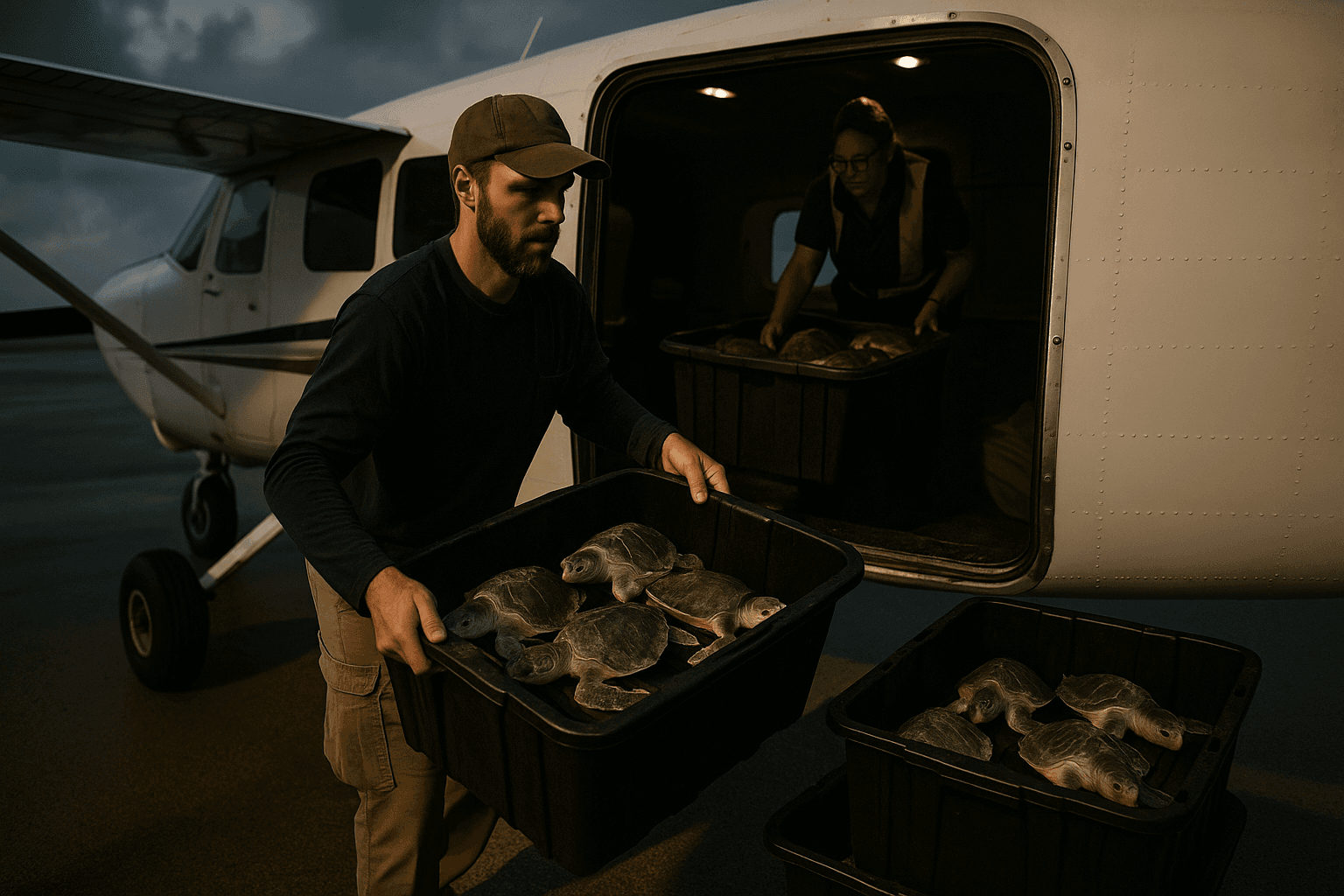
Zirkelbach credited the rescue and transport to a network of volunteers and partner organizations. “It’s a massive effort combined with many organizations that rescue these turtles right at the site,” she said. “There’s an incredible organization, ‘Lighthawk,’ where volunteer pilots fly these turtles down to warmer places.” The pilots donated aircraft time, fuel, and logistical support to move the animals quickly to treatment facilities.
For Monroe County residents, the incident underscores the local role in regional wildlife response and the demands placed on rehabilitation infrastructure each winter. The Turtle Hospital is monitoring the juveniles as they warm, feed, and recover in outside tanks, with plans to return healthy animals to warmer waters when medically cleared. The episode also serves as a reminder of how climate variability can increase wildlife emergencies and the importance of coordinated rescue capacity across state lines.
Sources:
Know something we missed? Have a correction or additional information?
Submit a Tip