NASA administrator defends pause in-person services at Goddard library
NASA paused in-person services at Goddard's main onsite library; administrator framed it as consolidation and digitization, while the union raised preservation and morale concerns.
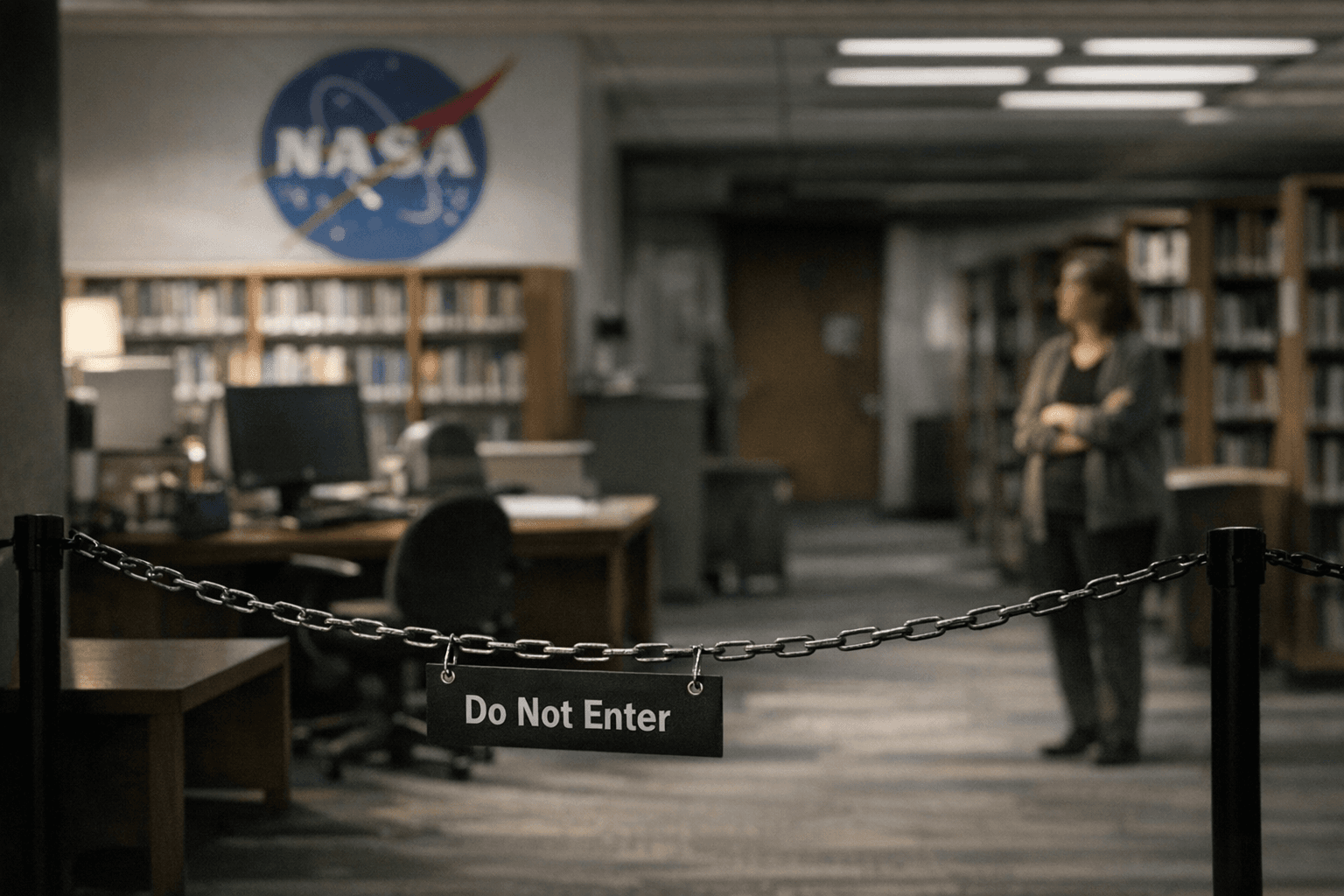
NASA Administrator Jared Isaacman visited Goddard Space Flight Center on January 9 and publicly defended the agency's decision to pause in-person services at the center's largest onsite library, framing the move as part of a longer-term facilities consolidation and digitization effort that predates his tenure. Agency leadership said the action is intended to prioritize mission work and to streamline physical holdings as part of broader space agency housekeeping.
The agency announced a 60-day review of the library collection to determine which materials will be preserved in physical form and which will be digitized. That review is central to the immediate dispute: officials characterize it as a measured step toward modernizing access to technical and historical materials, while union representatives say it risks permanent loss and will deepen staff distrust.
The International Federation of Professional and Technical Engineers, which represents many Goddard employees, criticized the pause and the broader consolidation approach. Union leaders contend the center's master plan did not call for elimination of the library and warned that removing in-person access threatens staff morale, hands-on technical knowledge transfer, and the preservation of historically valuable documents and technical reports tied to decades of spaceflight work.
Goddard is a major employer and research hub in Prince George's County, and its onsite library has long served scientists, engineers, contractors and local students seeking technical references that are not always available online. The pause in services could disrupt day-to-day work for staff who rely on physical archives, and it raises questions about how easily county residents and regional researchers will be able to consult specialized collections going forward.
From a policy and institutional perspective, the dispute highlights competing priorities inside large federal facilities: operational efficiency and digital transition on one hand, and stewardship of physical archives, workforce morale and community access on the other. The disagreement over whether the center's master plan contemplated library elimination points to a larger governance gap that county leaders and congressional oversight offices may need to scrutinize if the review recommends substantial cuts or relocations.
For residents and county stakeholders, the immediate practical concern is access and preservation. Monitor the results of the 60-day review, ask clear questions about which collections will remain physically available, and press for transparency in decisions that affect local research capacity and historical recordkeeping.
The takeaway? Stay engaged, push for clear timelines and inventories, and treat the library review as a local accountability issue that matters to researchers, employees and the broader Prince George's County community.
Sources:
Know something we missed? Have a correction or additional information?
Submit a Tip