Speaker’s new session agenda raises stakes for Prince George’s budget, services
House Speaker Joseline Peña‑Melnyk unveiled priorities that confront a roughly $1.5 billion state shortfall and push on immigration, health care, housing and energy — all with direct effects on Prince George’s County.
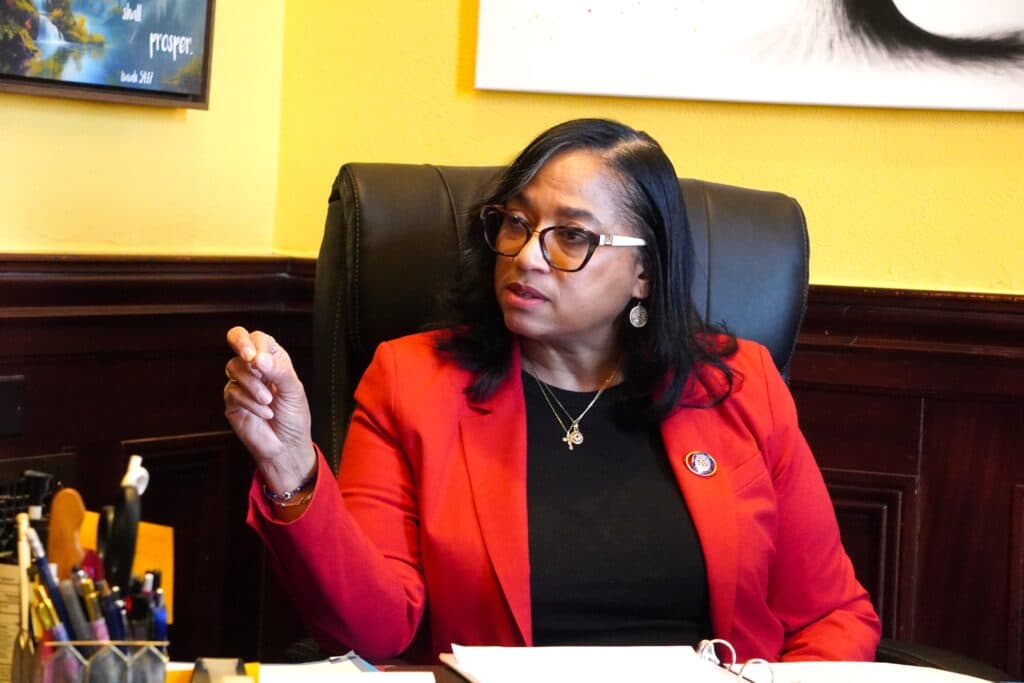
House Speaker Joseline Peña‑Melnyk opened the 2026 legislative session with an agenda that puts Prince George’s County squarely in the crosshairs of this year’s budget and policy fights. Lawmakers must grapple with a roughly $1.5 billion state shortfall while advancing proposals on immigration policy, affordable health care, housing and energy — items that intersect with county priorities and local services.
On Jan. 12 the speaker laid out priorities that will shape committee work and the pace of appropriations, and early committee assignments placed several members of the Prince George’s County delegation onto panels that will oversee budget decisions, housing initiatives and energy policy. Those placements increase the delegation’s leverage but also raise the pressure to make hard fiscal choices as the General Assembly confronts a sizable deficit.
The immediate local impact is financial and practical. A state shortfall of this magnitude typically forces debate over reductions in state aid, delays to capital projects and tighter competition for grant funding that county agencies use for schools, public safety, transit and human services. At the same time, proposed investments or policy shifts on housing and energy could bring new resources or regulatory changes — for example, funding streams aimed at affordable housing, energy efficiency upgrades or community resilience projects — but those outcomes depend on how lawmakers balance cuts and new spending under a constrained budget.
Immigration policy and affordable health care were singled out as session priorities. Changes at the state level can alter eligibility for state-funded services, the capacity of community clinics, and how local providers coordinate care for immigrant residents. Prince George’s County, with its diverse population and network of safety‑net providers, will be watching for measures that affect access to primary care, mental health services and public health funding.
Committee assignments are critical because they determine which bills get hearings and how budget language is shaped. Delegation members positioned on budget and housing-related committees can influence whether county-led priorities move forward or stall. That dynamic will play out in hearings and budget markups over the coming weeks, when local stakeholders will need to press their case.
The takeaway? Stay engaged with your county delegation and monitor committee calendars. Testify at hearings when key bills are up, and contact delegates about priorities tied to school funding, housing commitments and local energy projects. Our two cents? The next month will set the tone for how state dollars and policies land in Prince George’s — show up, make your voice heard, and hold leaders to the impact their choices will have on local services and neighborhoods.
Sources:
Know something we missed? Have a correction or additional information?
Submit a Tip