Navajo Council Adopts Uniform Utility Service Agreements, Streamlines Process
The Navajo Nation Resources and Development Committee approved Legislation No. 0262 25 on December 1, adopting updated Service Line Agreement rules and a standard form to govern utility connections across the Nation. The change centralizes filing with the Bureau of Indian Affairs and coordination with the Navajo Land Department, a move that could reduce permitting delays and affect infrastructure projects in McKinley County.
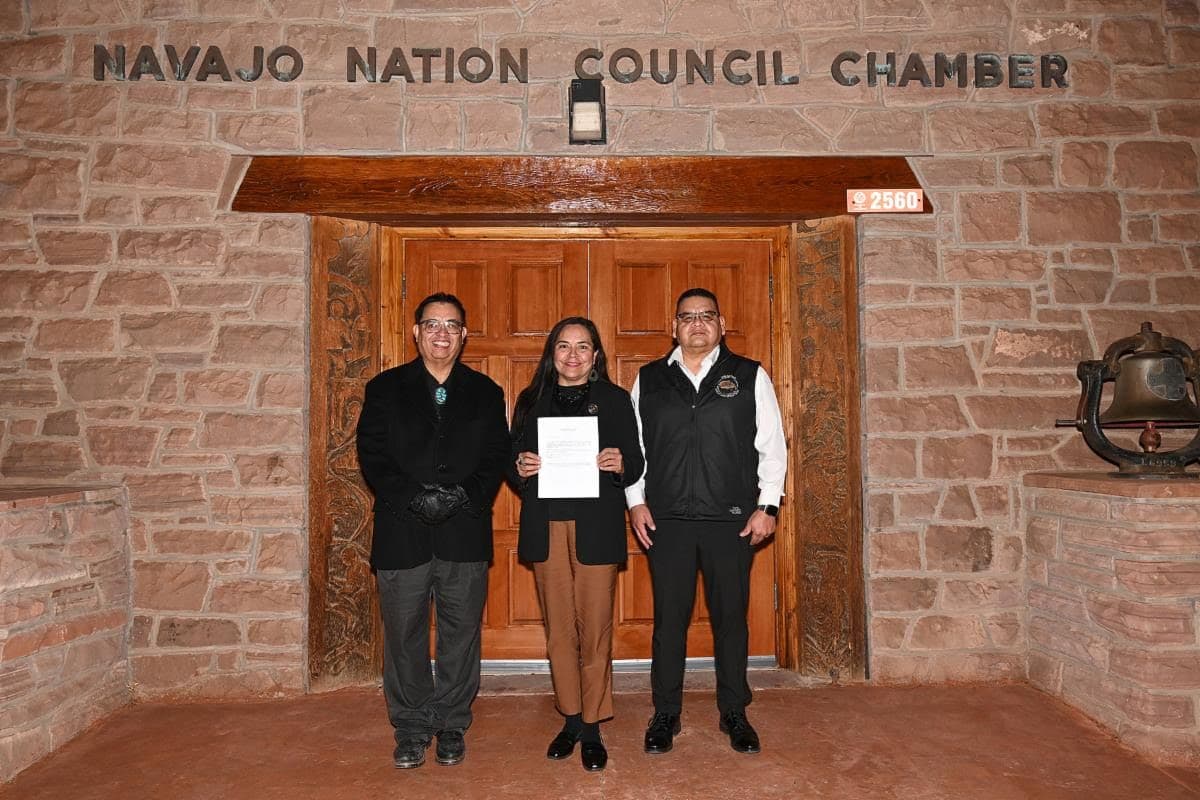
The Resources and Development Committee approved Legislation No. 0262 25 on December 1, replacing earlier provisions RCF 19 00 and RDCS 96 17 with a uniform Service Line Agreement framework for utility connections. The new rules require utility providers and right of way grantees to file completed Service Line Agreements with the Bureau of Indian Affairs and to provide copies to the Navajo Land Department. Where land use authorizations are not in place, the Navajo Land Department Manager retains approval authority.
The legislation aligns Service Line Agreement procedures with federal regulations at 25 C.F.R. sections 169.51 to 169.56. Committee leadership described the reforms as intended to reduce inconsistencies and delays that previously hindered project progress while maintaining federal compliance and clearer land use coordination. For communities in McKinley County including Gallup and surrounding chapters, the revisions are likely to affect timing for connections to power, water, sewer, and broadband infrastructure on tribal trust lands.
Under the new process, project sponsors will need to incorporate the standardized Service Line Agreement into their permitting and right of way workflows. Filing with the Bureau of Indian Affairs creates a formal federal record of utility authorizations, which may streamline review for projects that rely on federal funding or oversight. Requiring copies to the Navajo Land Department is intended to strengthen internal coordination and to provide the Nation with a single reference point for land use approvals.
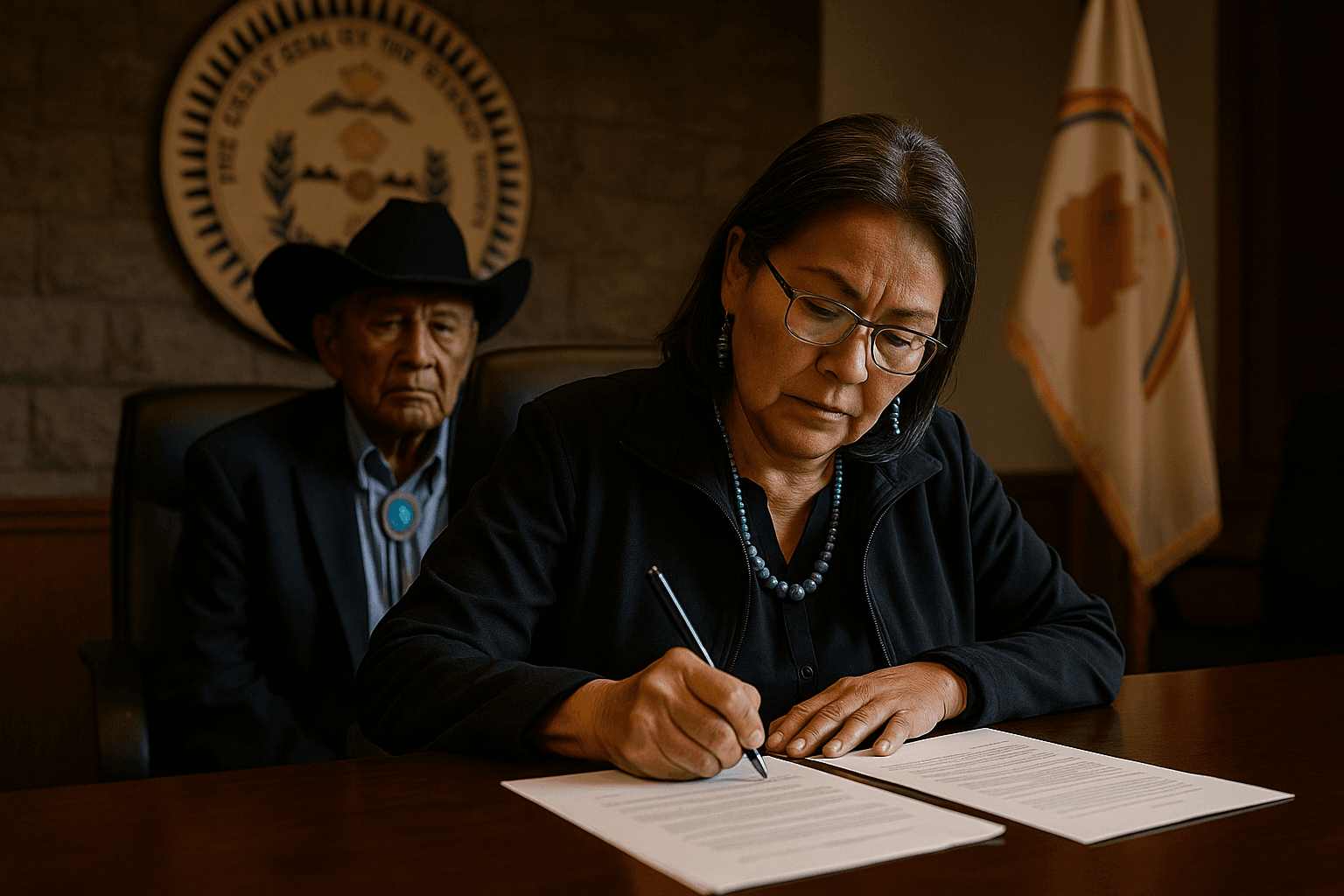
Local officials and developers should expect more predictable procedures, but the consolidation of approval authority in the Navajo Land Department Manager where authorizations are absent may raise questions about administrative capacity and transparency. Clear timelines, staffing and appeals procedures will determine whether the changes reduce delays in practice. For residents awaiting service connections, the new rules offer the potential for faster deliveries, but that outcome will depend on implementation and interagency coordination.
As the Nation and federal partners operationalize the updated Service Line Agreement form, McKinley County stakeholders will need to monitor how filings are processed, how the Navajo Land Department applies its approval authority, and how the changes affect schedules for planned infrastructure work.