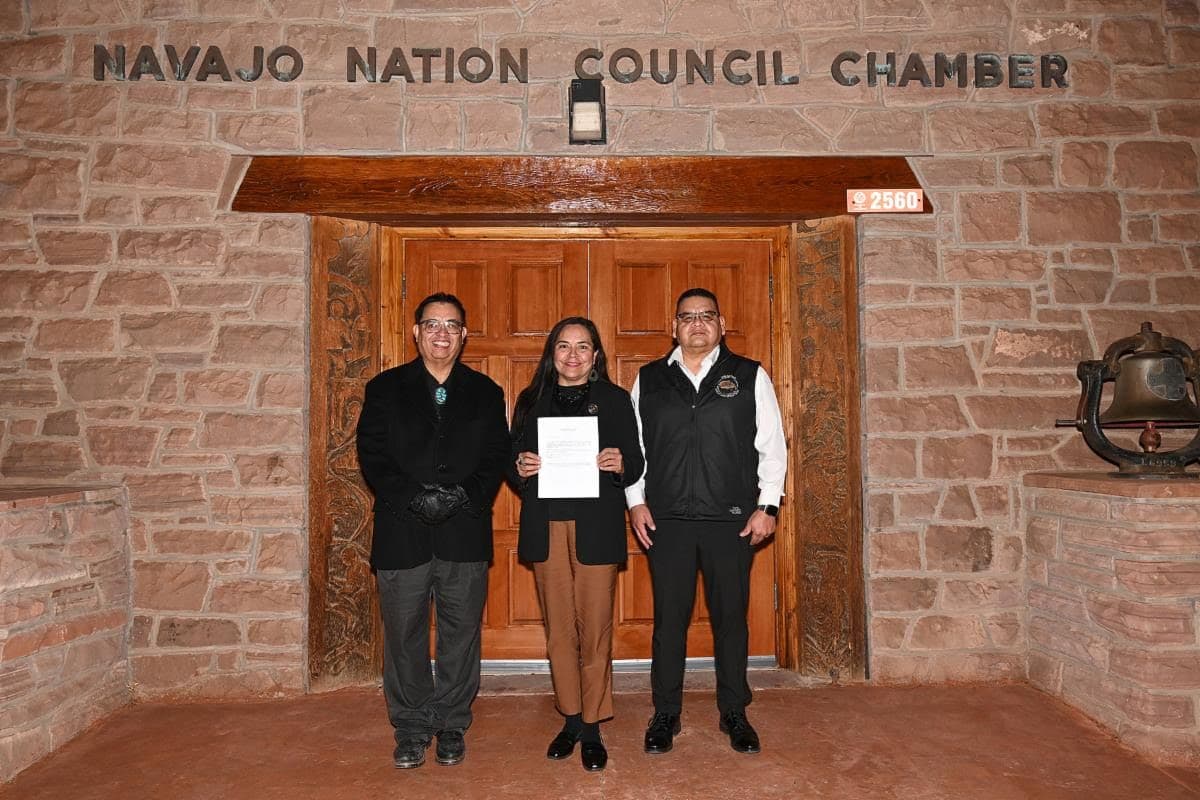
Navajo Nation Audit Finds Widespread Financial Weaknesses, Plans Announced
The Navajo Nation Budget and Finance Committee reviewed the Fiscal Year 2024 single audit on December 7, after KPMG LLP and the Office of the Controller delivered the report on December 2. The audit identified 24 findings across 19 federal program areas, raising risks to federal funding and program delivery and prompting leadership to promise procurement reform and new accounting systems.

The Navajo Nation Budget and Finance Committee received a stark accounting of financial controls and compliance problems when it reviewed the Fiscal Year 2024 single audit on December 7. The audit, prepared by KPMG LLP in conjunction with the Office of the Controller, documented 24 findings across 19 federal program areas and assigned qualified audit opinions to eight major programs because of noncompliance with federal rules. The committee approved the report.
Auditors and committee members described persistent weaknesses in procurement, allowability of costs, financial reporting, and internal controls. They identified systemic accounting problems including inaccurate fringe benefit rates, allocation errors, delayed bank reconciliations, and late federal reporting. The audit noted that timing differences have driven annual accounting adjustments as large as fifty million dollars, a level that complicates budget planning and federal reimbursements.
For residents of McKinley County, many of whom rely on Navajo Nation administered health, education, and infrastructure services, the findings carry practical consequences. Qualified opinions and noncompliance findings can slow federal reimbursements, increase oversight requirements, and raise the likelihood of corrective actions that affect grant funded programs. Local contractors and service providers that depend on timely payments and stable grant administration may face increased uncertainty until reforms are implemented and verified by subsequent audits.
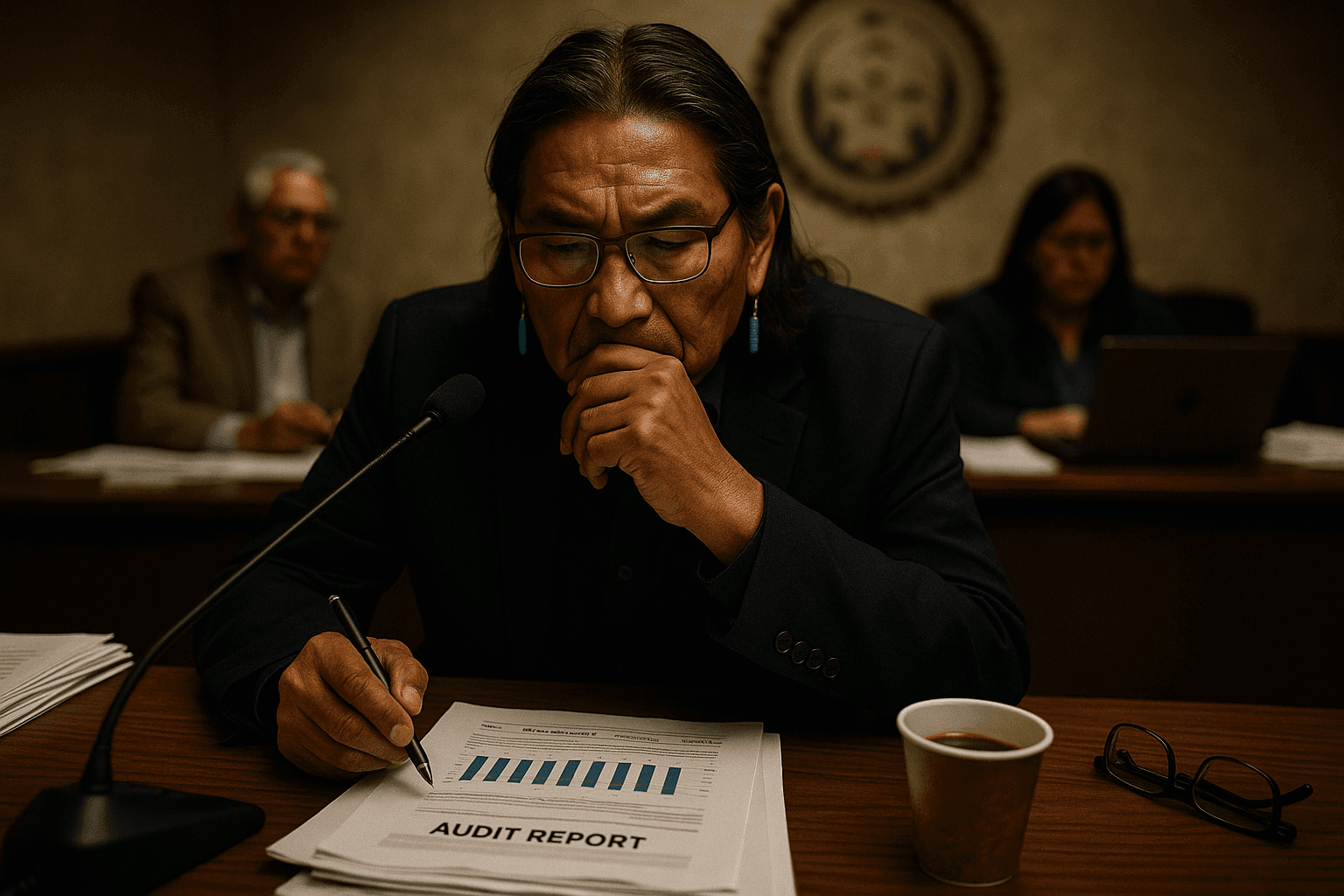
BFC leadership and the Office of the Controller outlined a suite of corrective steps aimed at strengthening controls and restoring funder confidence. Planned measures include centralizing procurement, implementing a new enterprise resource planning system, updating procurement policy with a target completion in February, and holding targeted work sessions in December to craft corrective legislation. A special Budget and Finance Committee meeting was scheduled for December 9 to advance those measures.
The audit and the committee response underscore a need for sustained oversight and clear timelines for reforms. Residents should monitor committee actions and expect successive audits to test whether promised system changes reduce compliance risk, stabilize financial reporting, and protect the flow of federal resources to programs that serve the community.