Nearly $200 Million Federal Award Targets Rural Health Upgrades in West Virginia
West Virginia received a nearly $200 million federal award for 2026 through the Rural Health Transformation Fund, intended to modernize care, expand access, and address workforce gaps in rural communities. McDowell County providers could be direct recipients of planning support, grants, and technology investments, but questions remain about long-term sustainability amid shifting Medicaid and federal funding.

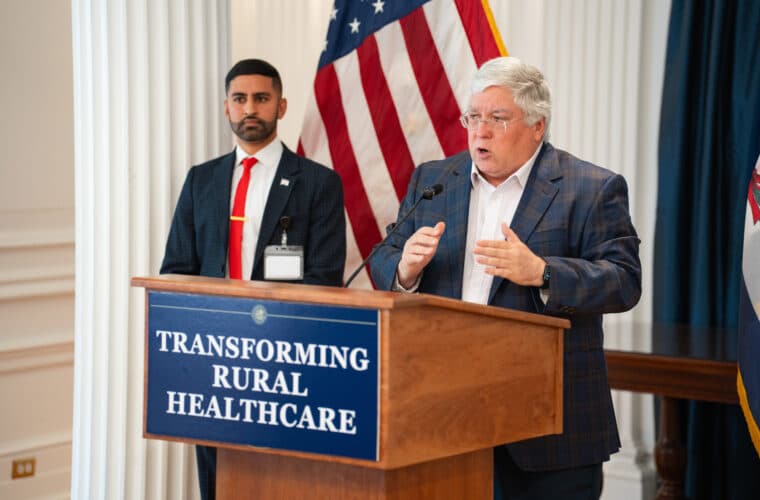
State health officials announced Jan. 7, 2026 that West Virginia will receive a nearly $200 million federal award for 2026 through the Rural Health Transformation Fund (RHTP). The package includes a guaranteed initial payment of $100 million with additional dollars to be awarded competitively, and officials say it is designed to help rural communities modernize delivery, expand access to primary and specialty care, and develop models tailored to rural needs.
The state has outlined multiple priority pillars for spending: improving connected care and telehealth, addressing transportation and access barriers, recruiting and training health workers, supporting technology-enabled innovations, and integrating food and other community health supports with clinical services. Department of Health leaders are recruiting staff to implement the program and have posted job openings for a Rural Health Transformation team to manage rollout and grantmaking.
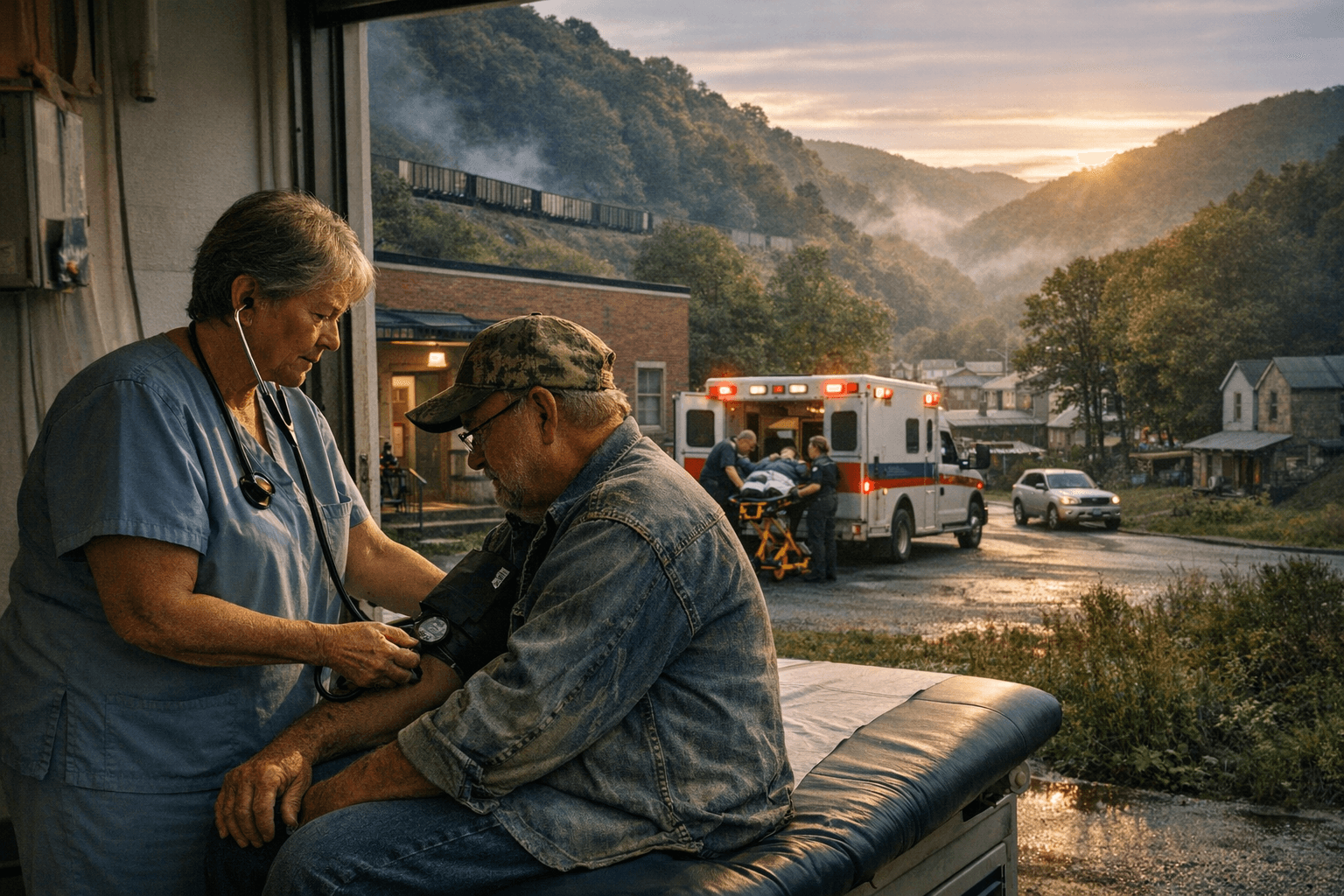
For McDowell County, a community with persistent health access gaps and workforce shortages, the award represents a potential influx of resources. Local community health centers, critical access hospitals, and county health programs are explicitly framed as targets for implementation planning and potential grants or programmatic support. Telehealth investments could connect residents with specialists many miles away, transportation funding could reduce missed appointments, and workforce programs could support training pipelines and retention incentives for clinicians willing to practice in high-need rural areas.
Despite the promise, officials and stakeholders have raised concerns about whether the RHTP award will be enough to offset broader Medicaid and federal funding shifts that have strained rural hospital budgets and long-term service delivery. The competitive nature of a portion of the funds means some communities will receive more support than others, making transparent criteria and equity-focused allocation essential for counties like McDowell that rank high on measures of need.
Implementation timing and application processes remain key questions for local providers and community leaders. The state’s hiring for the Rural Health Transformation team signals that program development will proceed quickly, but clear timelines for grant opportunities, reporting requirements, and equity safeguards will determine how effectively funds reach frontline clinics and social services that support health.
Public health implications in McDowell County could be significant if investments target social drivers of health as promised. Integrating food programs, transportation, telehealth, and workforce development can reduce barriers to care and improve chronic disease management across the county. To translate federal dollars into sustained improvements, local health systems, elected officials, and community organizations will need timely information from the state and meaningful roles in planning to ensure resources address the county’s deep-seated health inequities.
Sources:
Know something we missed? Have a correction or additional information?
Submit a Tip