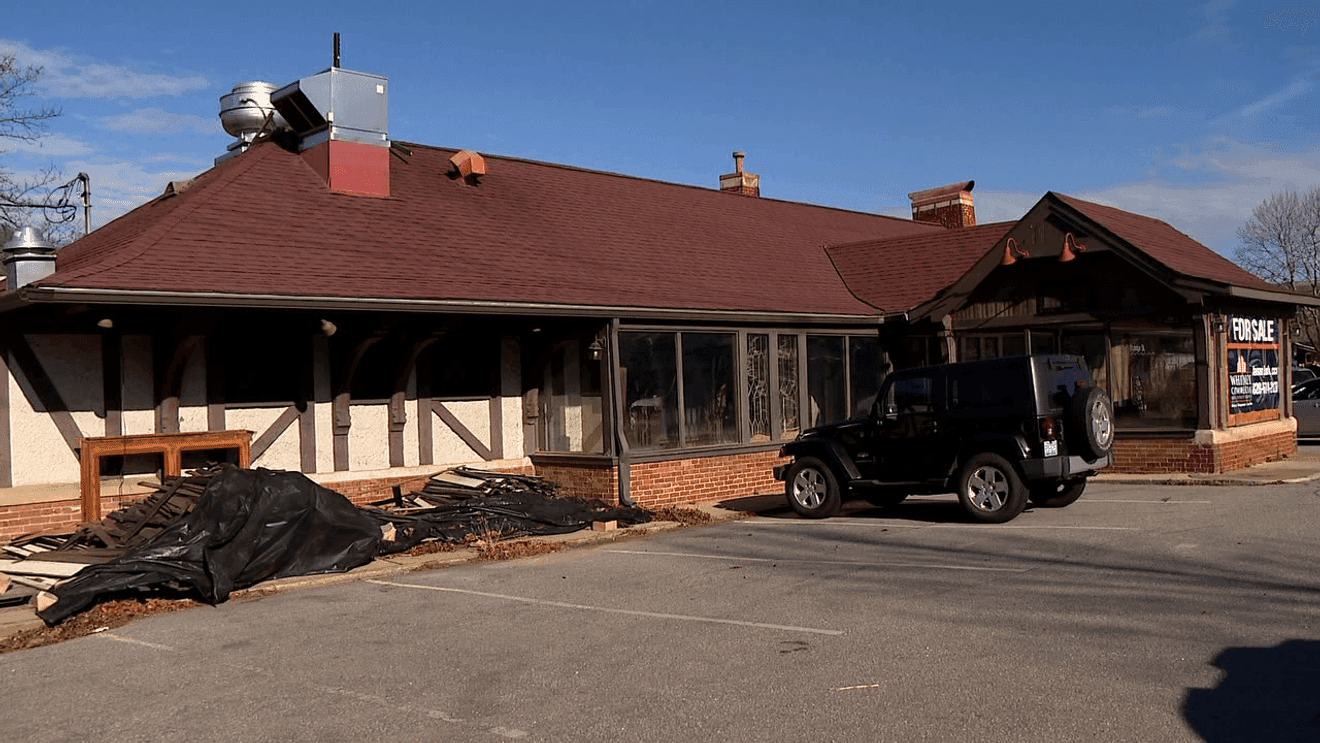
Neighbors push back on Leicester stump dump special-use permit
Riverside Stump Dump LLC applied to build a stump-processing site on a 31-acre Leicester parcel. Neighbors fear dust, noise, fire risk and impacts to farms and property values.
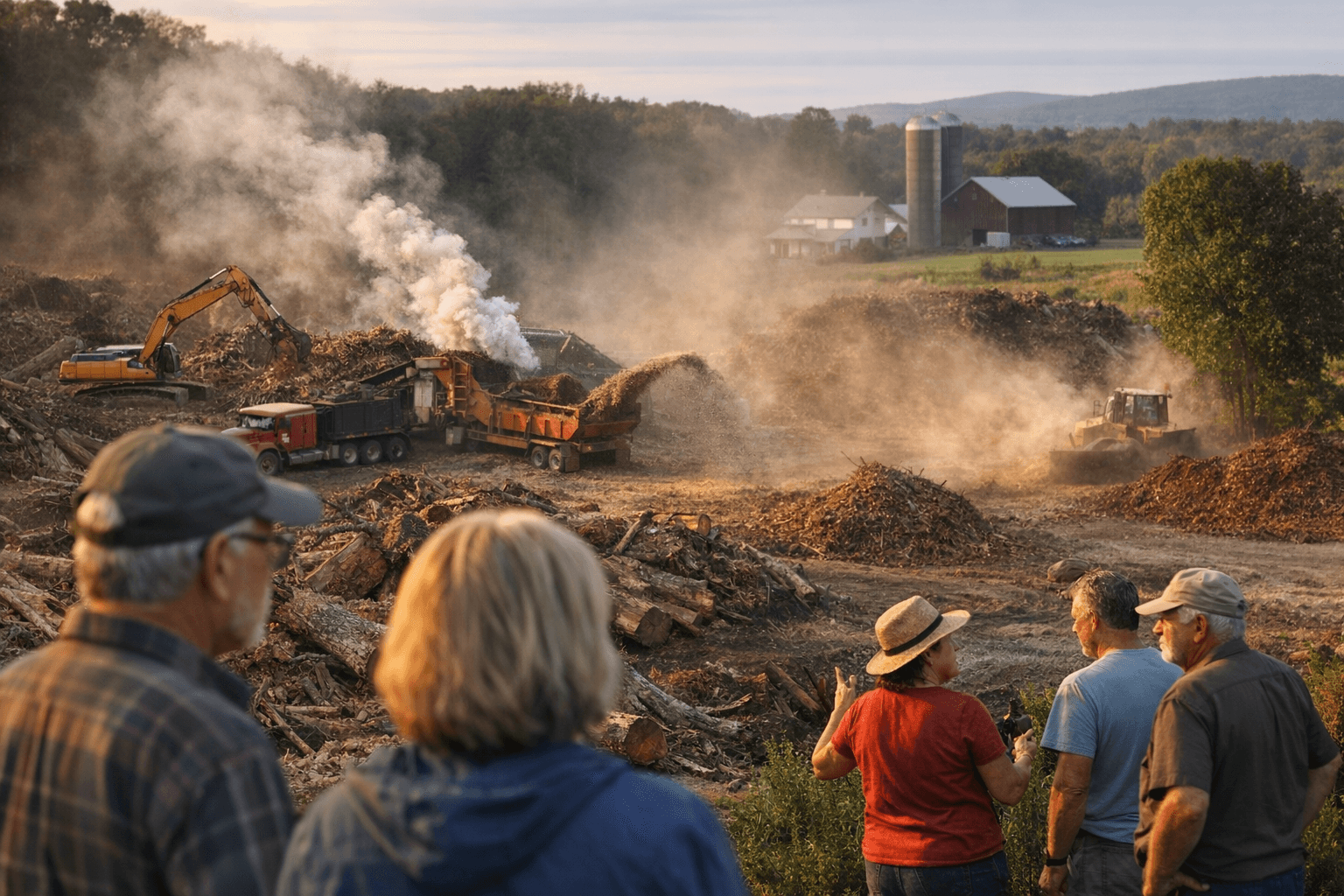
Riverside Stump Dump LLC has applied for a special-use permit to establish a tree-stump and brush grinding facility on a 31-acre tract at 7 Brookshire Road in Leicester, setting off a wave of concern among nearby residents over environmental and safety impacts.
At a community meeting held January 12, neighbors raised objections about dust and debris, increased noise, potential fire risk and possible downward pressure on property values and adjacent farmland. Residents said they were surprised by the application and felt notification about the proposal had been inadequate. The company has pointed to a state-required 100-foot buffer around the site, said it will add additional vegetation, operate without site lighting and keep most operational activities toward the center of the property.
Concerns intensified after a recent fire at Riverside Stump Dump’s Riverside Drive location in Asheville, which neighbors cited as an example of the hazards associated with large-scale wood-processing operations. While company representatives emphasized buffer setbacks and other mitigation steps, community members and local landowners said they remain unconvinced that those measures are sufficient to protect nearby homes and cropland.
The permit process in Buncombe County gives neighbors a formal path to weigh in through public comments and hearings before planning officials render a decision. Residents are organizing to submit written comments and plan to attend upcoming hearings to press the county for stricter operating conditions, clearer notification practices and detailed plans for dust control, fire suppression and hours of operation.
Economically, a stump-processing facility offers potential local benefits: it can turn tree waste into mulch and biomass products used by landscapers, nurseries and potentially energy producers, reducing hauling costs and creating a market for wood residues. Those gains must be weighed against potential costs to rural property values, impacts on working farmland and the fiscal risk to neighbors if incidents occur. For a county balancing growth in green industries and preservation of rural character, the decision will be a test of local land-use policy and enforcement capacity.
Longer-term trends matter here. As tree care and storm-response activity increase across Western North Carolina, demand for local processing capacity is likely to grow. That creates pressure to site facilities near supply while maintaining safeguards for nearby residents and agricultural land. Clear operating rules, robust buffers and transparent community notification can reduce conflict and lower the chance of costly incidents.
The takeaway? If you live near Leicester or work in local forestry, show up, read the permit documents and submit comments to county planning. Our two cents? Ask for a detailed operational and emergency plan, insist on measurable mitigation standards and push the county to tighten notification so neighbors aren’t left stuck between a stump and a hard place.
Sources:
Know something we missed? Have a correction or additional information?
Submit a Tip