Nestlé Recalls Multiple Infant Formula Batches After Toxin Detection
Health authorities in Ethiopia and dozens of countries have joined a multinational recall of selected Nestlé infant formulas after tests detected a potential contaminant in an ingredient. The action affects parents, caregivers and health services worldwide and raises broader questions about supply safety, support for vulnerable families and regulatory oversight.
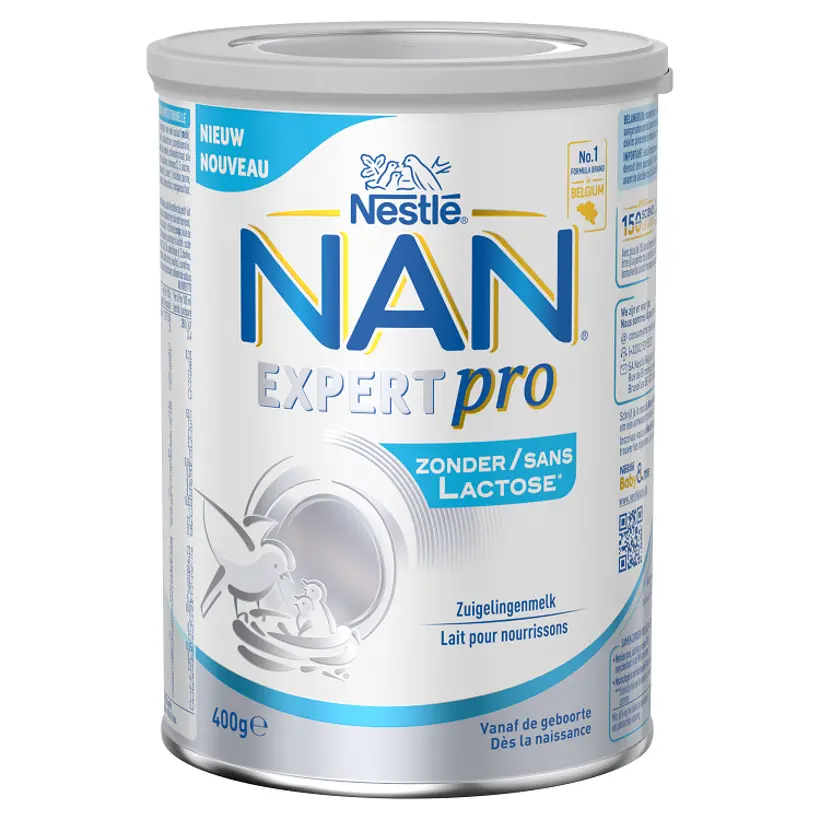
Ethiopia’s Food and Drug Authority announced a recall of a specific batch of Nestlé NAN Special Pro HA 0–12 infant formula after routine quality checks flagged a problem, joining a widening multinational withdrawal of selected infant- and follow-on-formula products. Nestlé said the company expanded precautionary recalls after testing detected a possible contaminant linked to an ingredient used in multiple products, and national regulators across Europe, Africa, the Americas and Asia issued advisories or ordered sales halts for identified batches.
What began as a limited set of recalls in December broadened in early January to include batches across several brands, including SMA, BEBA and NAN lines. Authorities in at least 37 countries issued warnings or measures; named markets include Turkey, Argentina, Singapore, Australia, Brazil, China, Mexico and South Africa. Austria’s health ministry described the episode as affecting “more than 800 products from over 10 Nestlé factories,” a scale the company said it could not verify while it continued tracing and testing supplies.
Laboratory work identified cereulide, a toxin produced by some strains of Bacillus cereus, as the contaminant of concern in affected material. Britain’s Food Standards Agency cautioned that cereulide “is unlikely to be deactivated or destroyed by cooking, using boiling water or when making the infant milk.” Jane Rawling, head of incidents at the FSA, warned the toxin “can be quick to develop” and cause vomiting and stomach cramps. Authorities and Nestlé have said no illnesses have been confirmed that are tied to the recalled products to date.
Nestlé said the problem originated after a quality issue was detected in an ingredient supplied by a leading supplier, and that it has tested all arachidonic acid (ARA) oil and corresponding oil mixes used in potentially impacted products, undertaking further testing across relevant lots and production mixes. The company framed the recalls as precautionary, apologised for the concern and inconvenience to parents and caregivers, and offered refunds for affected customers. Consumers were advised to stop using identified products, check batch numbers on Nestlé’s website and national food-safety sites such as food.gov.uk, return affected items for refund, and seek medical advice if infants develop concerning symptoms after feeding.

Beyond immediate safety measures, the recall underscores public-health and social equity challenges. Infant formula is a medical and nutritional necessity for many families, including those with infants who cannot be breastfed and communities with limited access to safe alternatives. Disruptions to supply and public confidence in products can disproportionately strain low-income households and health services that serve them, particularly where emergency supplies are scarce.
Public-health experts and advocates are likely to press for strengthened supplier oversight, clearer rapid-notification systems between manufacturers and regulators, and targeted support for families needing safe nutrition alternatives. Transparent, consistent communication will be essential to avoid unnecessary panic while ensuring caregivers can make informed choices. For now, regulators and Nestlé continue to expand testing and recall measures while monitoring for any linked illnesses.
Know something we missed? Have a correction or additional information?
Submit a Tip