Netanyahu to Meet President Trump, Discuss Gaza Ceasefire Plan
Israeli Prime Minister Benjamin Netanyahu will travel to meet U.S. President Donald Trump on December 29 to seek agreement on the next phases of a U.S. backed ceasefire plan for Gaza, an Israeli government spokesperson said. The meeting matters because it will tackle core unresolved issues that could determine whether fighting ends, how Gaza is governed after the war, and what international role stabilizers will play, with implications for regional security and reconstruction costs.

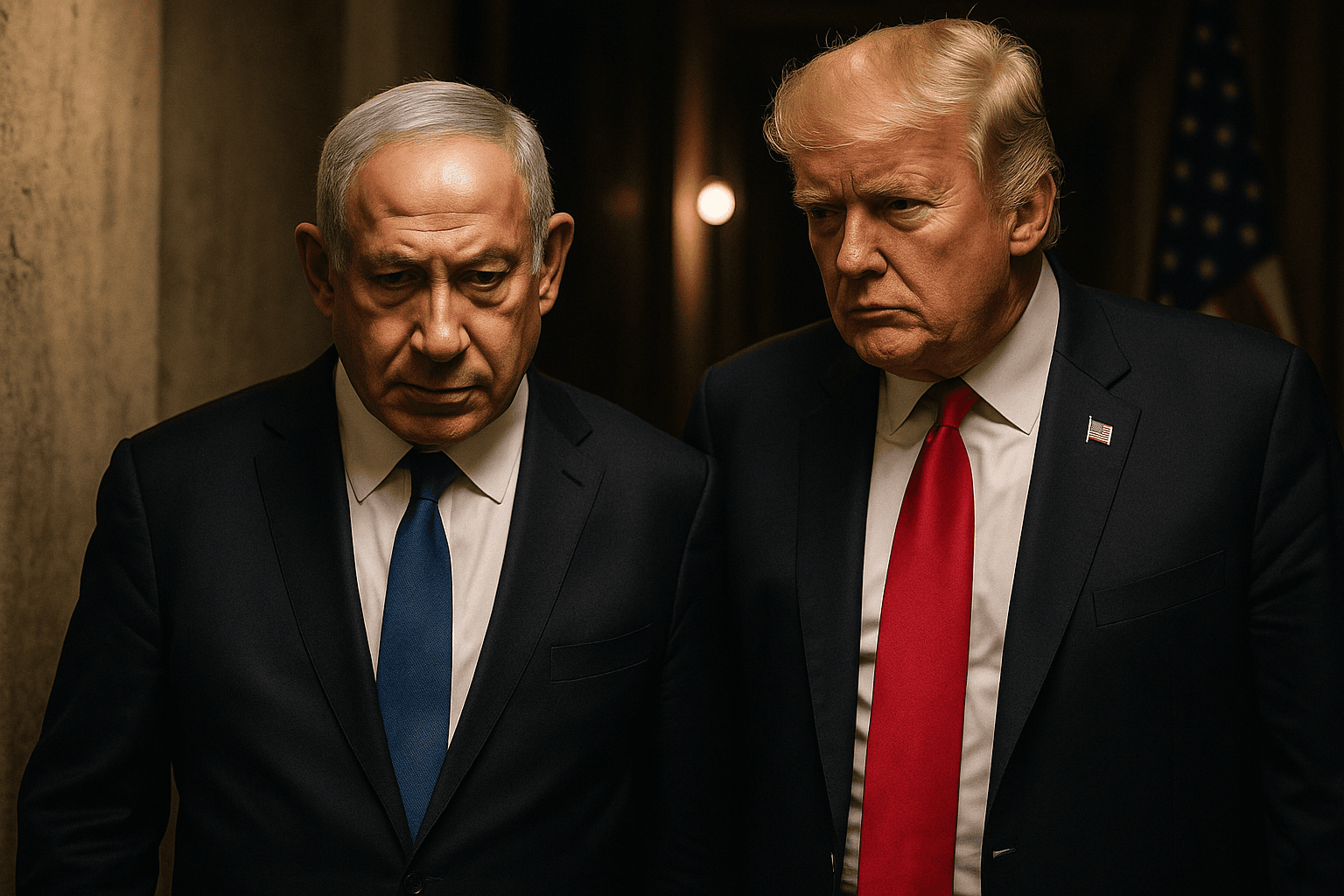
Prime Minister Benjamin Netanyahu will meet U.S. President Donald Trump on December 29 to discuss the next stages of a U.S. backed ceasefire initiative for Gaza, an Israeli government spokesperson said on Monday. The session will focus on a set of politically and operationally complex issues that have so far blocked a durable cessation of hostilities, including Hamas disarmament, governance arrangements for post war Gaza and the composition and mandate of any international stabilization force.
The invitation was first reported by the White House, and Israeli media indicated the meeting could take place in Florida rather than in Washington. The diplomatic timing underscores U.S. interest in shaping post conflict outcomes even as fighting continues, and it places intense pressure on negotiators to translate broad principles into enforceable mechanisms before January.
At stake are both immediate security arrangements and long term institutional questions. Disarmament of Hamas, a central Israeli demand, presents acute verification challenges. Any credible disarmament process will require robust monitoring, clear timelines and incentives for compliance, while confronting the risk that a power vacuum could spur local disorder or empower alternative armed groups. The shape of governance in Gaza after the war will likewise have major consequences for civilian life, humanitarian access and reconstruction planning. International donors and regional states will be wary of committing billions of dollars without clear guarantees about who will control territory and how aid will be distributed.
The composition and mandate of an international stabilization force is another core dispute. Israel has signaled reluctance to accept certain configurations that could limit its operational freedom along the border, while Palestinian authorities and regional partners have pushed for multinational participation that includes Arab states. The parameters of that force will determine everything from freedom of movement for civilians to the security architecture for reconstruction projects.
Economically the meeting could reverberate beyond geopolitics. Investor reactions and financing costs for reconstruction hinge on clarity about security and governance. Markets typically penalize uncertainty in the region through risk premia on sovereign debt, currency volatility and higher insurance costs for trade and shipping. A clear pathway to a ceasefire and a credible stabilization framework would be expected to reduce those risks, unlock donor commitments and accelerate reconstruction spending. Conversely, a breakdown in talks could prolong instability and raise fiscal burdens for Israel and its partners.
Politically the encounter will test President Trump’s ability to broker outcomes with lasting effect, and it will shape Netanyahu’s domestic calculus as he seeks to balance security imperatives with international pressure. With the meeting less than three weeks away, diplomats and analysts will watch for concrete proposals on verification, timelines and troop contributions, which will determine whether a U.S. backed plan can move from concept to implementation.