Aceh reels after Cyclone floods, hundreds dead and infrastructure shattered
Cyclone driven floods and landslides on Sumatra's Aceh province killed at least 940 people and left 276 missing, officials reported, while survivors face outbreaks of diarrhoea, fever and muscle pain amid ruined sanitation and damaged hospitals. The scale of destruction threatens public health, local economies and national finances, as broken roads and bridges hamper relief and officials press for a national emergency declaration to unlock funds.
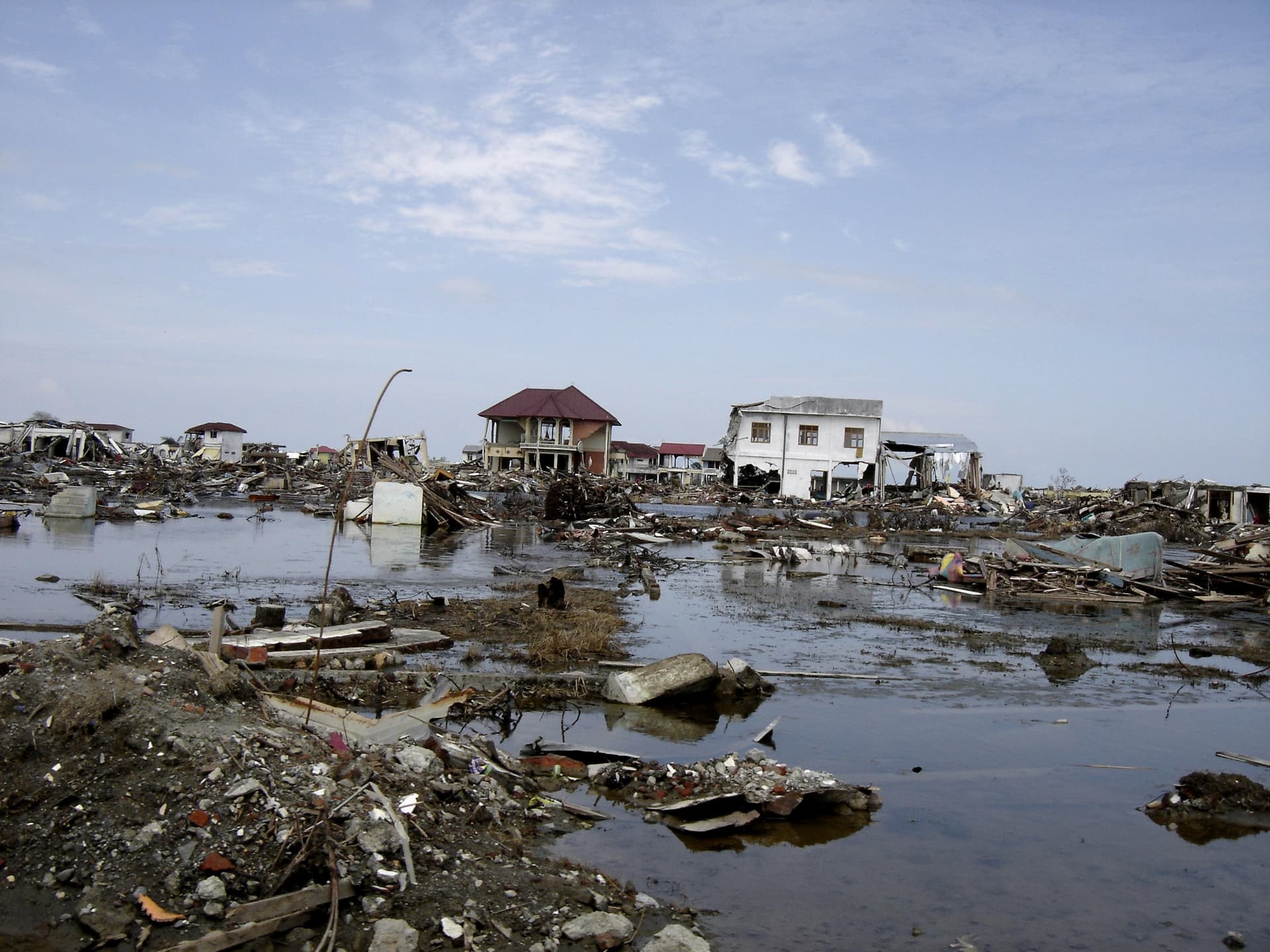
Mud and debris still clogged hospital entrances and wards in Aceh on Sunday, as teams struggled to reach communities cut off by flood waters and collapsed slopes after Cyclone driven storms tore through Sumatra. Government figures released to international media showed at least 940 dead and 276 missing, while Reuters reporters documented medical equipment ruined and medicine swept away, leaving 31 hospitals and 156 smaller clinics across three provinces impacted. One infant died in a partially functioning intensive care unit as staff rationed limited resources.
Sanitation infrastructure has been battered, creating conditions for waterborne and other infectious diseases to spread. Local health workers reported outbreaks of diarrhoea, fever and unexplained muscle pain among survivors, underscoring the immediate need for clean water, emergency shelter and functioning health facilities. With existing hospitals clogged by mud and smaller clinics damaged, public health surveillance and routine care have been compromised at the exact moment when both are most urgently required.
Logistics remain a central impediment to relief. Multiple bridges and stretches of road were swept away or buried by landslides, delaying deliveries of food, water and medical supplies and hindering the movement of search and rescue teams. The inability to move heavy equipment into affected areas has slowed clearing operations and may prolong secondary risks such as contaminated water supplies and vector borne disease.
President Prabowo visited the region and ordered emergency repairs and relief measures, while local officials called for a national emergency declaration that would free budgetary resources and allow wider deployment of assets. Such a declaration would accelerate funding and could open the door to international assistance, which often follows formal national appeals. The fiscal implications are significant. The combination of emergency relief, reconstruction of roads and bridges and rebuilding of health facilities will require substantial public spending that may force the government to reprioritize development programs or tap contingency reserves.

Economically the disaster threatens regional livelihoods and broader supply chains. Aceh is a hub for fisheries, palm oil and rubber cultivation, and while full assessments of crop and asset losses are ongoing, disruption to transport and port operations could delay shipments and depress incomes for small scale farmers and fishers. Insurance penetration in the region is limited, suggesting most losses will be uninsured and borne by households and the state, amplifying the shock to local consumption and employment.
The disaster also fits into a longer term pattern of more intense rainfall events linked by climate scientists to rising global temperatures, increasing the frequency of severe flooding risks in tropical coastal and island regions. Policy choices now will shape recovery and resilience. Rapid restoration of water and sanitation, mobile health units, and targeted cash assistance can contain immediate public health threats and support incomes, while medium term reconstruction presents an opportunity to strengthen infrastructure against future extreme weather at a time when adaptation spending is becoming an unavoidable part of national budgets.
As search and relief efforts continue, the immediate priorities are clear. Restoring access, delivering clean water and medicines, and stabilizing health services will determine whether the region can prevent a secondary humanitarian crisis even as it begins the long and costly process of rebuilding.