Greek Farmers Storm Crete Airport Apron, Halt Flights Nationwide
Angry farmers on Crete entered the apron at Heraklion airport on Monday, forcing a suspension of flights and triggering clashes with police across the island. The dramatic escalation is part of a nationwide farm blockade over delayed EU backed subsidy payments, a disruption that threatens transport links, freight flows, and an already strained agricultural sector.
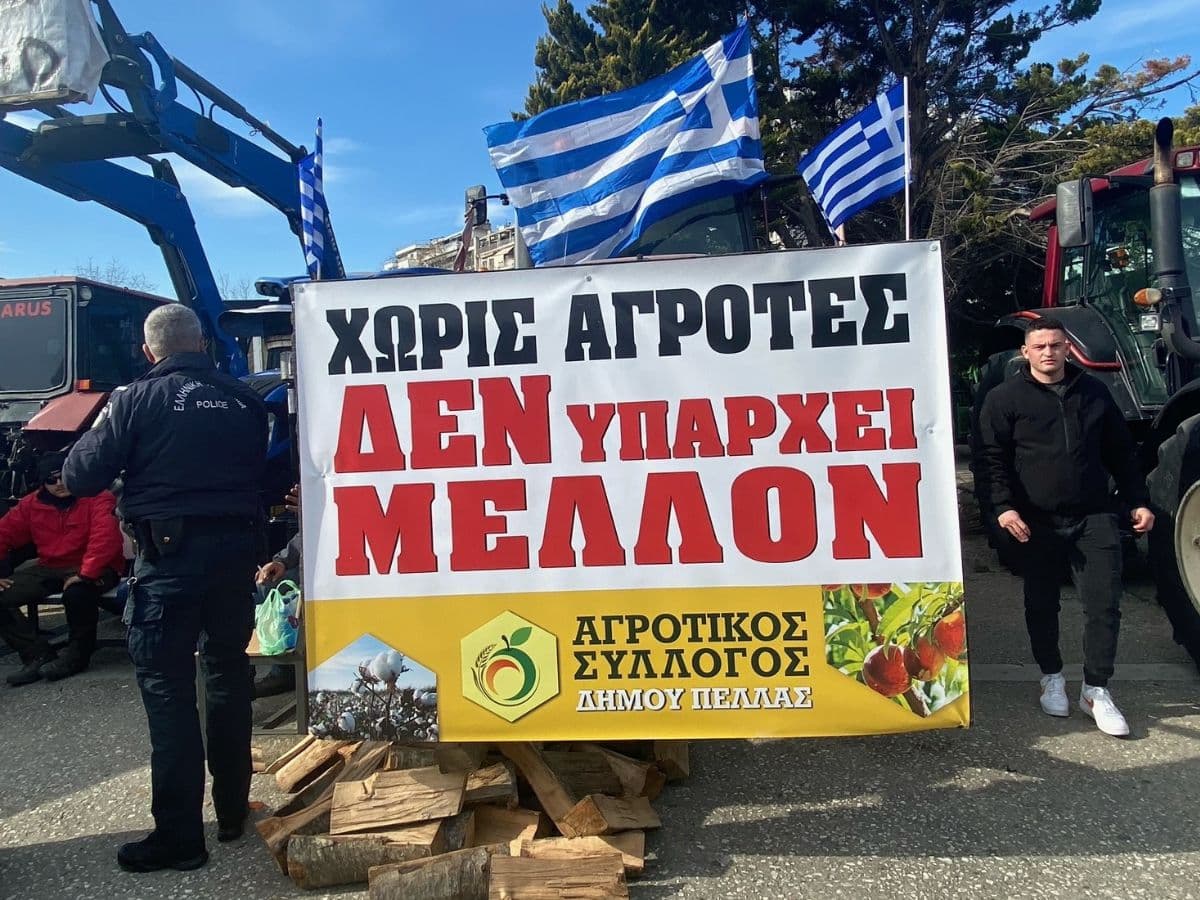
Dozens of farmers moved onto the tarmac at Nikos Kazantzakis International Airport in Heraklion on Monday, bringing flight operations to a halt as security authorities sought to clear the apron. Local media images showed groups standing on the runway area, while elsewhere on Crete riot police deployed tear gas and stun grenades to contain protesters. In Chania two people were reported injured after farmers overturned a police patrol car during confrontations.
The airport incident is the most visible outbreak of a wider, countrywide campaign by farmers angry at persistent delays in EU backed subsidy payments following revelations of large scale fraudulent claims. Protest leaders have mobilized thousands of tractors in recent days and have blocked highways, key border crossings and ports, compounding transport and freight delays across Greece and escalating tensions between the agricultural sector and national authorities.
Government officials say they remain open to talks with farming groups, but have warned they will not tolerate shutdowns of critical infrastructure. The administration faces the immediate challenge of restoring movement at ports and airports while addressing the structural problems that have driven the protests. For farmers the stakes are immediate income and liquidity, as subsidy flows often account for a large share of seasonal operating cash for small and medium sized farms.
The disruptions are already having measurable economic effects. Freight that normally moves by road and sea has faced delays as convoys of tractors block distribution arteries, and the temporary suspension of flights from Heraklion interrupted both passenger travel and air freight. Those bottlenecks risk raising short run costs for fresh produce and inputs, adding to an agricultural sector that this year has also struggled with disease outbreaks and rising operating expenses.

Market implications will depend on the duration and geographic spread of the shutdowns. Short term disruptions can push up wholesale prices for perishable goods and increase logistics costs for exporters, while prolonged blockades could strain relationships with international buyers and delay seasonal shipments. The protests also inject uncertainty into investor assessments of Greek logistics and supply chain resilience at a moment when Europe is closely watching food security and agricultural policy adjustments.
Policy options for Athens will need to balance enforcement against fraud with rapid remediation for legitimate claimants. Tightened verification and audits may be necessary to restore confidence in EU subsidy mechanisms, but heavier administrative hurdles risk prolonging payment delays and deepening farmer anger. Long term reforms will likely require better fraud detection systems, clearer accountability for payment timelines, and contingency support to manage outbreaks of plant and animal disease that depress incomes.
As talks are sought, the immediate test for the government will be to reopen airports and main transport routes without further violence, while delivering credible steps to unblock payments and stabilize farm incomes. The agricultural sector’s financial fragility and the potential for contagion to wider supply chains make a swift and transparent resolution economically urgent.