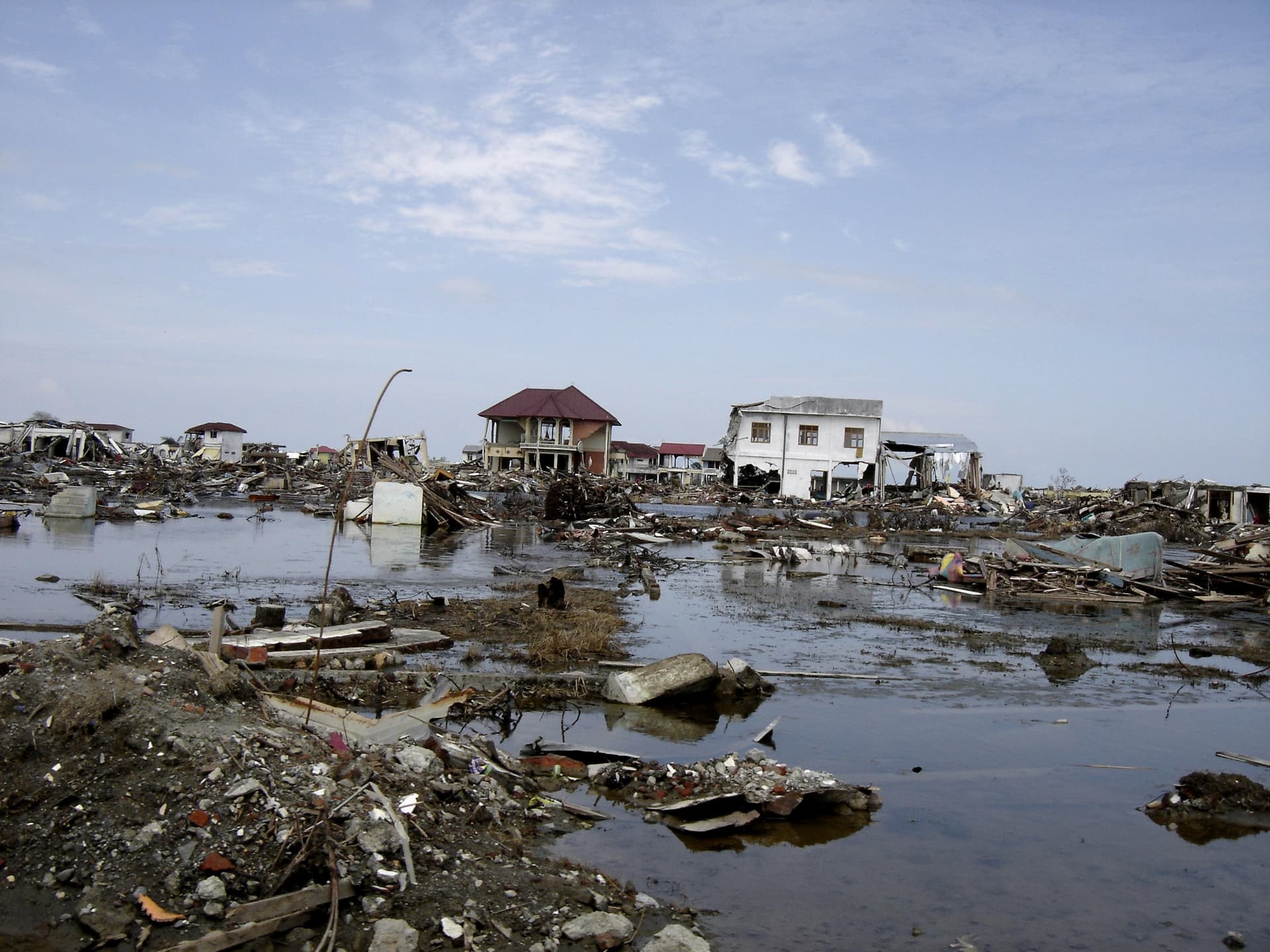
7.6 Magnitude Earthquake Strikes Japan’s Northeast, Tsunami Warnings Issued
A powerful earthquake has struck off Japan’s northeast coast, triggering tsunami warnings and evacuation orders for Aomori, Iwate and Hokkaido prefectures. The event revives fears about the Sanriku coast’s vulnerability and prompts urgent emergency checks across infrastructure that could have wider regional and international consequences.
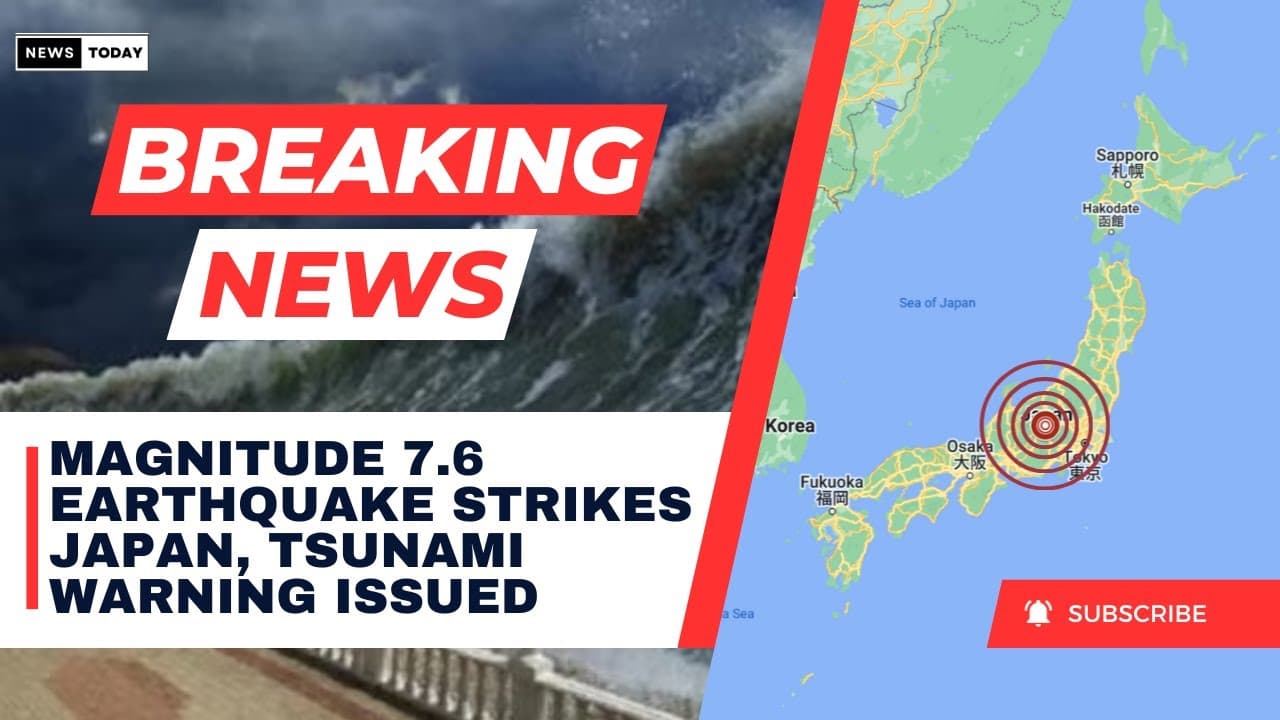
A powerful earthquake with an estimated magnitude of 7.6 has struck off Japan’s northeast coast late on Monday, December 8, 2025, prompting tsunami warnings and evacuation orders for coastal communities in Aomori, Iwate and Hokkaido prefectures. The Japan Meteorological Agency said the quake occurred roughly 80 kilometres east of Aomori at a depth of about 50 kilometres, and registered as an "upper 6" on Japan’s 7 point shindo intensity scale in some locations, a level described as strong enough to knock people off their feet and cause heavy damage.
The JMA issued warnings of tsunami waves as high as three metres in some areas and advised residents along exposed shorelines to evacuate to higher ground. Smaller local tsunamis of around 20 to 50 centimetres were observed at some ports before midnight local time, and authorities continued to monitor sea levels along the Sanriku coastline where communities still carry the memory of the catastrophic 2011 Tohoku earthquake and tsunami.
Rail services in parts of the region were suspended as precautionary measures while operators inspected tracks and signaling equipment. Thousands of households experienced temporary power outages as crews responded to infrastructure faults and assessed damage to transmission networks. Officials reported no immediate major damage to nuclear power plants in the area, but said plant operators were conducting thorough safety checks and that national regulators were coordinating oversight.
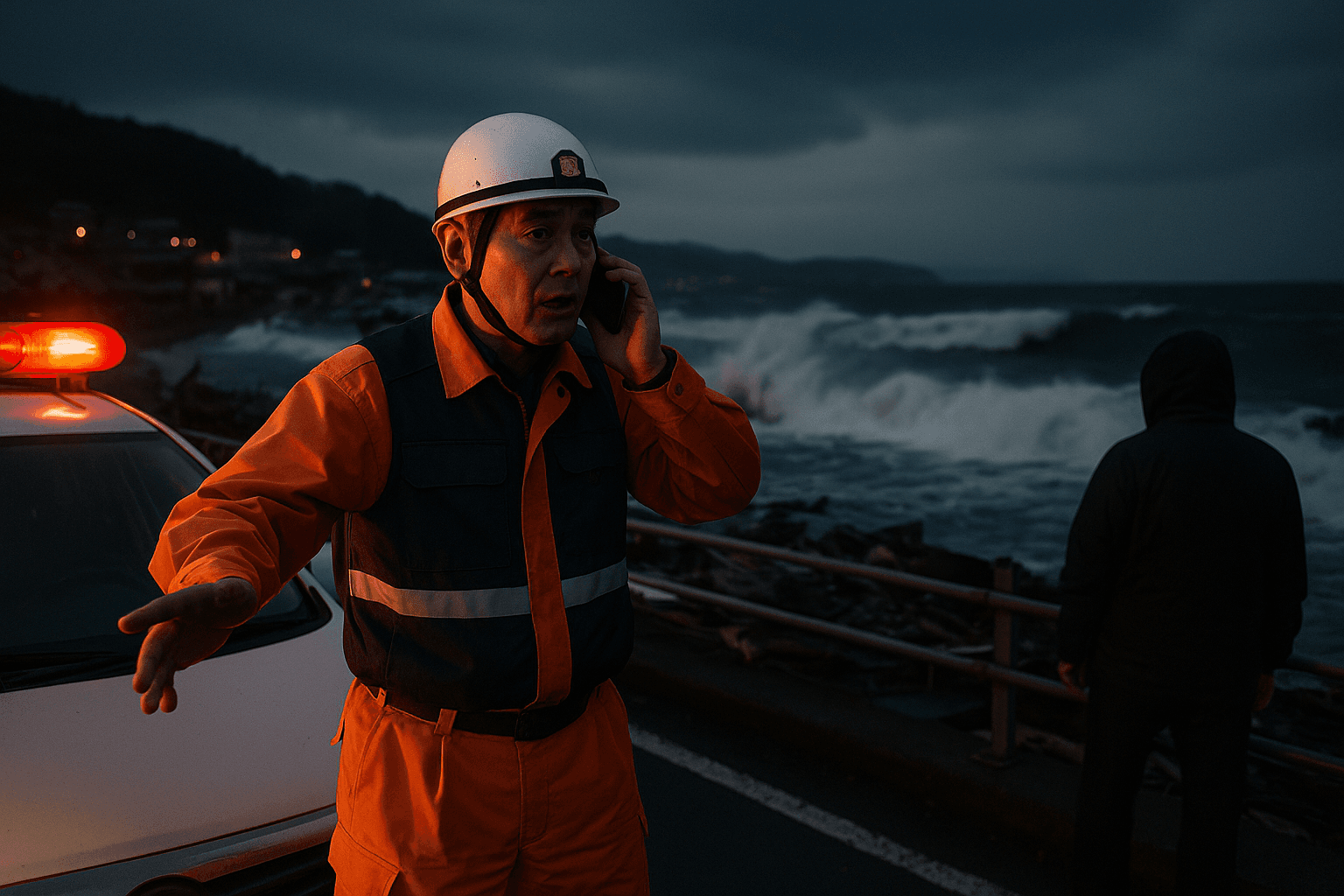
Emergency services warned residents to expect aftershocks and to continue safety checks in homes and public buildings. Rescue teams and municipal damage assessment units were deployed across affected prefectures, concentrating first on coastal and urban areas that experienced the strongest shaking. Local governments opened evacuation centers and issued guidance on where to seek shelter, while prefectural authorities urged calm and orderly evacuations to reduce risk.
The quake has reopened long running concerns about seismic vulnerability in northeastern Japan. The Sanriku coast, with its rias coastline of inlets and narrow bays, can amplify tsunami waves and complicate evacuation. The memory of 2011, when a magnitude 9 event and ensuing tsunami caused widespread devastation and a nuclear crisis, remains a powerful reminder of the stakes for disaster preparedness and resilient infrastructure.
Internationally, the earthquake is likely to draw attention to regional emergency coordination and to the safety of maritime routes and offshore operations in the north Pacific. Japan’s meteorological and disaster management agencies remain in close contact with counterparts in neighbouring countries as they share real time sea level data and seismic readings. Markets and shipping interests will also be watching potential disruptions to coastal ports and logistical networks.
Authorities said their immediate focus is life safety and rapid assessment, with continued monitoring for tsunamis and aftershocks. For residents and communities along the northeast coast, the next hours and days will be critical as emergency services move from urgent response to a more sustained recovery and recovery planning that must reckon with a coastline that remains acutely exposed to seismic risk.