Chinese Carrier Holds Intense Air Drills Near Japan, Tokyo Protests
China’s Liaoning aircraft carrier strike group conducted roughly 100 take offs and landings while transiting east of Okinawa, prompting Tokyo to summon Beijing’s ambassador over what it called dangerous behavior. The episode highlights rising military friction in the East China Sea and raises broader economic and strategic risks for regional supply chains and markets.
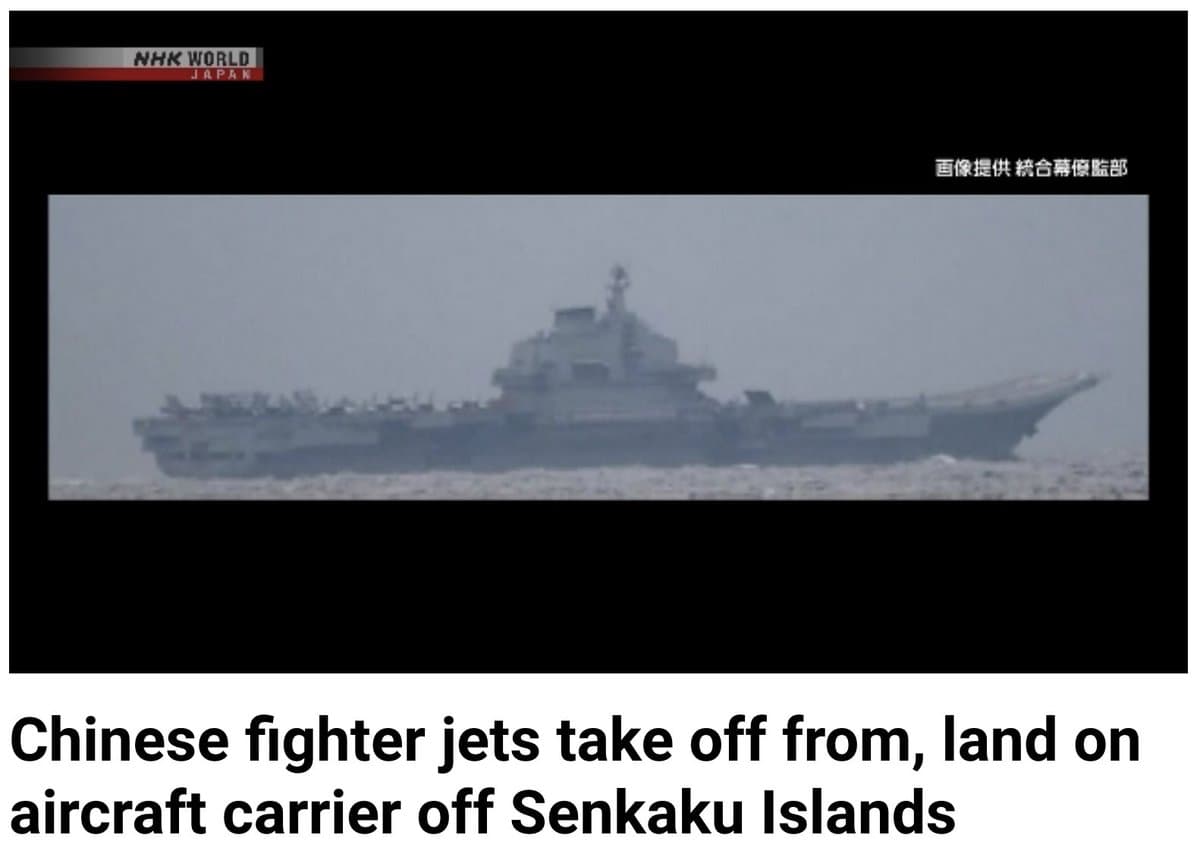
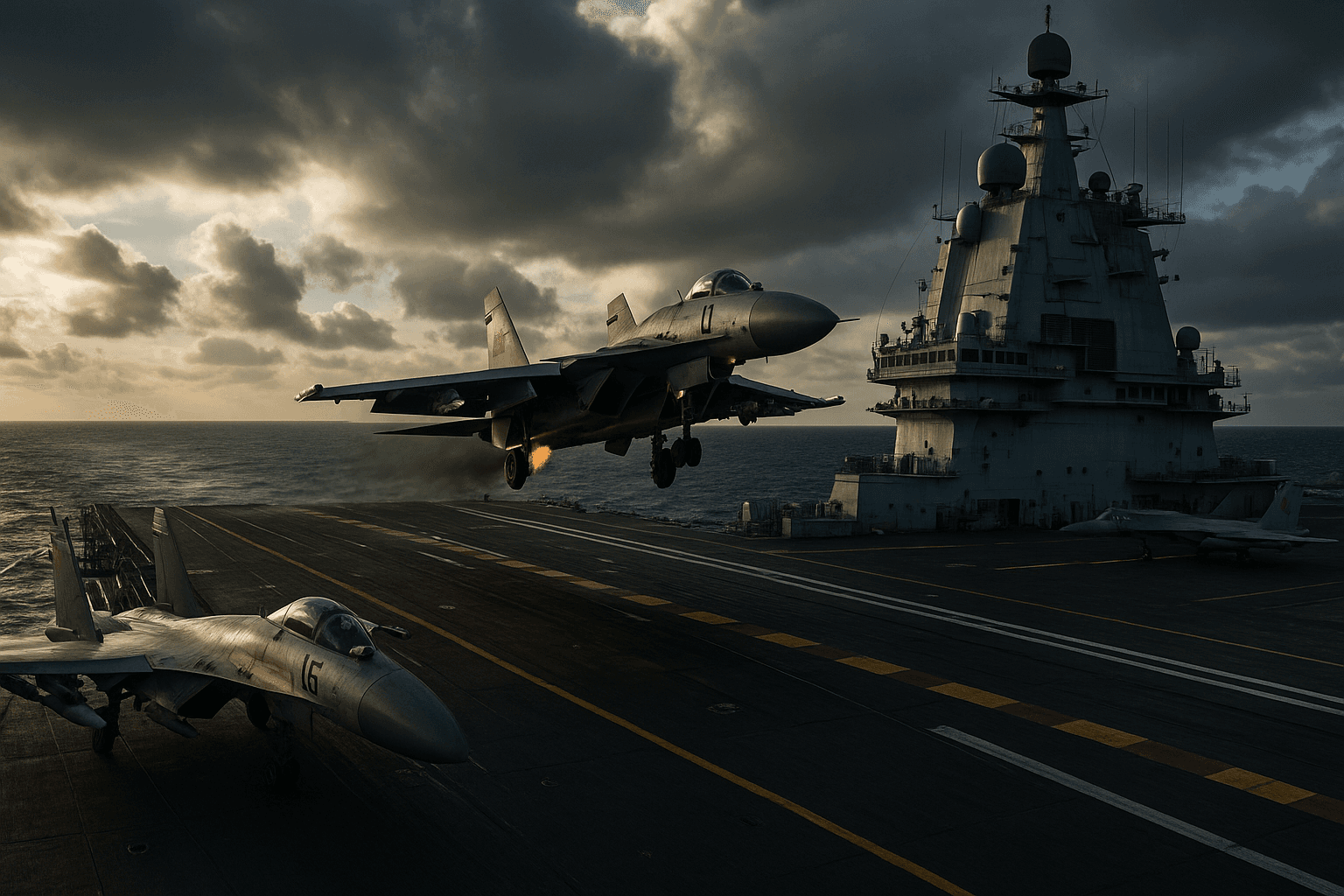
Japan’s Self Defense Forces said China’s Liaoning carrier strike group carried out intensive flight operations over the weekend, conducting about 100 take offs and landings as it moved eastward past Okinawa. Tokyo protested after reporting that Chinese jets had aimed radar at Japanese aircraft that were shadowing the carrier, and officials said they scrambled fighter jets to monitor the group’s movements. The Foreign Ministry summoned China’s ambassador to register a formal complaint, part of an exchange of diplomatic protests and public recriminations between the two capitals.
The drills took place against a backdrop of heightened maritime and diplomatic friction. Analysts and defense officials see the maneuvers as part of a broader campaign of capability displays around Taiwan and the Nansei island chain that tests Japan’s air and naval surveillance. Japan called the operations risky and provocative, while Beijing framed them as routine training in waters it regards as within its operational area. The immediate confrontation produced no injuries or reported incidents beyond the radar targeting allegation, but it added momentum to a trend of more frequent and complex interactions between Chinese and Japanese forces.
Market actors and policymakers are watching the incident for implications that go beyond geopolitics. Regional equity markets and safe haven assets have in the past moved on episodes of military tension, with defense contractors and insurers often seeing shorter term gains amid firmer demand forecasts. Shipping routes through the East China Sea account for a large share of regional trade, and sustained military pressure or missteps could raise logistical costs, push up insurance premiums and encourage rerouting that would increase transit times for manufactured goods and intermediate components. Those risks resonate for global technology supply chains that are heavily concentrated in East Asia.
For Tokyo the event reinforces policy choices already underway. Japan has been strengthening its defense posture and deepening military coordination with allied partners in response to more assertive activity by its neighbors. The incident is likely to feed political momentum in Tokyo for continued investment in surveillance, interdiction and island defense capabilities, as well as intensified diplomatic engagement with the United States and other regional partners to prevent accidental escalation.
Longer term, the episode illustrates an intensifying security competition in Northeast Asia that is remaking regional risk calculations. Analysts point to a steady rise in gray zone operations and close encounters at sea and in the air, which together increase the probability of miscalculation. For businesses and investors the challenge will be to factor these political risks into supply chain strategies and portfolio positioning, balancing the economic imperative of East Asian manufacturing with the potential for intermittent bouts of instability.
Reporting for this dispatch was provided by Reuters on December 8, 2025.