Coast Guard Cutter Munro Intercepts 20,000 Pounds of Cocaine at Sea
The U.S. Coast Guard said the cutter Munro seized roughly 20,000 pounds of cocaine in the Eastern Pacific, marking the service's largest at sea interdiction in more than 18 years. The operation, part of broader counternarcotics actions including Operation Pacific Viper, highlights intensifying maritime efforts and international cooperation to disrupt transnational trafficking networks.
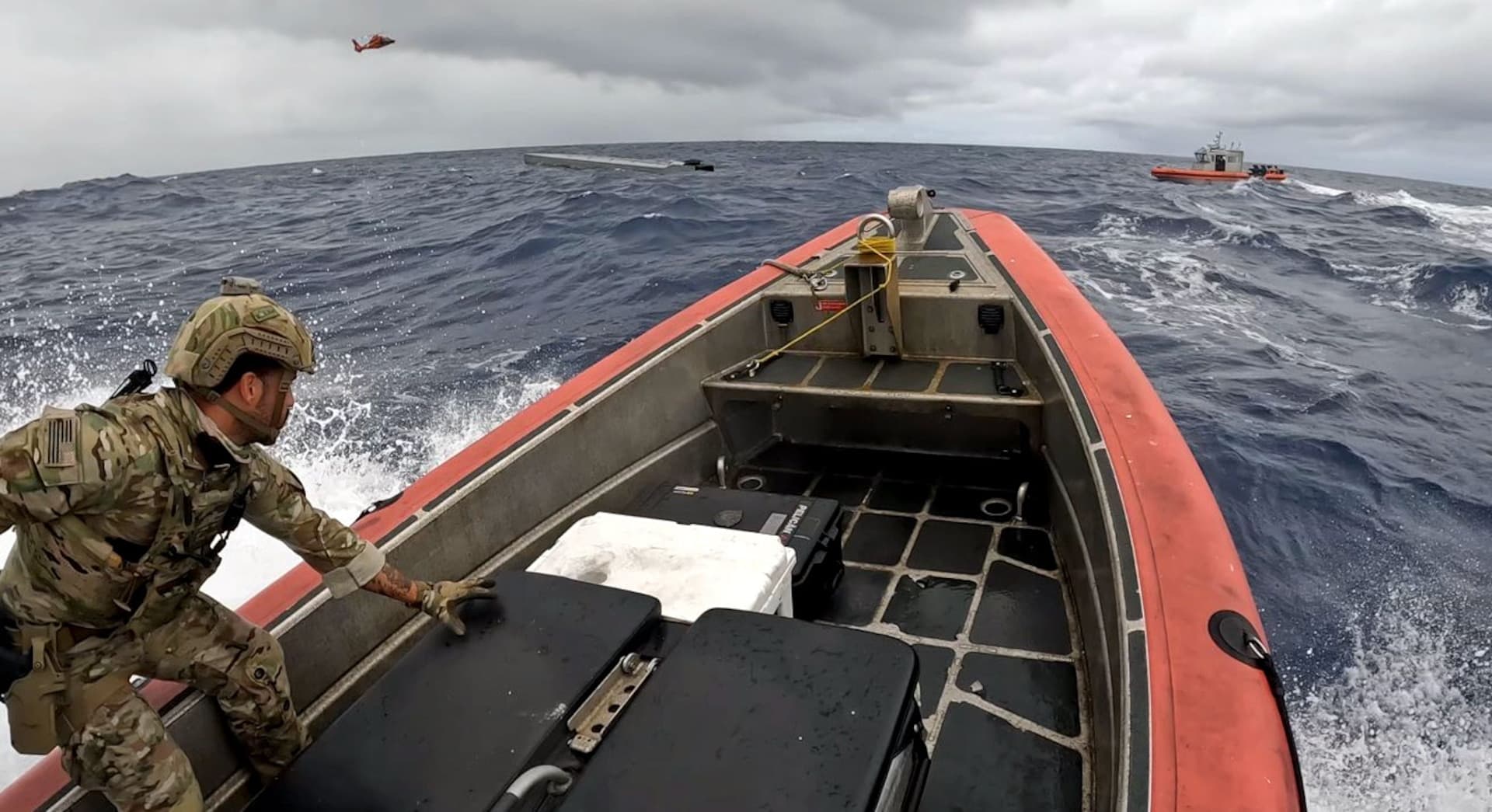
The cutter Munro intercepted and seized approximately 20,000 pounds of cocaine on December 7 in the Eastern Pacific, the U.S. Coast Guard announced, in what the agency described as its largest at sea interdiction in more than 18 years. The operation unfolded amid heightened maritime patrols and multilateral counternarcotics activity in a region long used by traffickers moving Colombian and other South American production northward toward Central America and markets beyond.
Helicopter teams from the Munro disabled the engines of a noncompliant vessel to bring it under control, and Coast Guard personnel subsequently recovered the contraband. The agency said the seizure will be processed and turned over to partner law enforcement authorities, but it did not immediately disclose details about any detentions or the fate of those who had been aboard the vessel.
The action was conducted as part of a suite of operations that include Operation Pacific Viper, an initiative that brings together U.S. maritime assets, intelligence and regional partners in the eastern Pacific and Caribbean. The interdiction underscores a stepped up U.S. approach to maritime counternarcotics work that pairs surface cutters with shipborne aircraft and partner nation coordination to interdict contraband far from shore.
Processing large seizures at sea involves a chain of custody that typically includes on scene documentation, inventorying, laboratory testing and legal transfer to prosecutorial or partner nation authorities. The Coast Guard indicated that the drug seizure would be handled in accordance with those procedures and then transferred to appropriate partners, a step that usually determines whether cases will be adjudicated under U.S. law or by regional jurisdictions depending on where suspects and evidence are ultimately disembarked.

Maritime interdictions rely not only on operational capacity but also on diplomatic arrangements. Under international law, including principles governing the high seas and vessel jurisdiction, interdictions frequently require flag state consent or established bilateral agreements to allow boarding and prosecution. The Munro operation highlights how the United States and regional partners are leveraging existing frameworks to pursue traffickers who employ increasingly sophisticated methods to evade detection.
The size of the haul will reverberate across the intelligence and law enforcement communities because larger seizures can strain evidence handling and may expose shifts in trafficking tactics. For regional governments wrestling with the social and political fallout of narcotics flows, visible interdictions can be both a practical disruption of smuggling and a signal of U.S. willingness to sustain maritime pressure.
Trafficking networks have adapted repeatedly to enforcement efforts, dispersing routes and techniques to reduce vulnerability. The Munro seizure is likely to be studied by both law enforcement planners and the traffickers they seek to counter, as nations around the Eastern Pacific weigh continued cooperation and investments in surveillance, interdiction and legal capacity to handle complex transnational cases.