More than 100 Killed in Sudan Kindergarten and Hospital Strikes
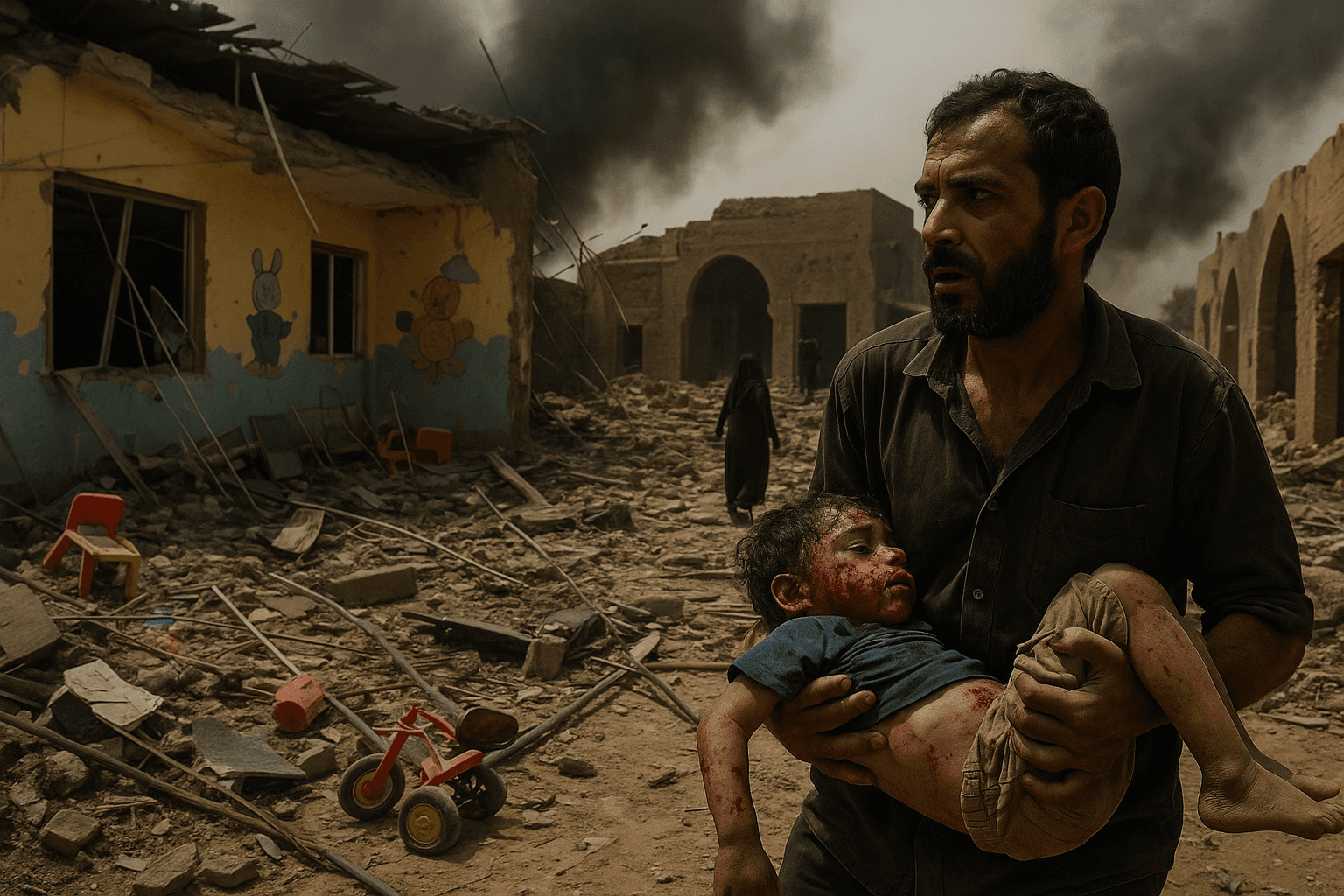
The World Health Organization reported that strikes on a kindergarten and a nearby rural hospital in South Kordofan killed at least 114 people and wounded 35, many of them children. The attacks, which began on December 4 and reportedly involved heavy weaponry and drones, deepen the humanitarian crisis and further strain Sudan’s fragile health system.

The World Health Organization said attacks that began on December 4 on a kindergarten and a nearby rural hospital in South Kordofan state left at least 114 people dead and 35 wounded, in one of the deadliest recent strikes on civilians in Sudan. Many children were killed in the initial bombing of the kindergarten, and parents and medical personnel were later targeted while transporting or treating the wounded at the hospital, the WHO said. Casualty figures combine victims from the kindergarten strikes, attacks on vehicles transporting the injured, and assaults at the treatment facility.
Sudan’s Foreign Ministry blamed the Rapid Support Forces and said drones had been used in the attacks. The Rapid Support Forces had not immediately responded to the allegation. Survivors were moved to other hospitals in the region, and health authorities issued urgent appeals for medical supplies and blood donations to cope with the influx of wounded and to treat those in critical condition.
The strikes underscore the acute peril faced by civilians and medical workers in a conflict that has eroded basic services and safety across wide parts of Sudan. Since fighting broke out nationally in 2023, hospitals, clinics, and aid convoys have repeatedly been hit, constraining the capacity of the health system that already faces shortages of personnel, medicine, and functioning infrastructure. The latest deaths mark another escalation with immediate clinical and logistical consequences for response teams operating in remote areas.
The use of heavy weaponry and drones to strike sites where children and people seeking medical care were gathered raises grave concerns under international humanitarian law, which protects civilians and medical facilities. Beyond the legal questions, the practical fallout is stark. Local health networks must now absorb additional patients while operating with scarce resources, and referral hospitals farther from the conflict may face overloads, longer transport times, and higher mortality rates for treatable injuries.
Economic and market implications are likely to follow. South Kordofan is not a major international trade hub, yet the broader pattern of attacks raises costs for humanitarian operations, increases insurance and logistics premiums for aid deliveries, and deters private investment in already fragile regions. For Sudan as a whole, continued targeting of civilian infrastructure risks further isolating the economy, exacerbating inflationary pressures, and undermining efforts to stabilize public services across states long dependent on external humanitarian financing.
Humanitarian agencies and health officials called for rapid delivery of medical supplies and blood, and for safe corridors to evacuate the wounded and support health workers. The immediate needs include trauma supplies, oxygen, antibiotics, and specialist surgical teams. Longer term, reconstruction of health infrastructure and renewed commitments to protect medical facilities will be essential to prevent recurring mass casualty incidents.
The attacks in South Kordofan add to a long term trend of increasing vulnerability for civilians in conflict zones where conventional and unmanned weaponry are used in populated areas. For families in the affected communities the human toll will be felt for generations, and for policymakers and donors the incidents accentuate the urgency of protecting health services as a foundation for any future stabilization and recovery.