Global Images Capture Art, Holiday Scenes and Disaster Aftermath
A new photo gallery published today collects striking images from Dec 7 and 8 2025, from an Art Basel installation in Florida to flood damaged communities in North Sumatra. The pictures offer a snapshot of culture, civic unrest and humanitarian strain, scenes that reflect broader economic and policy pressures around the world.
Photographs taken across the globe on Dec 7 and 8 present a compressed view of competing forces shaping economies and communities. The gallery ranges from a provocative art installation at Art Basel in Florida to scenes of Christmas preparation in Pakistan, a duck shaped hot air balloon at an expo in Caracas, the restored statue atop Notre Dame de la Garde in Marseille, demonstrations in Port of Spain, and the flooding and humanitarian aftermath in North Sumatra.
At Art Basel an installation featuring a robot dog topped with an Elon Musk head drew attention from collectors and passers by. Art fairs such as this are concentrated hubs of high end spending, and they often generate significant short term demand for local hotels, restaurants and transport. These events also reflect shifting valuations in the contemporary art market as collectors balance traditional works against tech infused pieces. Organizers of major fairs typically expect tens of thousands of visitors, and dealers use launches like this to test appetite for new, often speculative categories.
In Pakistan photographers captured retailers and families preparing for the Christmas season in urban neighborhoods, scenes that underscore the role of seasonal demand in supporting small businesses. For economies where formal retail penetration is limited, holiday periods can drive a disproportionate share of annual revenues for traders. At the same time consumers in many emerging markets are navigating elevated prices and tighter real incomes, trends that shape how much discretionary spending reaches hospitality and retail sectors.
A duck shaped hot air balloon floated over an expo in Caracas, a rare celebratory image from Venezuela where public festivals coexist with deep economic strain. Such events can serve local economies by drawing vendors and regional visitors, yet they often take place against a backdrop of high inflation and constrained public budgets that limit broader multiplier effects.
In Marseille a newly restored statue again crowns Notre Dame de la Garde, an image that symbolizes investment in cultural infrastructure and the recovery of tourism dependent regions. Cultural restoration projects can restore visitor flows and support employment in construction and services, but they also involve public and private financing choices that affect municipal budgets and long term maintenance costs.
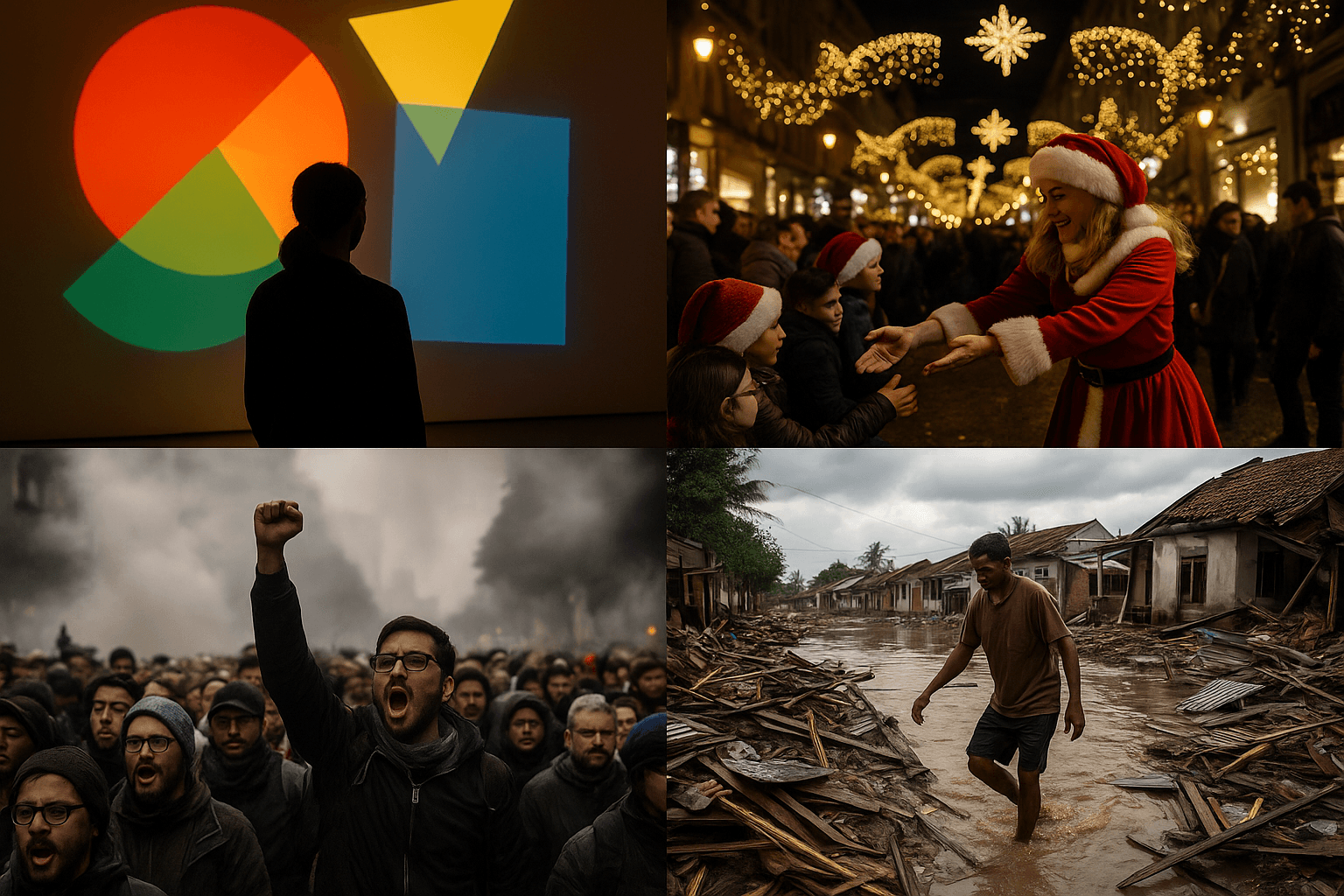
Photographs from Port of Spain documented demonstrations, a reminder that social unrest can have immediate consequences for commerce and investor confidence. Markets tend to react to sustained instability through adjustments in tourism bookings, currency flows and risk premiums, especially in smaller open economies that rely on services or commodity exports.
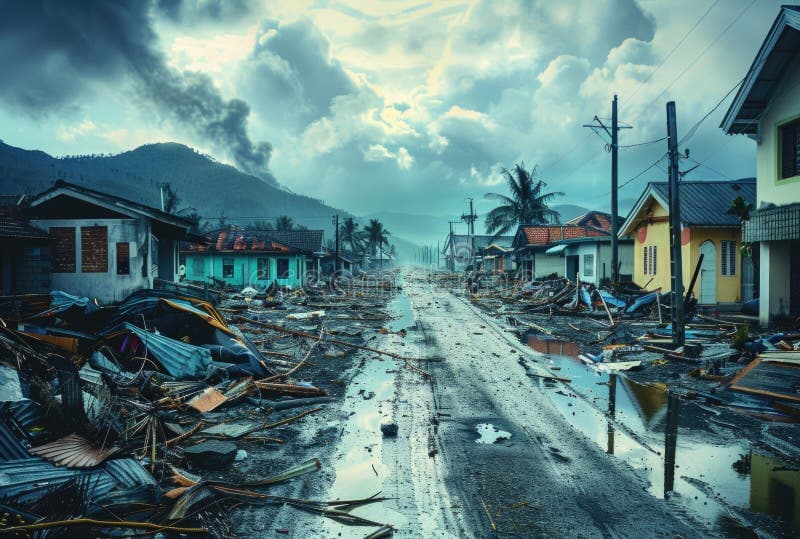
Most stark were images from North Sumatra showing flooded neighborhoods and humanitarian operations in the immediate aftermath. Floods and extreme weather events increase demands on emergency services and on public finances for reconstruction. Climate related disasters are contributing to rising global disaster losses and are prompting policymakers to weigh investments in resilience against competing fiscal priorities.
Taken together the images from the past 24 hours provide more than visual interest. They highlight how cultural life, civic action and climate shocks intersect with economic choices faced by households, businesses and governments as they plan for uncertain seasons ahead.


