Clashes escalate in Iraq as militia offices torched, tensions spike
Deadly clashes and large anti government demonstrations swept southern Iraq as protesters set fire to buildings linked to powerful pro Iran paramilitary factions, sparking threats of reprisals and urgent warnings of wider escalation. The unrest underscores deep economic grievances and poses a fresh risk to Iraq's oil dependent economy, investor confidence and fragile political order.

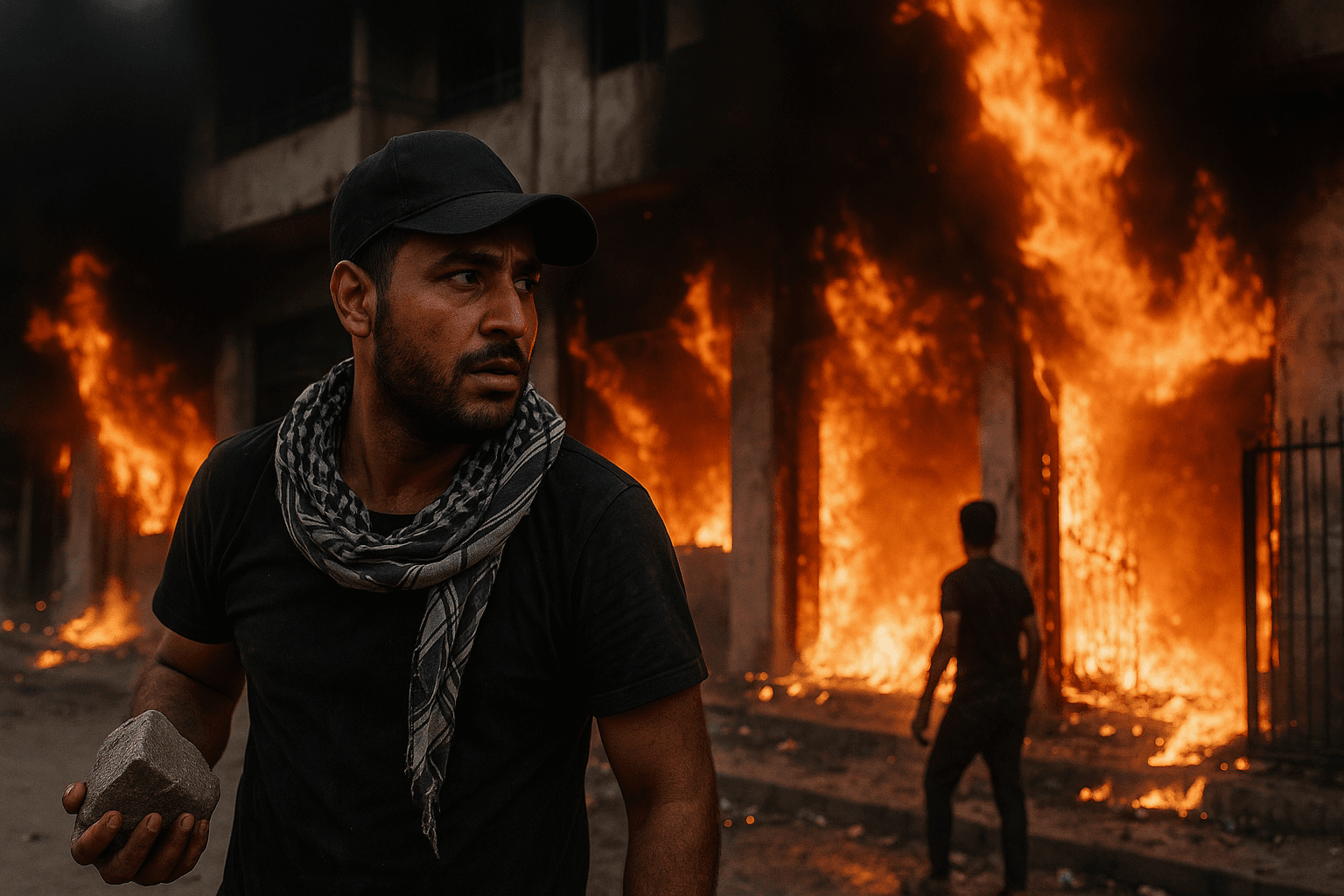
Violence flared in several cities in southern Iraq on Monday as anti government demonstrations targeted state facilities and offices linked to Popular Mobilization Forces groups, leaving security officials and militia commanders warning of a broader confrontation. Reuters reported that protesters burned government buildings and facilities associated with pro Iran paramilitary factions, and that those factions accused Israel and the United States after several of their offices were torched.
The disturbances came amid simmering public anger over poor public services, widespread unemployment and perceptions of political exclusion in the wake of contested elections. The region has seen repeated protests in recent years over electricity, water, and job shortages, and the latest wave quickly acquired a sectarian and security dimension as militia leaders threatened reprisals and some local commanders called for calm even as they warned of possible armed response.
Iraqi authorities moved to contain the violence, deploying security forces to key urban centers and urging restraint. International partners also expressed concern, according to Reuters, as diplomats pressed for deescalation. The Popular Mobilization Forces, an umbrella grouping of mostly Shiite militias that was integrated into the state security architecture after 2014, remains a potent political and military actor, and attacks on its facilities touched a raw nerve among its leadership and supporters.
Beyond the immediate human cost and disruption, the unrest carries clear economic stakes for Iraq. The economy remains heavily dependent on oil revenues, which account for roughly nine tenths of government receipts and dominate foreign exchange earnings. Any threat to security in southern provinces where oil and port infrastructure are concentrated risks adding a risk premium to Iraq's sovereign finances, disrupting exports and complicating a budget that relies on relatively stable oil receipts.
Markets could react to intensifying instability through wider spreads on Iraqi sovereign debt and pressure on the currency if investors perceive greater risk to oil flows. For households already coping with inflation and limited public services, renewed instability threatens to deepen economic hardship and feed further protests. For policymakers the challenge is twofold, immediate and structural. In the short term security forces must prevent further violence while avoiding actions that could inflame tensions. Over the longer term the crisis reinforces the need for credible reforms to public service delivery, job creation and a more inclusive political process to absorb grievances peacefully.
Analysts said that without concrete progress on jobs and services the political vacuum opened by contested elections will continue to be a source of instability. The balance of power between state institutions and armed groups remains a defining feature of Iraq's transition, and how leaders manage Monday's flare up will shape investor calculations and the prospects for durable stabilization in the months ahead.