Tanzania urges calm as Independence Day approaches, leaders warn of unrest
Tanzania's prime minister has urged citizens to remain at home on Independence Day as activists call for protests over the violent suppression of post election demonstrations. The dispute underscores deep political divisions that risk spilling into communal spaces on a day meant for national unity, drawing concern from the United Nations and international observers.

Tanzania's prime minister has urged citizens to remain at home on Independence Day as activists called for street protests to mark the anniversary of the independence struggle and to denounce what they say was the violent suppression of demonstrations after October's presidential election. The appeal comes against a charged backdrop in which the United Nations has estimated that hundreds may have died in post election unrest and where rights groups say large numbers of opponents have been arrested, tried and sentenced.
The October contest, which returned President Samia Suluhu Hassan to power with an overwhelming margin according to official results, has been contested by critics who say leading opposition figures were excluded from the ballot. Those exclusions triggered a wave of protests and a government crackdown that international monitors and advocacy organisations say was marked by sweeping restrictions on dissent and aggressive policing that contributed to a heavy death toll.
Officials have issued warnings about potential unrest around the December 9 anniversary, citing security concerns and the risk of violence in urban centres. The government's insistence on the legitimacy of the vote sits at the centre of a wider dispute over political space in a country once praised for relative stability. For many Tanzanians, Independence Day is a solemn national holiday focused on unity, collective memory and civic rituals. For others it now serves as an occasion to demand accountability and to protest perceived erosions of democratic norms.
The United Nations estimate of hundreds killed in the aftermath of the election has amplified international scrutiny. Under international law, states are obligated to investigate unlawful deaths and to ensure that any use of force by security services is necessary and proportionate. The scale of the alleged casualties has prompted calls from foreign governments and human rights organisations for transparent inquiries and for respect of fundamental freedoms of speech and assembly.
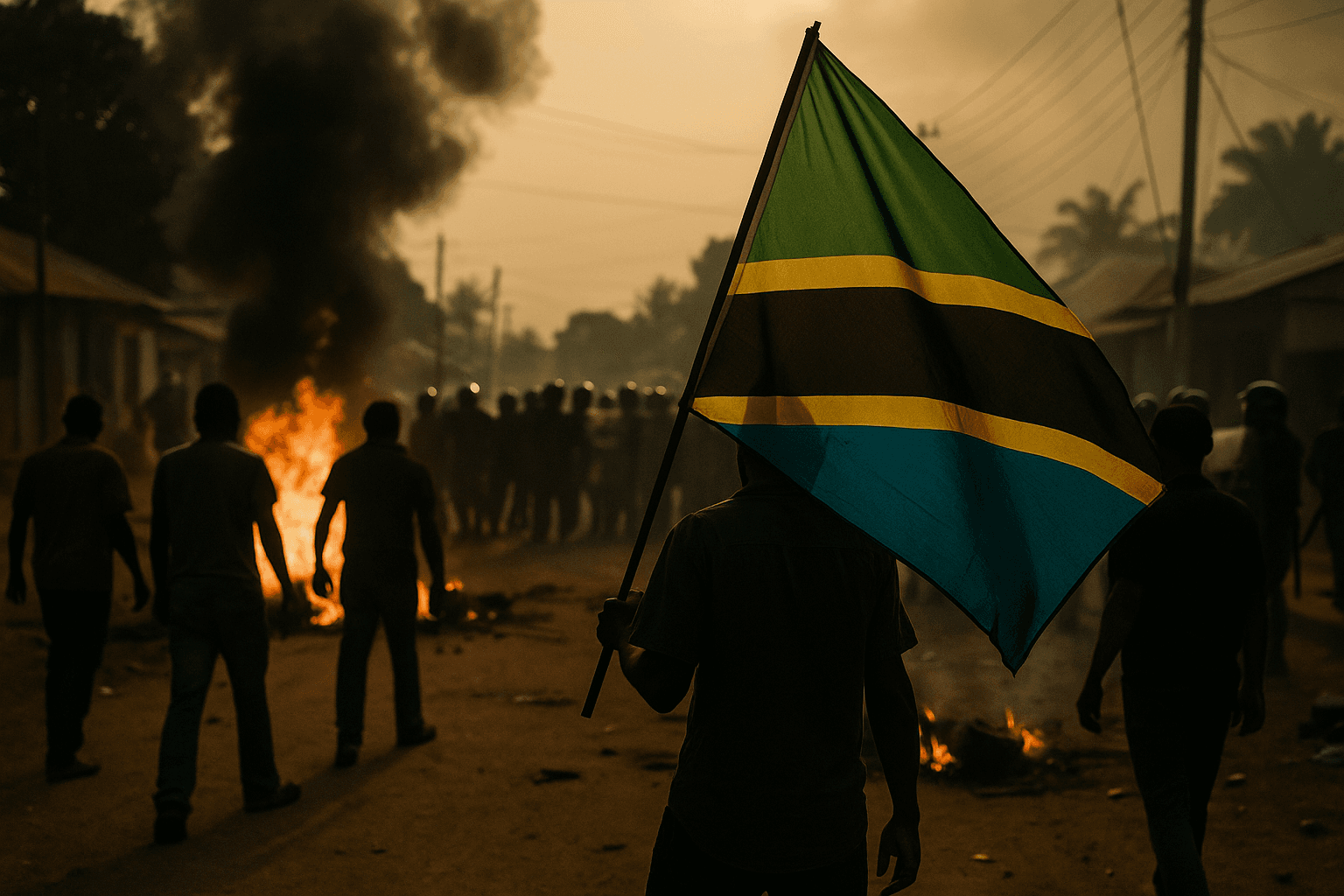
Regional stability is also at stake. Tanzania sits at the crossroads of East Africa, and prolonged unrest could reverberate across neighbouring states through refugee flows, trade disruptions and diplomatic strain. Economic consequences are a further consideration in a country where investor confidence can be sensitive to perceptions of political risk. The government's public appeal for citizens to stay home is likely aimed at limiting flashpoints and preventing clashes on symbolic streets that are usually filled with parades and celebration.
Domestically, the move places pressure on both activists and the security apparatus. Activists face the dilemma of whether to press ahead with planned demonstrations that they say are necessary to highlight grievances, or to temper actions to avoid violence and possible reprisals. Security forces meanwhile confront the challenge of policing a high profile public holiday without inflaming tensions.
As Independence Day arrives, Tanzanian society confronts questions about the meaning of nationhood, the boundaries of political dissent and the obligations of the state under international norms. How the government manages the anniversary could shape diplomatic engagement and the trajectory of domestic politics in the months to come.