New Arctic Radiation Trends Detected Near Utqiaġvik Observatory
A peer-reviewed study led by Dan Lubin and colleagues used a 25-year record from the Atmospheric Radiation Measurement North Slope of Alaska observatory near Utqiaġvik to detect emerging seasonal changes in surface radiation. The findings show boreal fall warming trends and a late-summer decline in net surface radiation tied to decreases in solar shortwave energy, a pattern with implications for sea ice, permafrost, and local community resilience.
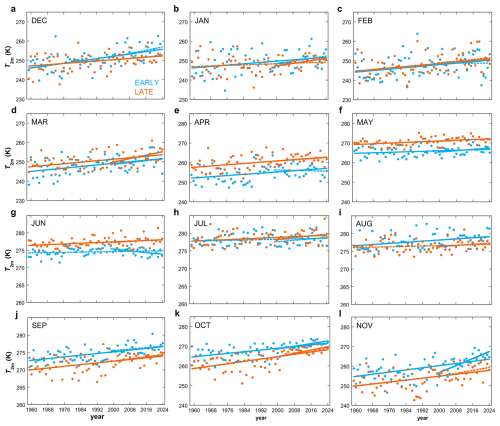
Scientists analyzing a quarter-century of surface-based radiometer data at the ARM North Slope of Alaska observatory near Utqiaġvik report statistically significant seasonal shifts in surface radiation that are beginning to emerge above natural variability. The study identifies warming trends in boreal fall and a late-summer drop in net surface radiation driven largely by decreases in shortwave, or solar, radiation.
Instrument records show the shortwave reduction is associated with increasing cloud liquid water path observed by microwave radiometers. The authors link summertime trends to changes in large-scale atmospheric circulation and the influence of atmospheric-river events, phenomena that transport large amounts of moisture into the Arctic. Researchers describe these signals as consistent with expectations from recent satellite studies of Arctic amplification, while noting that the trends are just now rising above the background noise of natural variability.
For communities on the North Slope, these radiation changes carry practical implications. Late-summer reductions in solar input could affect melt patterns on sea ice and seasonal timing of melt-freeze cycles, while fall warming trends can delay freeze-up and extend periods of thaw. Those shifts influence travel safety on ice, timing and access for subsistence hunting and fishing, and the stability of near-surface permafrost that underlies homes, roads, and traditional infrastructure.
Public health and social equity concerns follow. Changing seasonality can disrupt food security for households that rely on subsistence harvests and increase burdens on village infrastructure, raising costs for repairs and community services. Communities already facing disproportionate climate risks may see heightened need for adaptation resources and culturally appropriate planning that incorporates Indigenous knowledge alongside scientific monitoring.
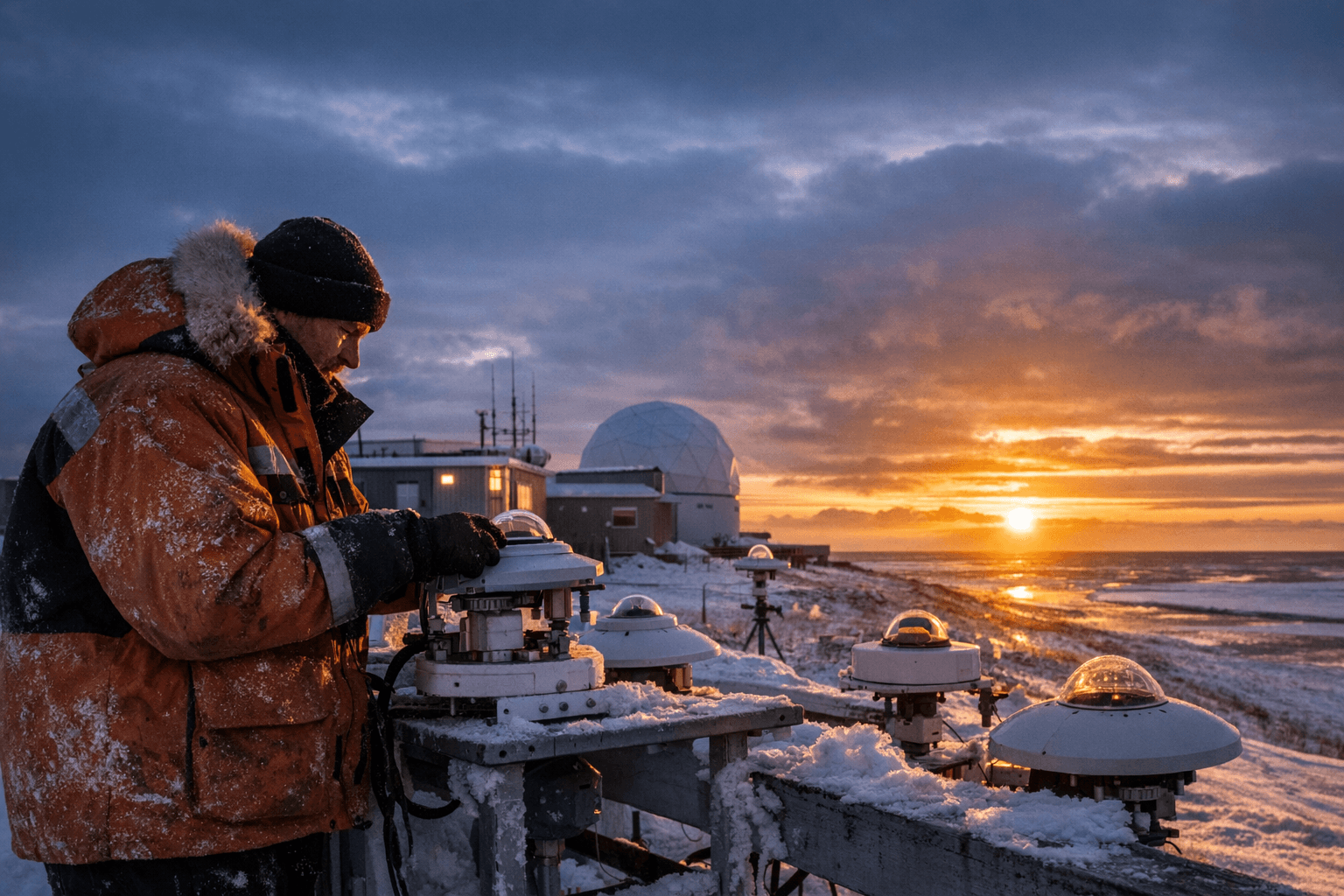
The findings underscore the value of long-term, ground-based observations in a rapidly changing Arctic. Surface radiometers and microwave instruments at the ARM site provided the continuous record that made this detection possible, highlighting the importance of sustained funding and local partnership for monitoring networks. Integrating these observed trends into regional planning and climate models can improve forecasts that communities and local governments use for infrastructure and emergency preparedness.
Researchers emphasize continued monitoring to confirm and extend the record, and to better understand links between circulation changes, atmospheric rivers, cloud processes, and surface impacts. For North Slope Borough residents, the study presents early but tangible evidence that Arctic climate dynamics are shifting in ways that matter for daily life, safety, and long-term community resilience.
Sources:
Know something we missed? Have a correction or additional information?
Submit a Tip
%3Aquality(70)%2Fcloudfront-us-east-1.images.arcpublishing.com%2Fadn%2FF7TKLQBGCZG45OATFMBSQEKIA4.jpg&w=1920&q=75)