New First Flight Checklist Brings Essential FPV Safety and Readiness
A concise First FPV Flight Checklist provides step by step pre flight and safety procedures for pilots new to first person view and drone racing, covering everything from bench checks to choosing a legal flying site. The checklist matters because it gives practical, usable actions that reduce risk at practice sessions and local races, and complements growing event activity and hardware adoption in the community.

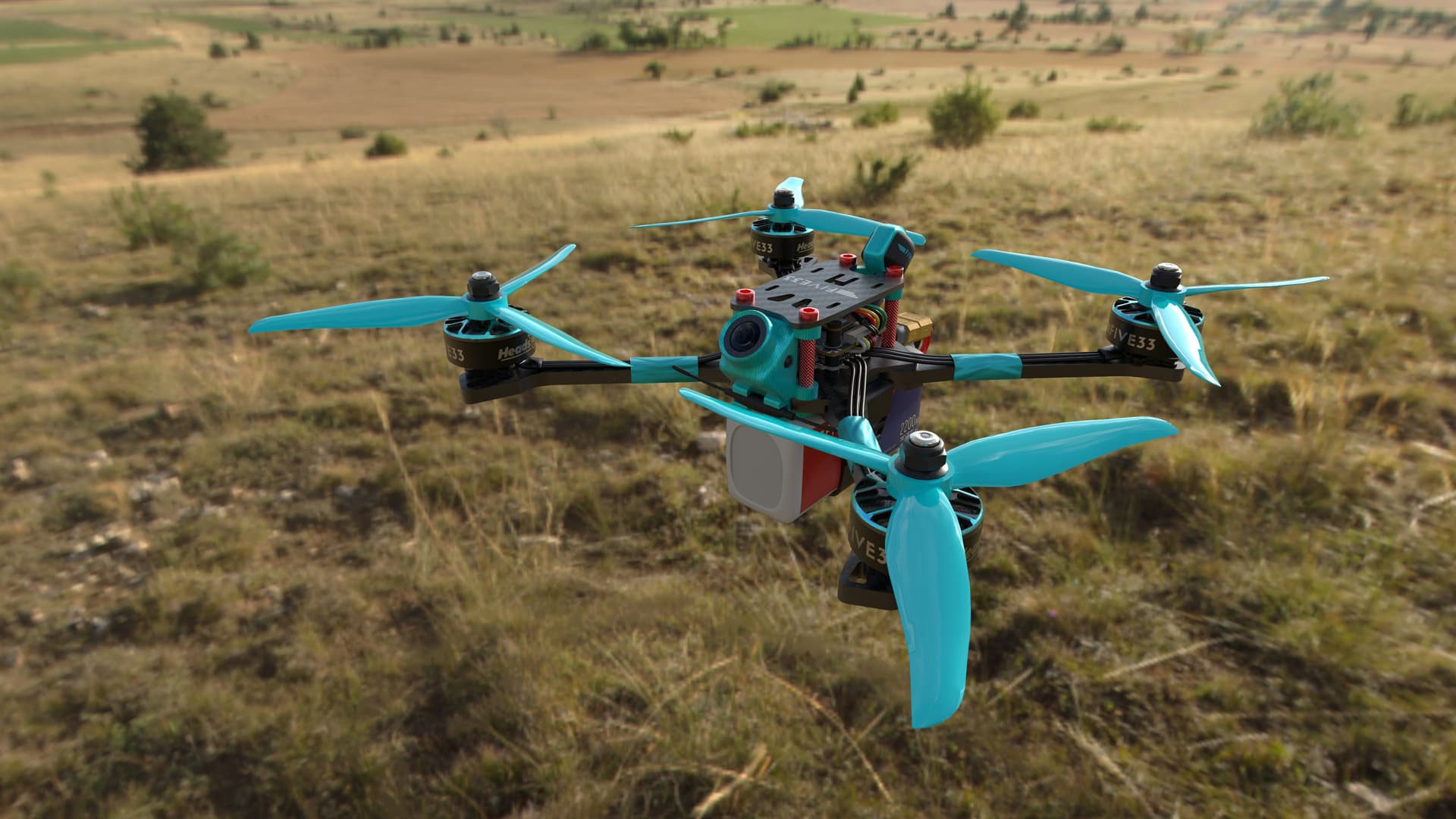
The new First FPV Flight Checklist lays out clear, actionable steps to prepare a quad for its first flights and to keep pilots safe at practice and competition. It prioritizes basic bench checks such as motor and ESC verification and transmitter arming checks without props, then moves into battery handling, propeller installation and torque, and a short on site test hover to confirm responses before committing to full throttle. These items address the most common causes of crashes and gear damage, making the list immediately useful to anyone stepping into FPV.
Battery and power procedures receive sustained attention. The checklist recommends balance charging, inspecting connectors and leads, using LiPo safety practices including charging in fireproof bags and storing batteries at recommended storage voltage. It also covers proper propeller installation and torque checks to prevent loosened props during aggressive maneuvers.
Radio and video systems get practical coverage. Verify transmitter and receiver binding, confirm camera and video transmitter channel settings, and configure a reliable failsafe so the craft behaves predictably if signal is lost. For camera setup the checklist advises conservative camera angle choices for first flights, and starting in beginner friendly flight modes to maintain stability while learning orientation and control.

Location and legal compliance are core components. Choose open fields away from people and airports, and verify local airspace restrictions using tools such as B4UFLY or other airspace services before you go. The checklist also promotes simulator practice to build muscle memory and reduce crash risk when transitioning to real hardware.
On site setup is spelled out step by step, from equipment placement and a thorough pre flight inspection to a short test hover protocol that checks trims, motor direction and control response at low altitude. Use this checklist before your first FPV session or before entering local races to streamline setup, lower risk, and focus on flying. With community events and new hardware driving more pilots to the sport, these practical readiness steps boost safety and help ensure flights end with cheers rather than repairs.
Sources:
Know something we missed? Have a correction or additional information?
Submit a Tip