New legacy cleanup records posted for Los Alamos hazardous storage sheds
Los Alamos National Laboratory added new legacy cleanup documents January 6, 2026, including notice about four hazardous waste storage sheds - residents should review for local safety and oversight implications.
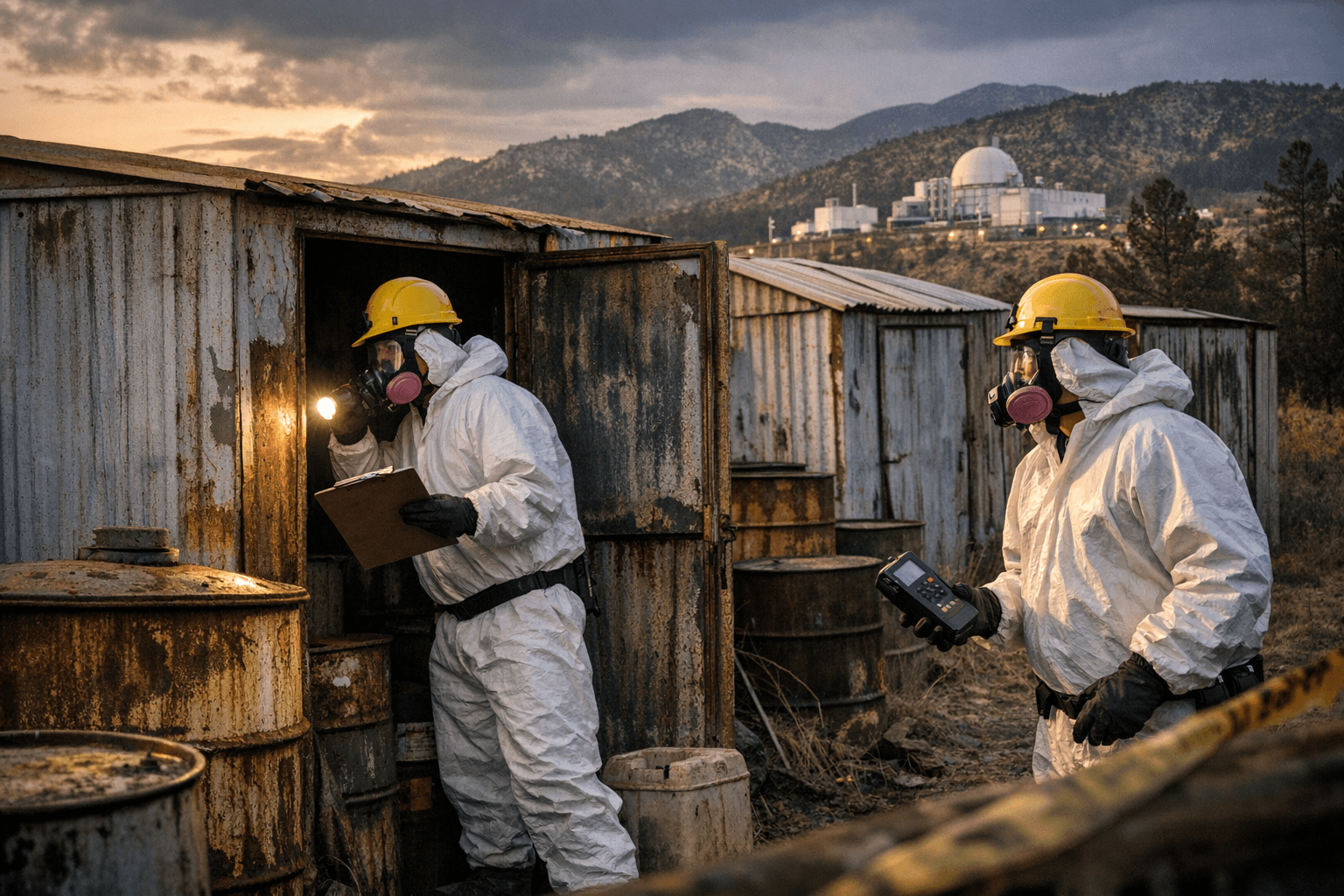
Los Alamos National Laboratory has expanded public access to legacy cleanup records by adding new documents to its Legacy Cleanup Contract Electronic Public Reading Room, a posting submitted January 6, 2026 by Carol A. Clark. Among the newly uploaded files is a notification titled Notification of Return to Original Permitted Location of Four Los Alamos National Laboratory Hazardous Waste Facility Permit Storage Sheds (144, 145, 146, and 177).
The posting indicates that all legacy cleanup documents required to be posted after April 30, 2018 are now available through the legacy cleanup reading room. Documents posted prior to April 30, 2018 remain accessible in the LANL electronic public reading room. The recent entry is presented as a short public-notice style item linking to the uploaded materials.
The specific notice about the four permit storage sheds documents a change in the permitted status or location of hazardous waste storage infrastructure. For local residents and county officials, shifts in permitted storage arrangements carry practical implications for regulatory compliance, inspections, emergency planning and environmental monitoring. Hazards associated with hazardous waste facilities are subject to state and federal permit conditions that drive inspection schedules, reporting requirements and contingency planning for nearby communities.
Transparency in legacy cleanup records matters in Los Alamos County because many long-running remediation efforts stem from decades of laboratory operations. Public reading rooms provide the pathway for residents, municipal leaders and emergency managers to monitor actions, verify permit compliance and raise questions about timelines, remedial measures and community protections. The newly posted materials give community members the primary documentation needed to track any operational changes at the identified sheds.
What to watch next: county environmental health and emergency management staff are the local points for interpreting permit changes and assessing potential impacts on public safety and preparedness. The county Board of Commissioners and local advisory bodies may request briefings or seek additional documentation from the lab and regulators to understand inspection results, controls in place and any changes to routine monitoring.
Our two cents? Take a look at the uploaded documents, bring specific questions to the next county meeting and keep an eye on inspection and permit follow-up. Public oversight matters most when neighbors read the records, ask for clarity and expect timely, documented responses from institutions that manage hazardous materials.
Sources:
Know something we missed? Have a correction or additional information?
Submit a Tip