New Mexico directs $20 million to expand rural primary care
State announced $20 million to expand rural primary care, which could help McKinley County clinics and improve access by recruiting and retaining providers.
On Jan. 8 the governor's administration announced a $20 million allocation aimed at expanding primary-care services in rural New Mexico. The investment is intended to strengthen rural health infrastructure and could directly affect McKinley County by supporting local clinics and efforts to recruit and retain primary-care providers.
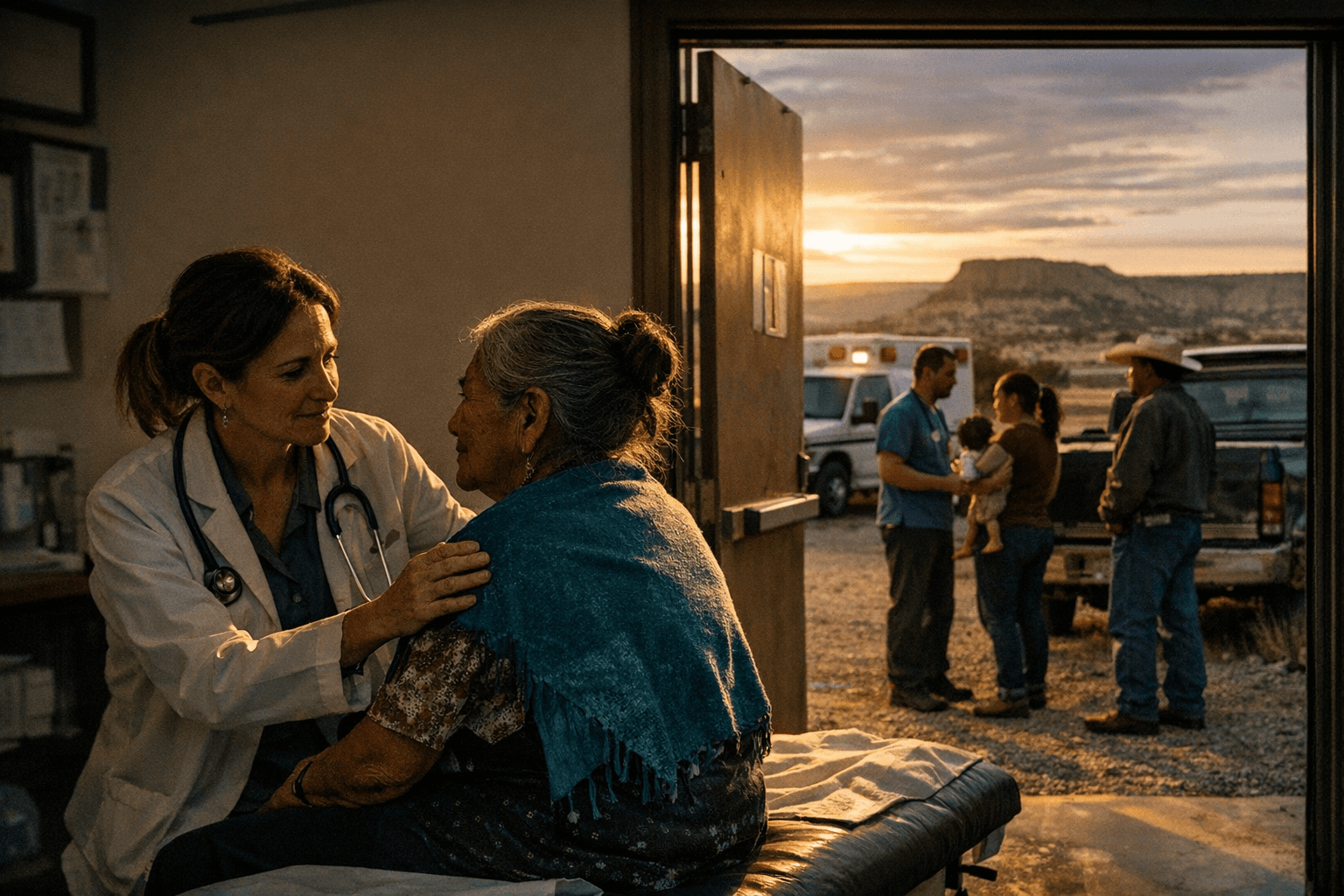
State leaders framed the funding as a targeted investment in frontline care, with an emphasis on getting more primary-care capacity into small towns and Indian Country where resources are thin. For McKinley County residents, that may translate into more staffed clinic hours, reduced travel for routine care, and better continuity for chronic conditions that require regular follow-up.
The announcement did not spell out every program detail, but the stated goals make clear priorities: shore up clinic operations, ease workforce shortages, and make it easier for residents to obtain primary care near home. Those are the building blocks for preventing avoidable emergency department visits and managing conditions such as diabetes, hypertension, and behavioral health needs that are common in rural communities.
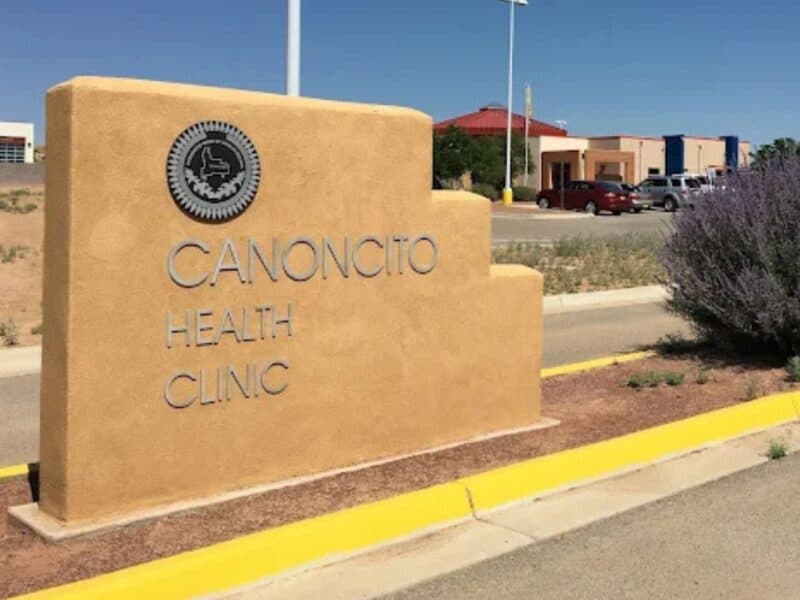
Local clinics and health centers in McKinley County stand to be the practical partners in converting this allocation into patient benefits. Investment could help clinics compete for clinicians, offer retention incentives, expand nursing and care-coordinator roles, or upgrade facilities so they can serve more patients. For county residents, the nearest tangible signs of the funding will be new hiring announcements, longer clinic hours, or added services in town rather than having to travel to larger hospitals elsewhere.
There are also system-level implications. Strengthening primary-care capacity can reduce strain on hospitals and emergency services, improve public-health responsiveness, and create more stable jobs in the health sector. For a rural county, those shifts contribute to local economic resilience as well as health outcomes.
Implementation will determine how quickly McKinley County feels the effects. County leaders, clinic directors, and community health organizations will be key to applying for and deploying funds, shaping programs to local needs, and measuring whether investments translate into better access and outcomes.
Our two cents? Track announcements from your clinic or county health office and ask how this funding might affect services near you. If you or a family member depend on local primary care, those are the conversations that will turn state dollars into real, on-the-ground gains.
Sources:
Know something we missed? Have a correction or additional information?
Submit a Tip