New Mexico seeks $50 million to clean abandoned uranium and polluted sites
A state senator prefiled a bill seeking $50 million to clean abandoned uranium mines and other polluted sites, aiming to protect local water, soil and public health.
A state senator prefiled legislation asking for a one-time $50 million appropriation to clean up abandoned uranium mines and other contaminated sites on state land, a move that could reach communities across San Juan County and nearby tribal lands. The proposal comes as state environmental agencies continue work on legacy pollution but say federal funds alone are not enough to address the full scope of contamination.
Sen. Jeff Steinborn framed the problem as a long-running failure of oversight and corporate accountability, saying lax rules and impermanent companies left New Mexicans "holding the bag." He characterized uranium mines and other polluted areas as "ticking time bombs" for the state's water and soil, and warned that exposure risks persist for people living near former mining operations.
State analysis has underscored that danger. In a presentation last year, the New Mexico Environment Department found residents around abandoned uranium mines could face the equivalent of more than a decade of radiation exposure in a single year. That finding helped push the Legislature in 2022 to pass the Uranium Mine Cleanup Act, which empowered state agencies to plan for and address environmental risks previously handled at the federal level.
Lawmakers and environmental advocates note the state has already moved money into cleanup efforts. During the 2025 session the Legislature approved $20 million for contamination remediation; agencies later allocated $12 million to clean four uranium mine sites, $6 million to address two areas contaminated with petroleum, and $2 million to hire attorneys to trace past owners who might bear responsibility.
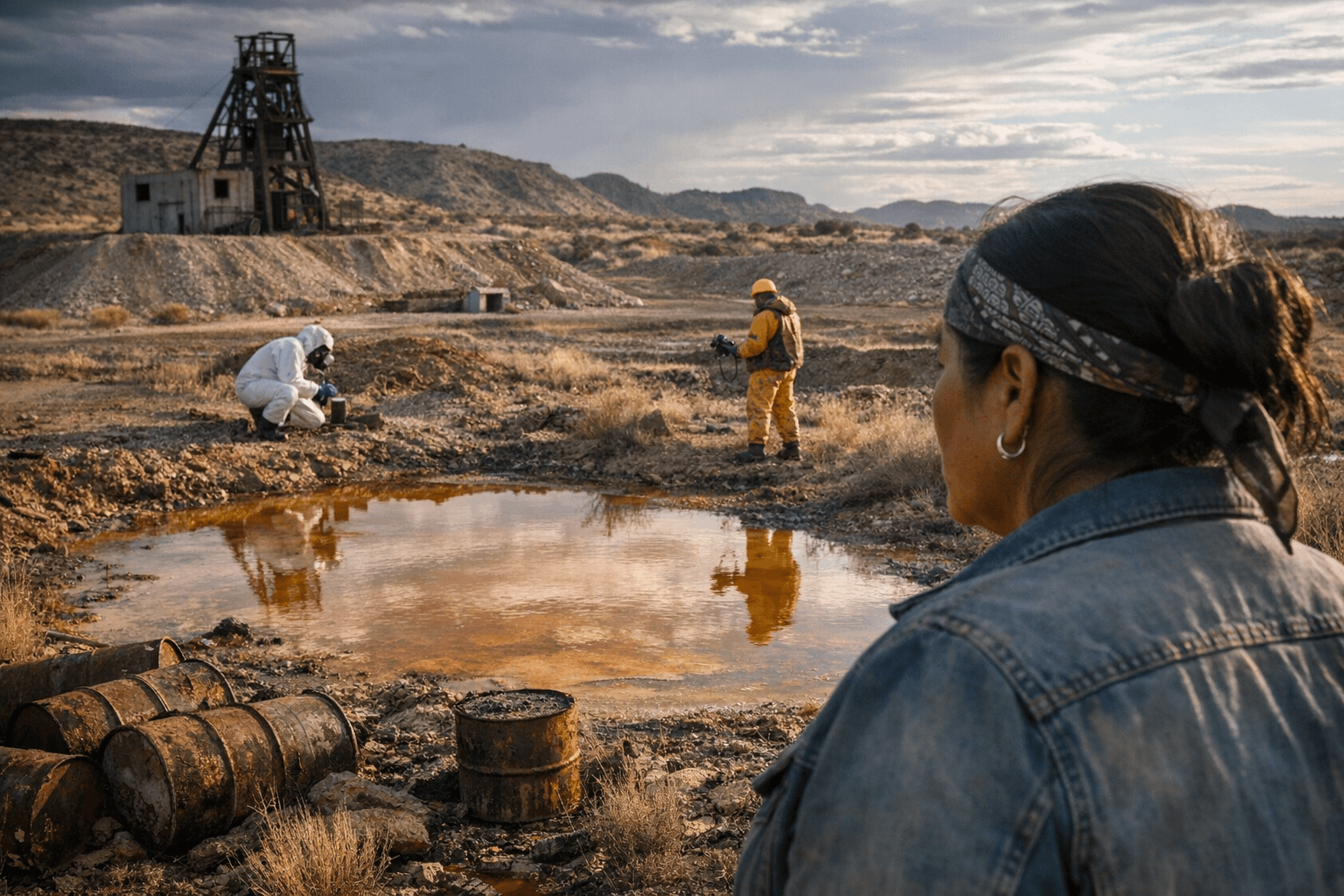
Steinborn said direct state intervention is nascent but necessary. "People are being exposed to environmental threats that they shouldn’t have to live with, and it has been this way for decades," he said, adding that cleanup is also a matter of environmental justice for local and Indigenous communities. The photo of a radioactive warning marker near Ambrosia Lake underscores the visual and physical legacy of mining that still dots the landscape.
For San Juan County residents, the bill signals a potentially significant expansion of state cleanup resources in coming months. Beyond immediate health risks from contaminated soil and groundwater, legacy pollution affects ranching, recreational access, and cultural sites. Local governments and tribal authorities that share waterways with impacted sites stand to see benefits if funding is allocated and targeted effectively.
The takeaway? Watch the 30-day legislative session closely, because state funding decisions this month will determine how fast and broadly cleanup moves forward. If you live near former mine sites or older industrial properties, consider testing private wells and raising the issue with your lawmakers to make sure local priorities are included in any final appropriation. Our two cents? Push for transparent cleanup plans and timelines so the state turns those ticking time bombs into managed, remediated land.
Sources:
Know something we missed? Have a correction or additional information?
Submit a Tip