New SNAP Work Rules Take Effect - What Hidalgo County Residents Need to Know
New federal SNAP work requirements that took effect Jan. 1, 2026 will begin to affect New Mexicans when applications or renewals are processed after the new year. The New Mexico Health Care Authority estimates roughly 55,000 people statewide could be affected, a change that may heighten food insecurity and increase demand for local social services in Hidalgo County.
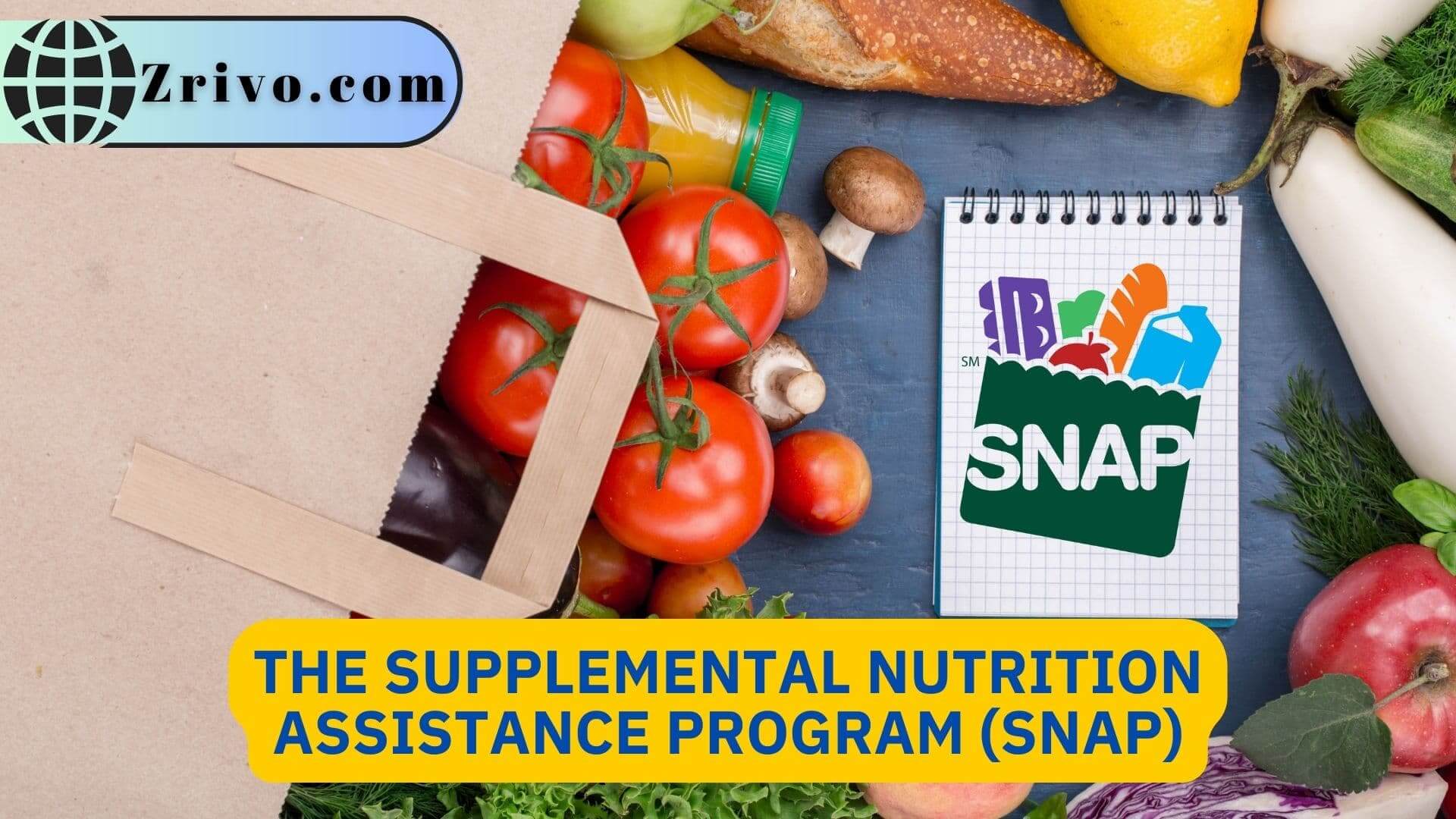
Federal changes to Supplemental Nutrition Assistance Program eligibility took effect on Jan. 1, 2026, and are now applying to New Mexicans who apply for or renew benefits. The New Mexico Health Care Authority has advised that approximately 55,000 residents across the state could see their eligibility affected as case reviews proceed under the new rules.
Under the updated policy, able-bodied adults aged 18-64, including those aged 55-64, will generally need to work, volunteer, or participate in approved job training for about 80 hours per month to maintain SNAP eligibility. The rule alters earlier practices by removing some previously automatic exemptions; veterans, people experiencing homelessness, and former foster youth are no longer guaranteed automatic exclusion from the work requirement. At the same time, the rule preserves several specific exceptions: people under 18 or 65 and older, recipients of Supplemental Security Income, people with disabilities that prevent work, caregivers of young children or incapacitated household members, those enrolled at least part-time in school or training, pregnant people, and residents of certain tribal areas will generally be exempt.

The change takes effect at the point of enrollment or renewal, meaning current SNAP participants who do not submit renewal paperwork immediately will not face the new requirement until their next application or recertification is processed. State HCA offices and the online reporting portal are listed as points of contact for residents who need assistance understanding requirements or reporting work and training hours.
For Hidalgo County, where many families rely on SNAP to meet basic needs, the new rule could have immediate consequences. Local social-service providers and community organizations are likely to see increased requests for case management, job-training placement, transportation assistance, and help navigating paperwork and reporting deadlines. The removal of automatic exemptions for certain populations raises concerns about disproportionate effects on veterans, people experiencing houselessness, and young people who aged out of foster care, groups that already face structural barriers to stable employment and housing.
Policy experts and advocates have noted that shifting work requirements onto vulnerable populations can strain community resources and increase short-term food insecurity. For residents who may be affected, it will be important to contact state HCA offices or use the online portal promptly to learn whether exemptions apply or to document participation in approved activities. Local agencies are preparing to help clients meet reporting expectations and to connect people to training programs that qualify under the new rules.
As implementation continues, Hidalgo County officials and nonprofits will play a key role in monitoring impacts, assisting residents through renewals, and advocating for supports that reduce the risk of hunger among those newly subject to the work requirement.
Sources:
Know something we missed? Have a correction or additional information?
Submit a Tip